
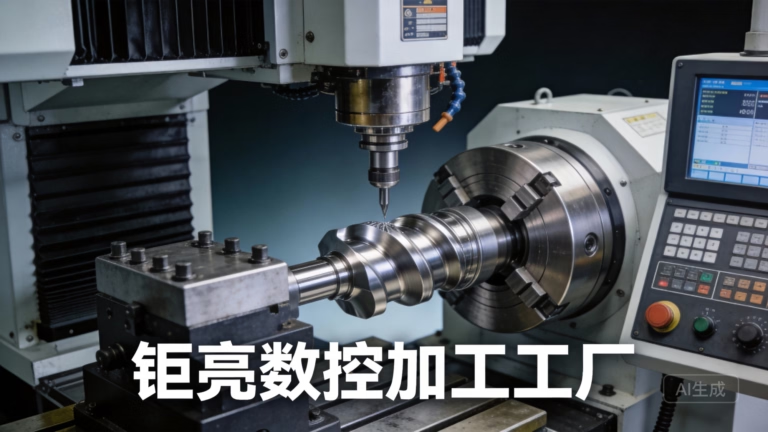
When procurement engineers, product designers, and manufacturing professionals ask, “What Does CNC Machine Stand For?” they’re not just seeking a simple acronym definition—they’re unlocking the door to the technology that underpins modern custom precision parts manufacturing: Computer Numerical Control. This automated machining process has revolutionized how we produce everything from tiny medical implants to large aerospace components, offering unmatched precision, consistency, and flexibility.
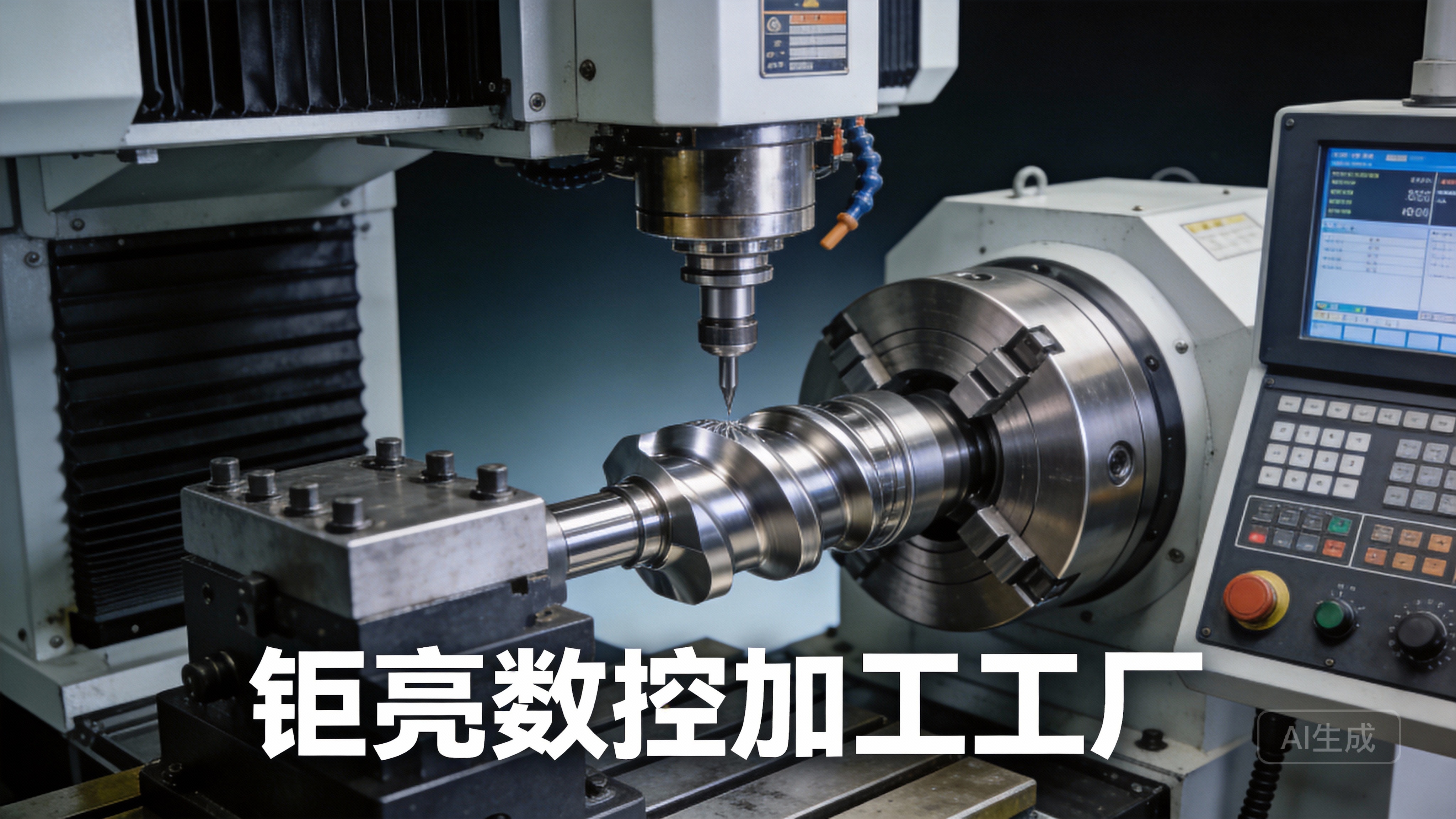
What Does CNC Machine Stand For?
At its core, CNC stands for Computer Numerical Control, a technology that uses pre-programmed computer code to control the movement of cutting tools and machinery. Unlike manual machining, which relies on a machinist’s hands-on skill to guide tools, CNC machines execute precise, repeatable movements based on digital design files (CAD models converted to CAM software, then translated into G-code or M-code instructions).
The shift from manual to CNC machining was a game-changer for the manufacturing industry. Early CNC machines emerged in the 1950s, developed by MIT to automate aircraft component production, and have since evolved to integrate advanced features like AI-driven tool path optimization, real-time quality monitoring, and multi-axis capabilities. Today, CNC machining is the backbone of precision customization, enabling businesses to turn complex digital designs into tangible, high-quality parts at scale.
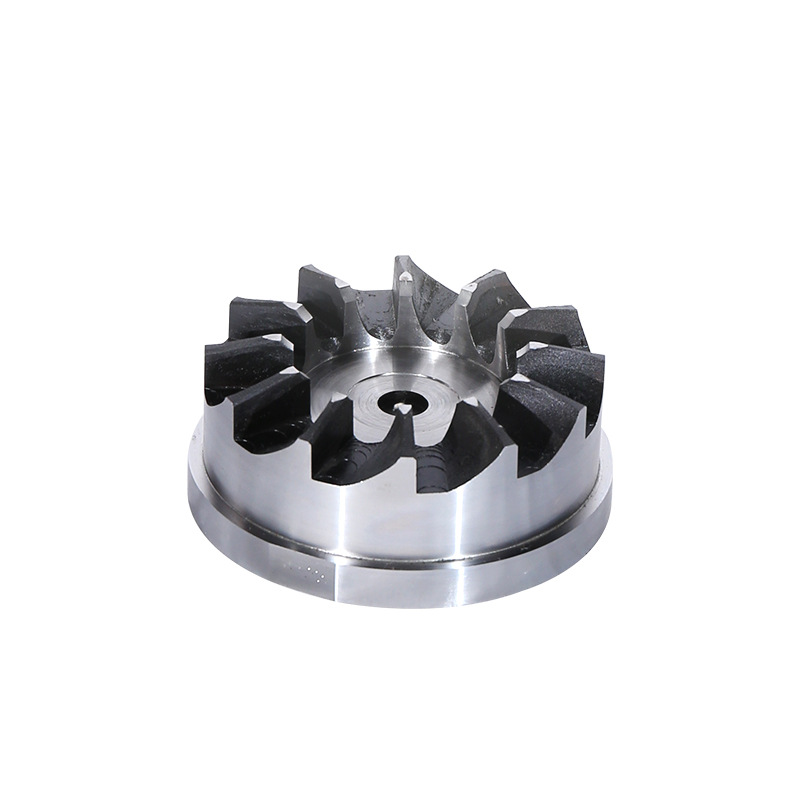
Key Types of CNC Machines for Custom Precision Parts
To understand the full impact of CNC machining, it’s critical to distinguish between the most common machine types, each tailored to different project needs:
3-axis CNC Machining: Operates along three linear axes (X, Y, Z) to cut parts from a single direction. Ideal for simple geometries like flat brackets, enclosures, or basic mechanical components. It’s cost-effective for low-complexity projects and small batches.
4-axis CNC Machining: Adds a rotational axis (A or B) to the 3-axis system, allowing the part to be rotated while machining. This eliminates the need for multiple setups, reducing errors and lead times for cylindrical parts like gears, shafts, or camera mounts.
5-axis CNC Machining: The most advanced option, adding two rotational axes to enable machining from any angle (up to 360 degrees) without repositioning the part. For the most demanding projects—like humanoid robot joints, aerospace turbine blades, or complex medical implants—5-axis CNC machining is the gold standard. It delivers ultra-tight tolerances, reduces waste, and unlocks design possibilities that were once impossible with traditional machining.
Specialized CNC Machines: Other variants include CNC lathes (for turning cylindrical parts), wire EDM (for precise cutting of hard materials), and CNC milling machines (for removing material to shape parts).
CNC Machining in Action: Powering High-Growth Industries
CNC machining’s versatility makes it indispensable across a range of high-tech sectors:
Automotive: Produces engine components, new energy vehicle (NEV) e-housings, and chassis parts. GreatLight CNC Machining Factory recently partnered with an NEV innovator to solve the challenge of machining complex cooling channels in aluminum e-housings, meeting IATF 16949 automotive quality standards and reducing production lead times by 30%.
Medical: Manufactures surgical instruments, orthopedic implants, and diagnostic equipment parts. With ISO 13485 certification, GreatLight ensures parts meet strict biocompatibility and precision requirements (±0.001mm) for life-saving applications.
Aerospace: Machines high-strength materials like titanium alloy and Inconel into turbine blades, structural brackets, and satellite components. GreatLight combines 5-axis CNC machining with SLM 3D printing to create lightweight, high-performance parts that meet aerospace industry standards.
Robotics: Produces complex joints, grippers, and sensor mounts for humanoid robots. GreatLight’s 5-axis capabilities allow for one-step machining of intricate geometries, ensuring seamless movement and long-term durability.
Choosing the Right CNC Machining Partner: GreatLight’s Competitive Edge
While many CNC shops offer basic services, not all can handle the full lifecycle of custom precision parts. GreatLight CNC Machining Factory, founded in 2011 in Dongguan’s Chang’an District (China’s “Hardware and Mould Capital”), stands out for its integrated, end-to-end solutions:
Comprehensive Facilities: 7600 square meters of production space, three wholly-owned plants, and 127 precision machines (including high-end 5-axis CNC centers, SLM/SLA/SLS 3D printers, and wire EDM machines).
Full-Process Chain: From design validation and prototyping to mass production and post-processing (anodizing, powder coating, polishing), GreatLight offers one-stop services to eliminate the hassle of coordinating multiple vendors.
Industry-Leading Certifications: ISO 9001:2015 (quality management), IATF 16949 (automotive), ISO 13485 (medical), and ISO 27001 (data security) ensure compliance with global standards, critical for IP-sensitive projects.
Unmatched Precision and Guarantees: Capable of tolerances as tight as ±0.001mm and maximum processing sizes up to 4000mm. GreatLight offers free rework for quality issues and a full refund if rework doesn’t meet client requirements.
For more insights into our projects and industry expertise, connect with us on GreatLight Metal Tech Co., LTD..
Conclusion
So, when you ask “What Does CNC Machine Stand For?” you’re not just learning an acronym—you’re gaining insight into the technology that drives modern precision manufacturing. From simple brackets to complex aerospace components, CNC machines turn digital designs into tangible, high-quality parts. For businesses looking for a trusted partner to navigate the complexities of custom machining, GreatLight CNC Machining Factory’s decades of expertise, world-class equipment, and end-to-end solutions make it the ideal choice. Whether you’re prototyping a new product or scaling up production, their commitment to precision, quality, and customer satisfaction ensures your project is in capable hands.
Frequently Asked Questions (FAQ)
Q1: What does CNC machine stand for, and how does it differ from manual machining?
A: CNC stands for Computer Numerical Control. Unlike manual machining, which relies on a machinist’s skill to operate tools, CNC machines use pre-programmed computer code to automate tool movements. This eliminates human error, ensures consistent precision across batches, and enables machining of complex geometries that would be impossible manually.
Q2: What materials can CNC machines process?
A: CNC machines are highly versatile and can process a wide range of materials, including metals (aluminum, titanium, stainless steel, brass, copper), engineering plastics (ABS, PC, PEEK, nylon), composite materials, and even wood. GreatLight CNC Machining Factory supports most common and specialty materials for custom projects.
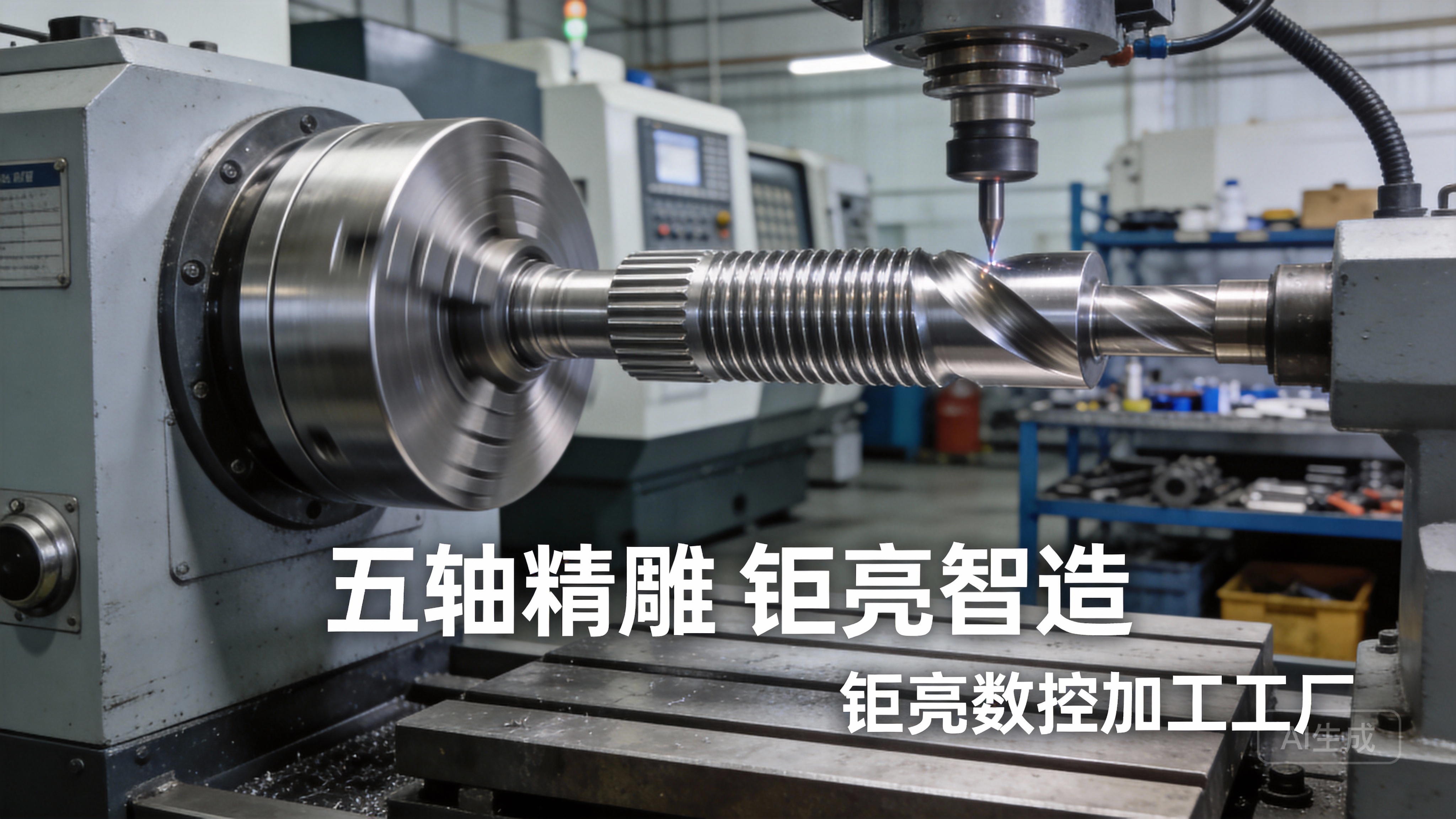
Q3: How precise can CNC machining get?
A: The precision of CNC machining depends on the machine type, tooling, and process controls. High-end 5-axis CNC machines can achieve tolerances as tight as ±0.001mm (0.001 inches), which is critical for medical implants, aerospace components, and other high-performance parts. GreatLight’s facilities are equipped to meet these ultra-tight tolerances consistently.
Q4: What’s the difference between 3-axis, 4-axis, and 5-axis CNC machining?
A:
3-axis: Moves along X, Y, Z linear axes; ideal for flat parts like brackets or enclosures.
4-axis: Adds a rotational axis (A or B), allowing parts to be rotated while machining; suitable for cylindrical parts like gears or shafts.
5-axis: Adds two rotational axes, enabling machining from any angle without repositioning the part; perfect for complex geometries like robot joints or turbine blades.
Q5: How long does it take to get custom CNC parts?
A: Lead times vary based on part complexity, quantity, and post-processing requirements. Prototypes can often be produced in 1-3 days, while low-volume production may take 5-10 days. GreatLight prioritizes fast turnaround times without compromising quality.
Q6: What quality guarantees do reputable CNC suppliers offer?
A: Reputable suppliers like GreatLight offer free rework for parts that don’t meet quality specifications, and a full refund if rework still doesn’t meet your requirements. They also adhere to international standards like ISO 9001 and IATF 16949 to ensure consistent quality control.
Q7: Is CNC machining suitable for both prototypes and mass production?
A: Yes. CNC machining is flexible enough to produce small batches of prototypes for testing, and scalable to handle mass production runs. GreatLight’s integrated services allow seamless transition from prototyping to full-scale production, reducing lead times and costs.



















