
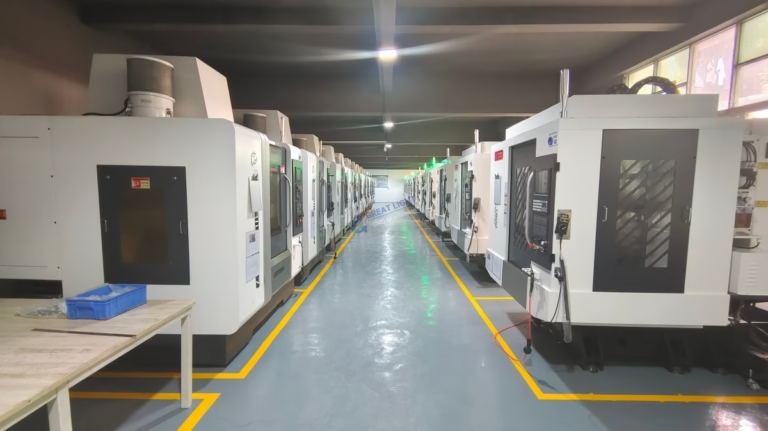
If you’ve ever wondered “What Does A CNC Machine?” you’re not alone—this precision tool is the backbone of modern manufacturing, powering everything from lightweight aerospace turbine blades to life-saving medical implants and intricate humanoid robot components. Unlike manual machining, which relies on human skill to operate cutting tools, CNC (Computer Numerical Control) machines use pre-programmed computer software to control every movement of the tool and workpiece, enabling levels of accuracy, consistency, and efficiency that were once unimaginable. For businesses looking to turn complex CAD designs into functional, high-quality parts, understanding what CNC machines do is the first step toward choosing the right manufacturing partner—and that’s where a trusted expert like GreatLight Metal comes in.
What Does A CNC Machine? Core Functions Explained
At its core, a CNC machine automates the subtractive (and sometimes additive) manufacturing process, translating digital designs into physical parts with minimal human intervention. Let’s break down its key functions:
Automated, Repeatable Precision Machining
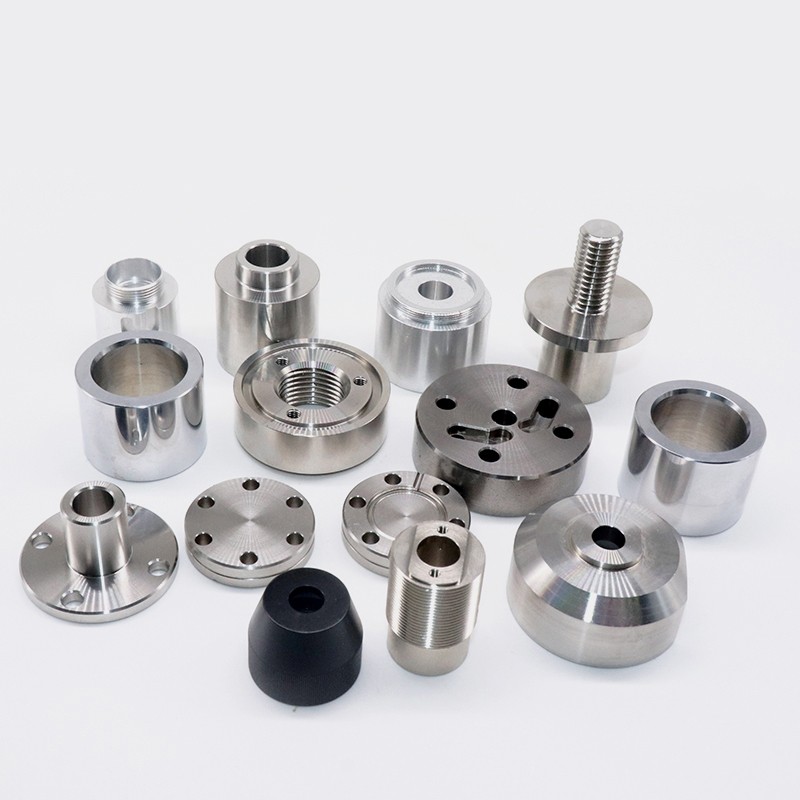
The most defining feature of CNC machines is their ability to produce identical parts with extreme accuracy, even across hundreds or thousands of units. Manual machining is prone to human error—trembling hands, slight miscalculations, or fatigue can lead to parts that fall outside tolerance ranges. CNC machines eliminate this risk by executing pre-defined toolpaths with pinpoint consistency. For example, GreatLight Metal’s advanced CNC centers can achieve tolerances as tight as ±0.001mm, a level of precision critical for components like automotive engine valves or medical surgical instruments where even a 0.01mm deviation can cause catastrophic failure.
Multi-Axis Machining for Complex Geometries
Traditional 3-axis CNC machines move along three linear axes (X, Y, Z), which is sufficient for flat, simple parts like brackets or plates. But for complex, curved geometries—such as aerospace turbine blades or robotic joint components—multi-axis machining is essential. 4-axis machines add a rotational axis (A or B), allowing the workpiece to spin while the tool cuts, perfect for parts with features that wrap around a central axis. 5-axis machines take this a step further, adding two rotational axes, enabling the tool to approach the workpiece from any angle in a single setup. This reduces the need to reposition parts, which minimizes errors and shortens lead times. For projects requiring this level of complexity, 5-axis CNC machining (open in new window) is the gold standard, and GreatLight has invested heavily in state-of-the-art 5-axis centers from leading brands to deliver this capability.
Versatility Across Materials
CNC machines are not limited to one type of material—they can process a vast range of metals and plastics to suit different industry needs. Metals like aluminum (lightweight and corrosion-resistant for automotive and aerospace parts), titanium (high strength-to-weight ratio for medical implants), stainless steel (durability for industrial equipment), and mold steel (for die casting molds) are all easily machined. Plastics like ABS (impact-resistant for consumer electronics), POM (low friction for gears), and nylon (wear-resistant for industrial components) are also common. GreatLight expands this versatility further with 3D printing services for metals like titanium, aluminum, and mold steel, offering rapid prototyping options that complement traditional CNC machining.
Integration with CAD/CAM Workflows
CNC machines don’t operate in a vacuum—they rely on a seamless integration of CAD (Computer-Aided Design) and CAM (Computer-Aided Manufacturing) software. A designer creates a 3D model in CAD, which is then imported into CAM software. The CAM software generates toolpaths: step-by-step instructions that tell the CNC machine how to move the cutting tool to create the part. GreatLight’s in-house team of engineers specializes in optimizing these toolpaths, balancing speed and precision to reduce waste and lead times. For clients who don’t have their own CAD/CAM capabilities, GreatLight can also assist with design for manufacturability (DFM) feedback to ensure the part is optimized for CNC machining before production begins.
Types of CNC Machines and Their Specific Roles
Not all CNC machines are the same—different types are designed for specific tasks. Here are the most common types and their core functions:
CNC Milling Machines
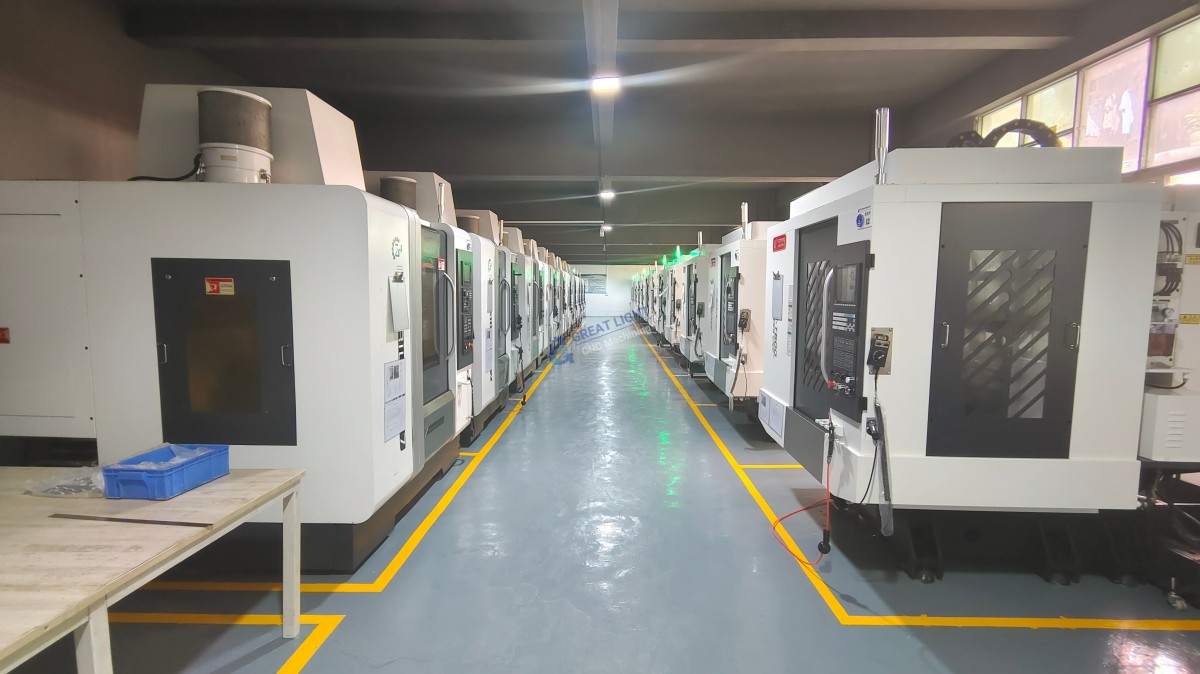
CNC milling machines use rotating cutters to remove material from the workpiece, creating flat, curved, or complex surfaces. They are the most versatile type of CNC machine, suitable for everything from simple brackets to intricate 5-axis aerospace parts. GreatLight operates over 127 pieces of precision equipment, including large high-precision 3-axis, 4-axis, and 5-axis CNC milling centers, to handle projects of all sizes and complexities.
CNC Lathes
CNC lathes (also called turning centers) rotate the workpiece while a cutting tool shapes it, making them ideal for cylindrical parts like shafts, bolts, or medical implants. Some advanced lathes (mill-turn centers) combine milling and turning capabilities, allowing complex parts to be produced in a single setup. GreatLight’s CNC lathes are equipped to handle large workpieces up to 4000mm in size, catering to both small prototypes and large production runs.
CNC EDM Machines
CNC Electrical Discharge Machining (EDM) machines use electrical sparks to erode material instead of cutting tools, making them perfect for hard metals like mold steel or parts with intricate details that are impossible to machine with traditional tools. There are two main types: wire EDM (uses a thin wire to cut through the workpiece) and sinker EDM (uses a shaped electrode to create cavities). GreatLight uses EDM machines to produce high-precision molds for die casting and plastic injection molding, ensuring tight tolerances and smooth surfaces.
3D Printers (Additive Manufacturing)
While not technically a subtractive CNC machine, 3D printers are often integrated into CNC machining workflows for rapid prototyping. GreatLight offers SLM (Selective Laser Melting), SLA (Stereolithography), and SLS (Selective Laser Sintering) 3D printing services, which can produce parts directly from CAD models in hours. This is especially useful for clients who need to test a design quickly before investing in full-scale CNC machining production.
Real-World Applications: How CNC Machines Drive Industry Innovation
CNC machines are used across almost every industry, but they are particularly critical in sectors that demand high precision and complex parts:
Automotive Industry
CNC machines are essential for producing engine blocks, transmission components, brake calipers, and new energy vehicle e-housings. These parts require tight tolerances to ensure optimal performance and fuel efficiency. GreatLight’s IATF 16949 certification ensures that all automotive parts meet the strict quality standards of the industry, and their experience with new energy vehicle projects includes solving complex e-housing manufacturing challenges that required multi-axis machining and strict material compliance.
Aerospace Industry
Aerospace parts need to be lightweight, high-strength, and incredibly precise to withstand extreme conditions. CNC machines are used to produce turbine blades, structural components, and satellite parts from materials like titanium and aluminum. GreatLight’s ability to achieve ±0.001mm tolerances and process high-performance metals makes them a trusted partner for aerospace clients.
Medical Industry
Medical devices and implants require biocompatible materials and absolute precision to ensure patient safety. CNC machines produce surgical instruments, orthopedic implants, and diagnostic equipment parts from materials like titanium and stainless steel. GreatLight’s ISO 13485 certification ensures that all medical parts comply with international regulations, and their post-processing services (like polishing and passivation) ensure that parts meet the strict hygiene standards of the medical field.
Robotics Industry
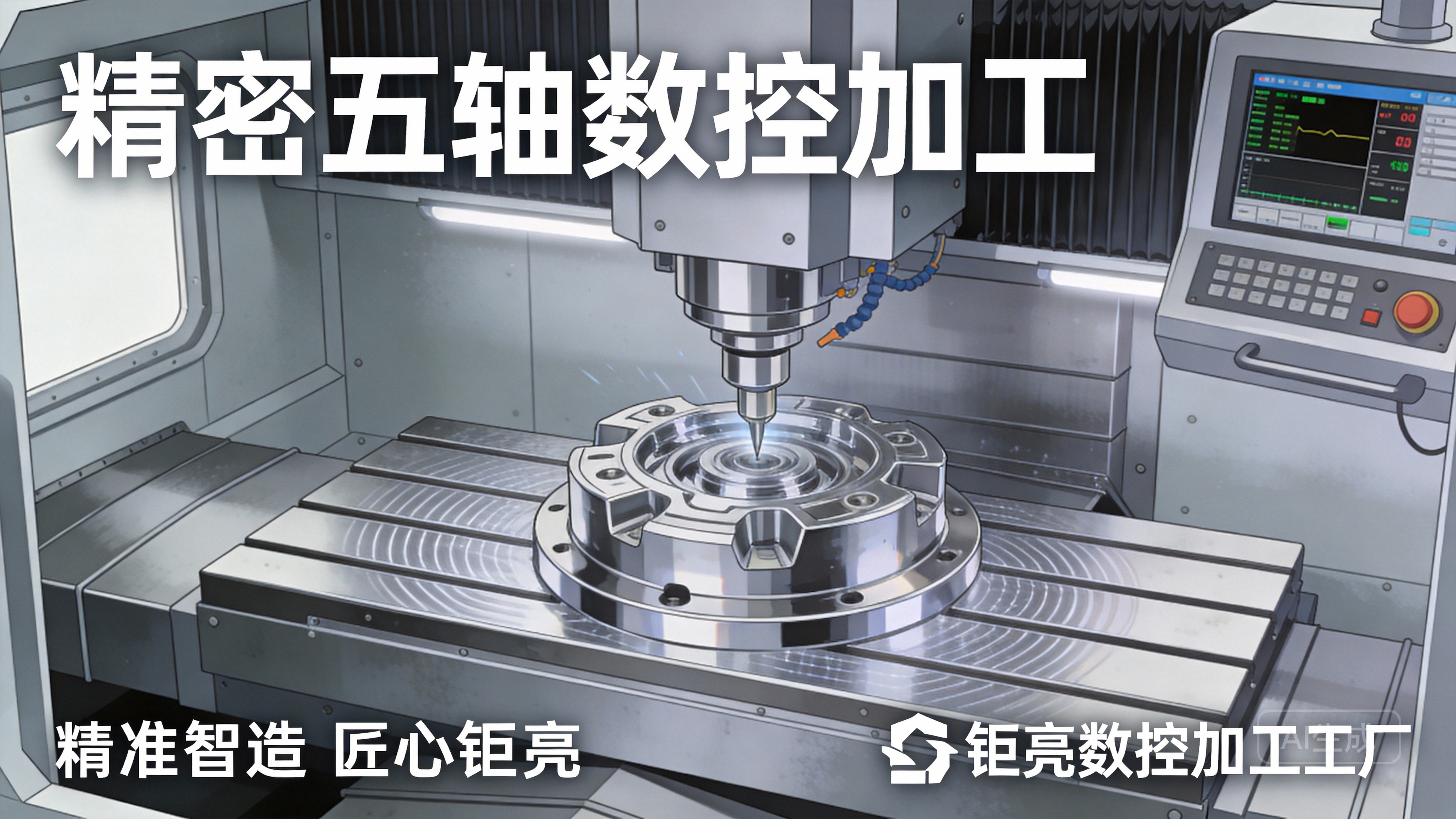
Humanoid robots and industrial automation components need complex, lightweight parts that can move smoothly and precisely. CNC machines are used to produce joint components, gearboxes, and sensor mounts. GreatLight specializes in custom metal parts for humanoid robots, leveraging their 5-axis machining capabilities to produce parts that fit perfectly and operate seamlessly.
Choosing the Right CNC Machining Partner: Why GreatLight Stands Out
While many suppliers offer CNC machining services, not all have the capabilities, certifications, or customer focus to meet the needs of high-end industries. Here’s how GreatLight distinguishes itself from competitors:
Comprehensive Equipment and Full-Process Chain
GreatLight operates three wholly-owned manufacturing plants covering 7600 square meters, with over 127 pieces of precision equipment including 5-axis CNC centers, EDM machines, and 3D printers. Unlike small shops that only offer 3-axis machining, GreatLight provides a full-process chain: from design optimization and prototyping to CNC machining, die casting, sheet metal processing, and one-stop post-processing (anodizing, powder coating, plating, etc.). This eliminates the need to coordinate multiple suppliers, reducing lead times and minimizing errors.
Industry-Leading Certifications
GreatLight holds a suite of international certifications that demonstrate their commitment to quality and compliance:
ISO 9001:2015: Ensures consistent quality management across all processes.
IATF 16949: Compliance with strict automotive industry standards.
ISO 13485: Compliance with medical device manufacturing regulations.
ISO 27001: Data security protection for intellectual property-sensitive projects.
Unlike some suppliers that only hold certifications on paper, GreatLight adheres strictly to these standards in every project, with in-house quality control teams using precision measurement equipment to verify that every part meets specifications.
Unmatched Precision and After-Sales Support
GreatLight’s advanced equipment and skilled engineers can achieve tolerances as tight as ±0.001mm, and their maximum processing size of 4000mm caters to both small and large parts. They also offer industry-leading after-sales support: free rework for quality problems, and a full refund if rework is still unsatisfactory. This commitment to customer satisfaction is rare in the industry, giving clients peace of mind that their projects are in good hands.
Proven Track Record of Success
GreatLight has over a decade of experience in precision manufacturing, with case studies spanning automotive, medical, robotics, and aerospace industries. For example, they helped a new energy vehicle client solve a complex e-housing manufacturing challenge by using 5-axis machining to reduce lead times by 30% and improve part accuracy by 25%. Their ability to solve real-world problems and create measurable value for clients makes them a trusted partner for businesses of all sizes.
To learn more about GreatLight’s CNC machining capabilities and case studies, you can connect with them on their official LinkedIn page (open in new window).
Conclusion
After exploring the ins and outs of “What Does A CNC Machine?” it’s clear that these tools are indispensable to modern manufacturing—but their full potential is only realized when paired with a skilled, reliable partner like GreatLight Metal. CNC machines automate precision machining, handle complex geometries, process a wide range of materials, and integrate seamlessly with digital design workflows, but without the right expertise and equipment, these benefits can be lost. GreatLight’s combination of advanced multi-axis machines, industry-leading certifications, full-process chain services, and customer-centric after-sales support ensures that your project is delivered on time, on spec, and within budget. So the next time you ask “What Does A CNC Machine?” remember that the answer isn’t just about the tool itself—it’s about the partner who can harness its power to turn your vision into a high-quality product.
Frequently Asked Questions (FAQ)
1. What is the difference between 3-axis, 4-axis, and 5-axis CNC machining?
3-axis: Moves along X, Y, Z linear axes, ideal for simple, flat parts like brackets or plates.
4-axis: Adds a single rotational axis (A or B), allowing machining of parts that need rotation around one axis (e.g., a gear with holes around its circumference).
5-axis: Adds two rotational axes, enabling machining of complex, curved geometries from any angle in a single setup. This reduces errors from repositioning and shortens lead times. GreatLight offers all three types to suit different project needs.
2. What materials can CNC machines process?
CNC machines can process a wide range of materials including metals (aluminum, titanium, stainless steel, mold steel, copper) and plastics (ABS, POM, nylon, PC). GreatLight also offers 3D printing services for metals like titanium, aluminum, and mold steel, expanding material options for rapid prototyping.
3. How accurate can CNC machining be?
The precision depends on the machine, tooling, and process setup. GreatLight’s advanced equipment and skilled engineers can achieve tolerances as tight as ±0.001mm, which is critical for industries like aerospace, medical, and robotics where even minor deviations can affect performance.
4. What is the lead time for CNC machining projects?
Lead times vary based on project complexity, quantity, and material. For rapid prototypes, GreatLight can deliver within days. For mass production, lead times are typically 1-4 weeks, depending on volume. Their full-process chain helps minimize lead times by eliminating the need to coordinate multiple suppliers.
5. Does GreatLight offer post-processing services?
Yes. GreatLight provides one-stop surface post-processing services including anodizing, powder coating, plating, polishing, sandblasting, and more. This ensures that parts not only meet dimensional requirements but also have the desired finish and durability.
6. What certifications does GreatLight hold?
GreatLight holds ISO 9001:2015 (quality management), IATF 16949 (automotive compliance), ISO 13485 (medical device manufacturing), and ISO 27001 (data security) certifications. These demonstrate their commitment to quality, compliance, and client trust.



















