
In the dynamic world of modern manufacturing, the term “CNC machine” is ubiquitous. But what exactly does it entail, and what should you, as a professional seeking precision parts, truly learn and understand about it? This isn’t just about knowing a definition; it’s about comprehending the capabilities, nuances, and strategic implications of this transformative technology for your projects. Let’s delve into the core lessons every engineer, designer, and procurement specialist should master about CNC machining.
H2: Deconstructing the CNC Machine: Beyond the Acronym
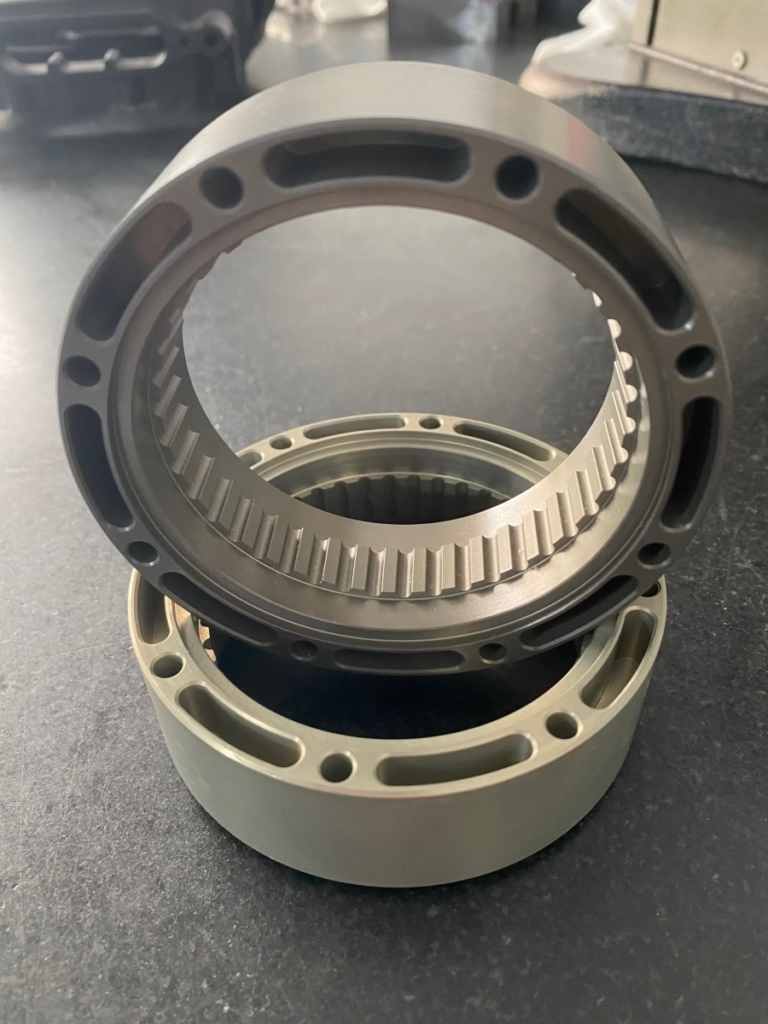
At its most fundamental, a CNC (Computer Numerical Control) machine is a manufacturing tool that uses pre-programmed computer software to dictate the movement of factory machinery and tools. It automates the machining process, enabling the production of complex, high-precision parts from a solid block of material (metal, plastic, composite, etc.) through subtractive manufacturing.
The key lessons here are about control, precision, and repeatability. Unlike manual machining, where outcomes depend heavily on operator skill, CNC machining transfers the “intelligence” to digital code (G-code). This code controls every aspect:
Path of the Cutting Tool: Dictating exact movements along multiple axes (X, Y, Z, and often more).
Spindle Speed & Feed Rate: Determining how fast the tool rotates and moves through the material.
Tool Changes: Automatically swapping tools for different operations like roughing, finishing, drilling, or tapping.
Coolant Flow: Managing temperature to preserve tool life and part integrity.
H2: The Core Curriculum: What You Must Learn About CNC Capabilities
To leverage CNC machining effectively, you need to understand its principal capabilities and how they translate to your parts.
H3: 1. The Axis of Complexity: 3-Axis, 4-Axis, and 5-Axis Machining
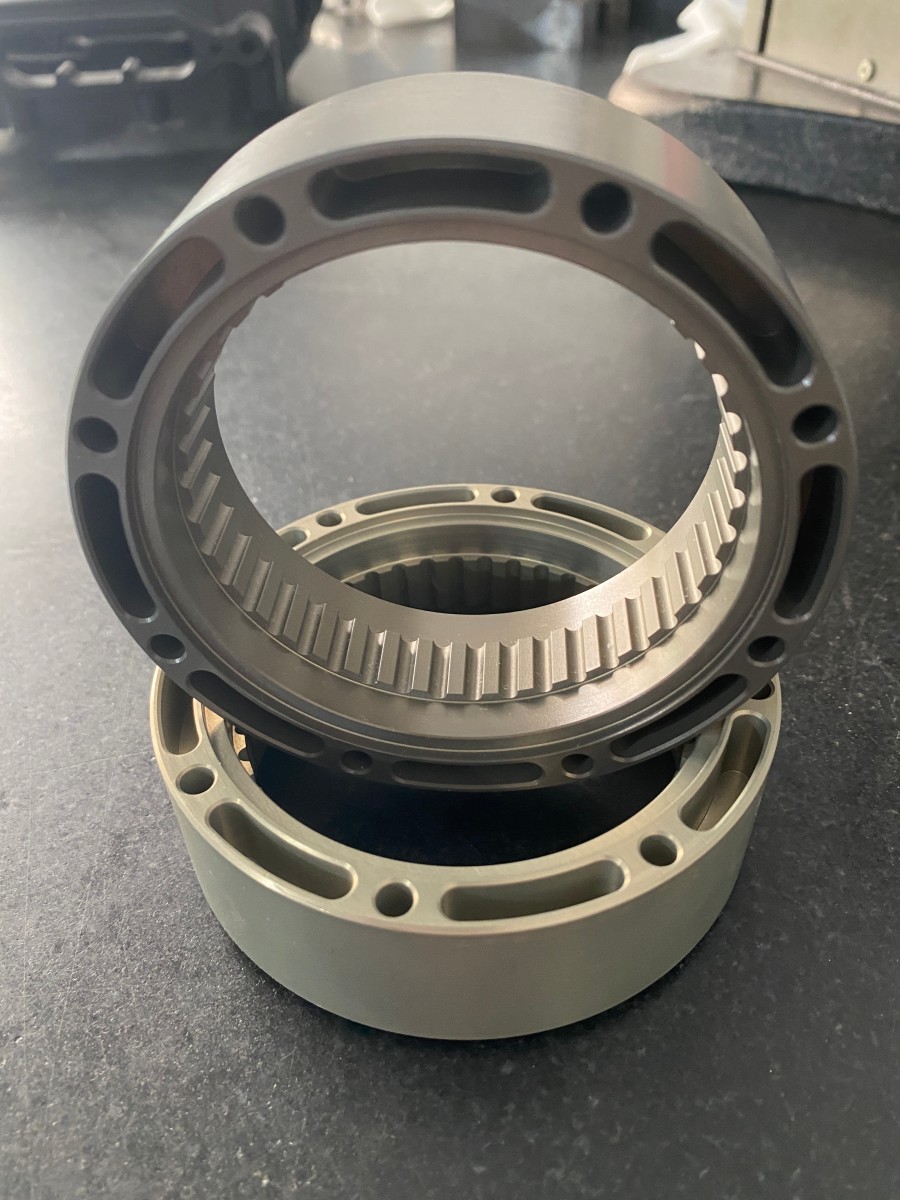
This is perhaps the most critical differentiator. The number of axes a machine can move simultaneously directly dictates the geometric complexity of parts it can produce in a single setup.
3-Axis CNC: The workhorse. The tool moves linearly in X, Y, and Z. Ideal for prismatic parts (like brackets, panels, molds with shallow cavities). It may require multiple setups to machine all features, which can introduce alignment errors.
4-Axis CNC: Adds a rotational axis (usually the A-axis), allowing the workpiece to spin. Perfect for machining features around a cylinder (e.g., camshafts, helical gears, continuous contours on round parts).
5-Axis CNC: The pinnacle of subtractive complexity. The tool can move in five directions simultaneously (X, Y, Z, and two rotational axes, e.g., A and B or C). This allows for machining incredibly complex, organic shapes (like aerospace impellers, medical implants, turbine blades) in one setup, ensuring superior accuracy and surface finish. For projects demanding the utmost in geometric freedom and precision, partnering with a specialist like GreatLight CNC Machining Factory, with its advanced 5-axis CNC machining capabilities, is often the decisive factor for success.
H3: 2. Material Versatility: From Aluminum to Inconel
CNC machines are material-agnostic. Your learning should include which materials are best suited for CNC processes:
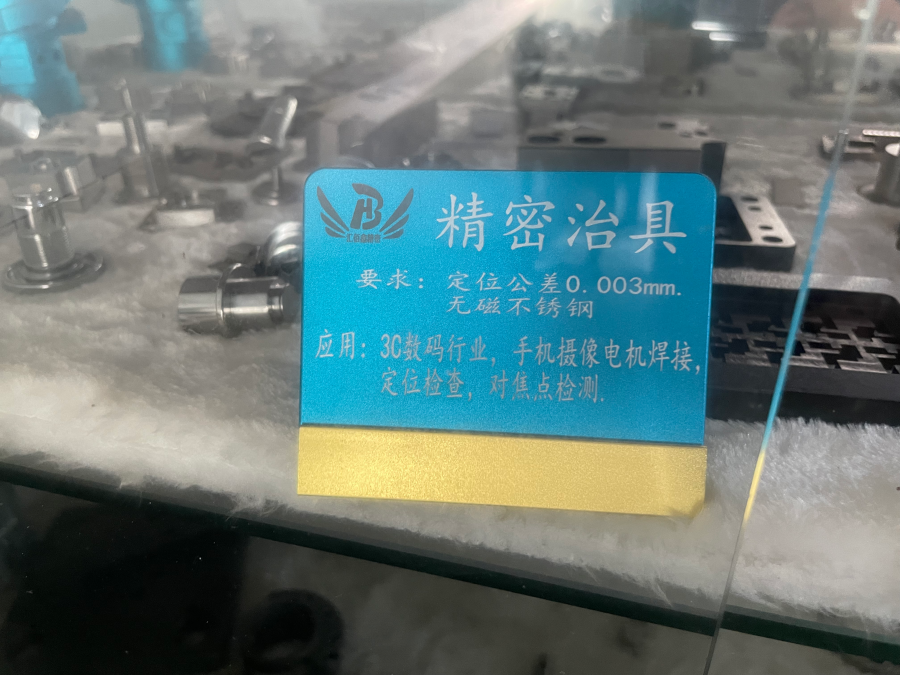
Metals: Aluminum (lightweight, easy to machine), Stainless Steel (corrosion-resistant, strong), Titanium (high strength-to-weight, biocompatible), Brass, Copper, Tool Steels, and exotic alloys like Inconel.
Plastics: POM (Delrin), Nylon, PTFE (Teflon), PC, ABS, PEEK (high-performance).
Composites & Others: Woods, foams, modeling boards.
The choice impacts machining strategy, tooling, cost, and lead time.
H3: 3. Precision and Tolerances: The Language of Accuracy
Understanding tolerances is non-negotiable. CNC machining can achieve remarkable precision, but specifying it correctly is key.
Standard Tolerances: Typically around ±0.005″ (±0.127mm). Suitable for many non-critical features.
High Precision: Can reach ±0.0005″ (±0.0127mm) or better with the right machine, tooling, and environmental control.
Micron-Level Machining: Specialized machines in environments like GreatLight CNC Machining Factory can achieve tolerances in the single-digit micron range (±0.001mm), essential for optical, medical, and aerospace components.
H3: 4. The Digital Thread: From CAD to CAM to Finished Part
The process is digitally continuous:
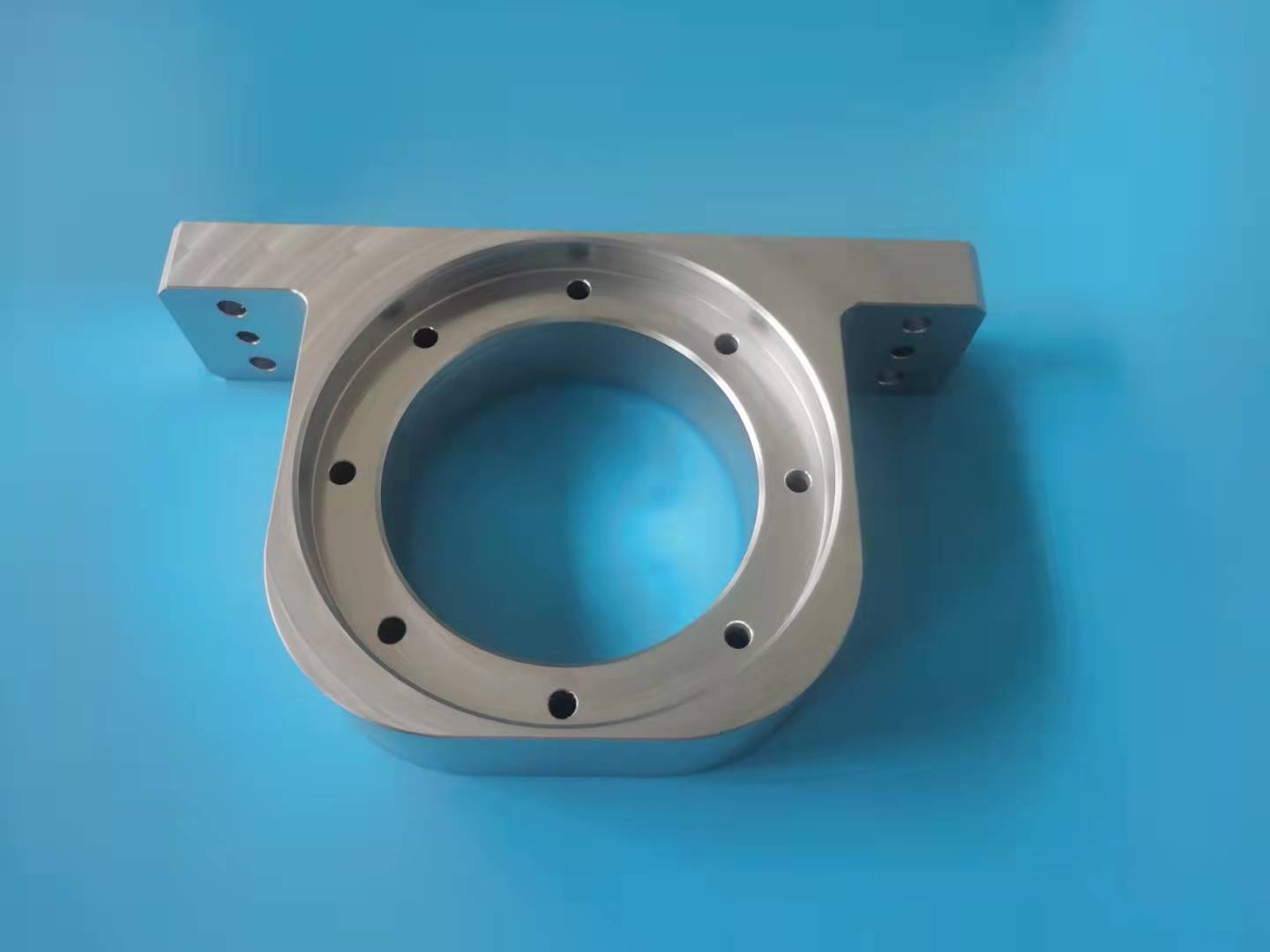
CAD (Computer-Aided Design): You provide the 3D model (e.g., STEP, IGES) or 2D drawings.
CAM (Computer-Aided Manufacturing): The manufacturer’s engineer uses CAM software to “slice” the CAD model, generate toolpaths, and create the machine-readable G-code. This step requires deep manufacturing knowledge to optimize for time, tool wear, and surface quality.
Machining & Post-Processing: The machine executes the code. Parts often then undergo secondary operations like deburring, heat treatment, anodizing, plating, or painting.
H2: The Strategic Lessons: Applying CNC Knowledge to Your Projects
Learning about CNC machines isn’t academic; it’s about making better business and engineering decisions.
Design for Manufacturability (DFM): A good CNC partner will provide DFM feedback. Learn to design with machining in mind—avoiding overly deep pockets, sharp internal corners, unnecessarily tight tolerances, and features that require special tooling. This collaboration drastically reduces cost and lead time.
Volume vs. Flexibility: CNC is ideal for low to medium volume production and prototyping. It offers unparalleled flexibility—design changes only require updating the CAD/CAM file, with no expensive tooling (like molds) needed. For very high volumes, processes like die-casting or stamping may become more economical, though CNC is often used to create the molds for those processes.
Total Cost of Ownership: Look beyond the per-part quote. Consider the value of faster time-to-market, reduced assembly (through complex single-piece parts), and the reliability that comes with high precision and certified quality systems.
H2: Conclusion: The Enduring Value of CNC Mastery
So, what did you learn CNC machine? You learned that it is far more than just a tool; it is a comprehensive, digitally-driven manufacturing philosophy. It represents the synergy of advanced mechanical engineering, sophisticated software, and profound material science. Mastering its principles—from axis configurations and material science to tolerance specification and DFM—empowers you to unlock innovation, mitigate project risk, and source components that meet the exacting standards of today’s competitive markets.
The final lesson is about partnership. The full potential of CNC machining is realized when client expertise meets manufacturer capability. Choosing a partner with the right technological arsenal, such as a facility equipped with multi-axis capabilities and backed by rigorous quality certifications, transforms your digital designs into physical reality with confidence and precision.
H2: Frequently Asked Questions (FAQ)
Q1: What’s the main advantage of 5-axis CNC over 3-axis?
A: The primary advantage is the ability to machine complex geometries in a single setup. This reduces cycle time, eliminates errors from repositioning the workpiece, and allows for the creation of contours and undercuts that are impossible with 3-axis machines. It results in better accuracy, superior surface finish on complex shapes, and overall higher part integrity.
Q2: How do I choose the right material for my CNC part?
A: The choice depends on your part’s function. Consider:
Mechanical Requirements: Strength, hardness, wear resistance.
Environmental Factors: Exposure to corrosion, heat, chemicals.
Weight Constraints: Aerospace and automotive often prioritize lightweight materials like aluminum or titanium.
Budget: Material cost and machinability (e.g., aluminum is faster/cheaper to machine than stainless steel).
Aesthetics & Surface Treatment: Some materials anodize or plate better than others. A seasoned manufacturer can guide you through this selection.
Q3: What file format should I provide for a CNC machining quote?
A: Provide a 3D CAD model in a neutral, robust format like STEP (.stp) or IGES (.igs). These formats preserve solid geometry without proprietary data. Also include a 2D drawing (PDF or DWG) with critical dimensions, tolerances, surface finish requirements, and material specifications. This combination gives the manufacturer complete information.
Q4: Can CNC machining be used for both prototyping and production?
A: Absolutely. This is one of its greatest strengths. The same digital file and machine can produce a single prototype for verification and then seamlessly scale to produce hundreds or thousands of production parts. This continuity ensures the prototype is truly representative of the final production part.
Q5: What quality assurances should I look for in a CNC machining supplier?
A: Seek suppliers with:
Certifications: ISO 9001 for quality management systems is fundamental. For specific industries, look for ISO 13485 (medical) or IATF 16949 (automotive).
In-House Metrology: They should have advanced measuring equipment (CMMs, optical scanners, profilometers) to verify part dimensions.
Process Documentation: Ability to provide first-article inspection reports and material certifications.
Technical Expertise: Engineers who can engage in DFM discussions. Manufacturers that invest in advanced technology, like GreatLight CNC Machining Factory, often demonstrate a deeper commitment to quality and capability. For a deeper look into industry standards and professional networks, you can explore resources from leading professional platforms like LinkedIn{:target=”_blank”}.



















