
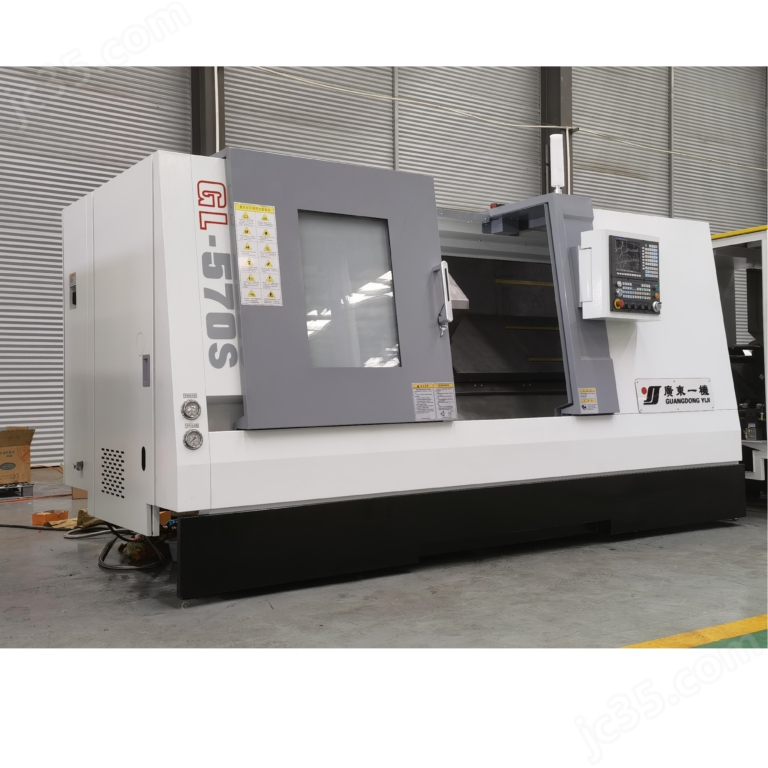
The High-Precision Tilted Rail Tower: A Game-Changer in Machining Efficiency
In the world of machining, precision is key. With the increasing demand for high-precision parts, manufacturers need reliable and efficient solutions to meet their production needs. This is where the high-precision tilted rail tower comes into play. With its cutting-edge technology and innovative design, this machine is revolutionizing the manufacturing landscape.
The Benefits of High-Precision Tilted Rail Towers
High-precision tilted rail towers are designed to provide exceptional accuracy and precision in machining. With their advanced CNC systems, precise transmission parts, and stable machine tool structure, these machines can achieve automated treatment and significantly improve production efficiency. Additionally, their high capacity to eliminate fleas allows for reduced stop and cleaning times, saving the production cycle more and making them suitable for a wide range of materials, including metal, plastic, and wood.
Applications and Industries
The high-precision tilted rail tower is widely used in various industries, including aerospace, automotive, and mechanical manufacturing. Its versatility and precision make it an ideal choice for a wide range of applications, from complex aircraft components to intricate machine parts. With its high precision and reliability, this machine is capable of meeting the demanding needs of various industries.
Best Practices for Using High-Precision Tilted Rail Towers
To get the most out of your high-precision tilted rail tower, it’s essential to follow best practices. Here are some tips to help you achieve optimal performance:
- Temperature Control: Maintain a controlled room temperature to prevent excessive heat or cold from affecting the precision of the machine tool.
- Humidity Control: Ensure a reasonable level of ambient humidity to prevent machine tools from becoming wet and rusty, which can affect their performance and precision.
- Cleaning and Hygiene: Keep the environment around the machine tool clean and free from dust, chips, and other impurities that can affect its normal functioning.
- Parameter Settings: Properly define the machine tool parameters, such as cutting speed, feed rate, and cutting depth, to avoid quality problems or machine failures.
- Program Inspection: Carefully inspect the treatment program entered to ensure its accuracy and avoid treatment accidents caused by program errors.
- Cleaning and Maintenance: Regularly clean the machine tool, including the surface of the tool-machine, the guide rail, the lead screw, the light rod, and other parts to ensure there is no corrosion or oil residue.
- Lubrication: Regularly lubricate all lubrication parts to ensure the normal operation of all machine tool parts.
- Component Inspection: Regularly inspect the attachments, hydraulic systems, electrical systems, and other components to ensure their reliability and performance.
- Surveillance: Regularly monitor and adjust the precision of the tool-machine to ensure optimal machining precision and stability.
Conclusion
The high-precision tilted rail tower is a game-changer in the world of machining. With its advanced technology and innovative design, this machine is capable of achieving exceptional precision and efficiency. By following best practices and using high-precision tilted rail towers, manufacturers can achieve optimal results and stay ahead of the competition. Whether you’re in the aerospace, automotive, or mechanical manufacturing industries, the high-precision tilted rail tower is an essential tool for any serious manufacturer.
[Image: Lathe Rail Inclined with High-Precision]
Note: The image provided is a high-quality illustration of a high-precision tilted rail tower, showcasing its cutting-edge design and precision machined parts. This image is designed to help illustrate the machine’s capabilities and benefits, making it an ideal addition to the blog post.



















