
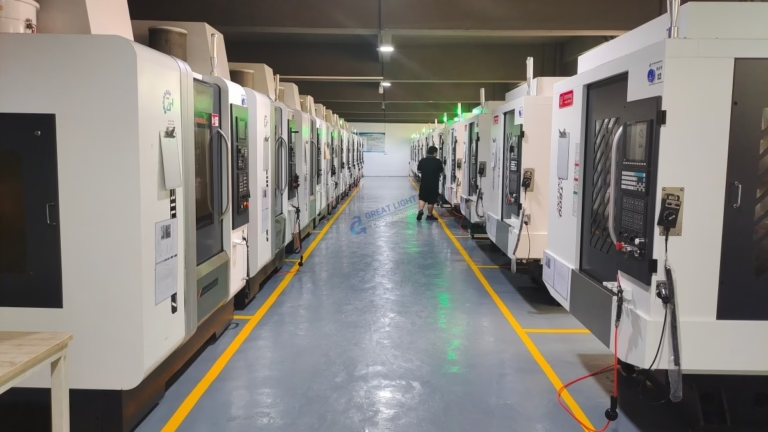
For anyone involved in specifying, procuring, or simply seeking to understand the capabilities of a modern machine shop, grasping the main components of a CNC machine is fundamental. It’s the difference between viewing a CNC machine as a mysterious black box and recognizing it as a sophisticated, integrated system where each part plays a critical role in achieving the precision and repeatability demanded by industries from aerospace to medical devices.
As a senior manufacturing engineer, I often explain that a CNC (Computer Numerical Control) machine is an orchestra of mechanical, electronic, and software components working in perfect harmony. A failure or deficiency in any single component can compromise the entire performance. Let’s dissect this system into its core subsystems.
H2: The Core Framework: Structural and Mechanical Components
This group forms the physical backbone of the machine, responsible for its rigidity, stability, and range of motion.
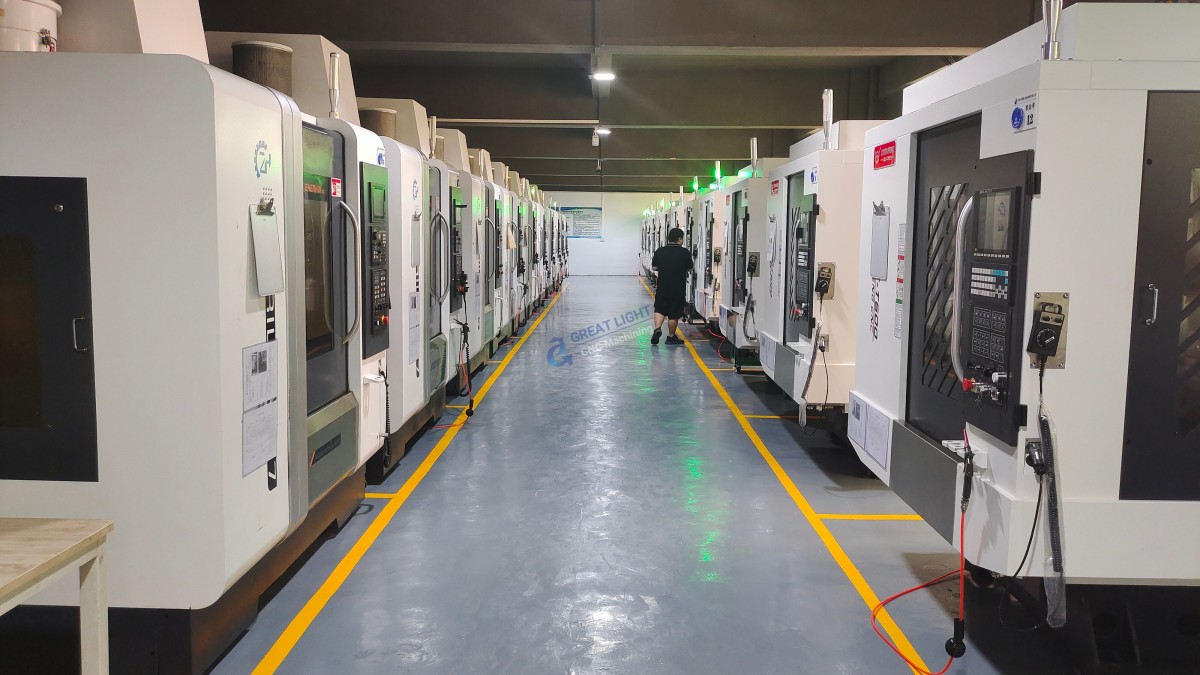
Machine Bed & Base: The foundational element, typically a heavy, rigid casting made from polymer concrete or aged cast iron. Its primary job is to absorb vibrations and provide a stable platform for all other components, preventing deflection that would lead to machining inaccuracies.
Column & Headstock: In vertical machining centers (VMCs), the column supports the spindle head along the Z-axis. In lathes, the headstock houses the main spindle, drive motor, and gearbox.
Guideways & Linear Motion Systems: These are the precision “rails” upon which moving elements slide. Modern high-performance machines use linear guides (ball or roller type) or box ways. Linear guides offer high speed and low friction, while box ways provide superior rigidity and damping for heavy cuts.
Ball Screws & Drive Systems: These convert the rotary motion of the servo motors into precise linear motion of the axes. A ball screw assembly consists of a screw and a nut recirculating ball bearings, minimizing backlash and ensuring highly accurate positioning.
Spindle Assembly: The heart of the machining operation. It consists of a high-speed motor (often an integrated electro-spindle) and a taper (like CAT, BT, or HSK) to hold the tool holder. Spindle power (kW), maximum speed (RPM), torque, and cooling system are critical specifications.
Tool Changer (ATC – Automatic Tool Changer): An essential for automation and efficiency. It can be a carousel-type or arm-type mechanism that automatically swaps tools from a magazine into the spindle based on the CNC program, enabling complex operations without manual intervention.
Workholding Table & Enclosure: The table, often a T-slot bed or a precision rotary table (for 4th/5th axis work), secures the workpiece. The full enclosure contains coolant and chips, ensuring safety and cleanliness.
H2: The “Brain” and “Nerves”: Control and Drive Components
This is the command center and the muscular system that executes commands.
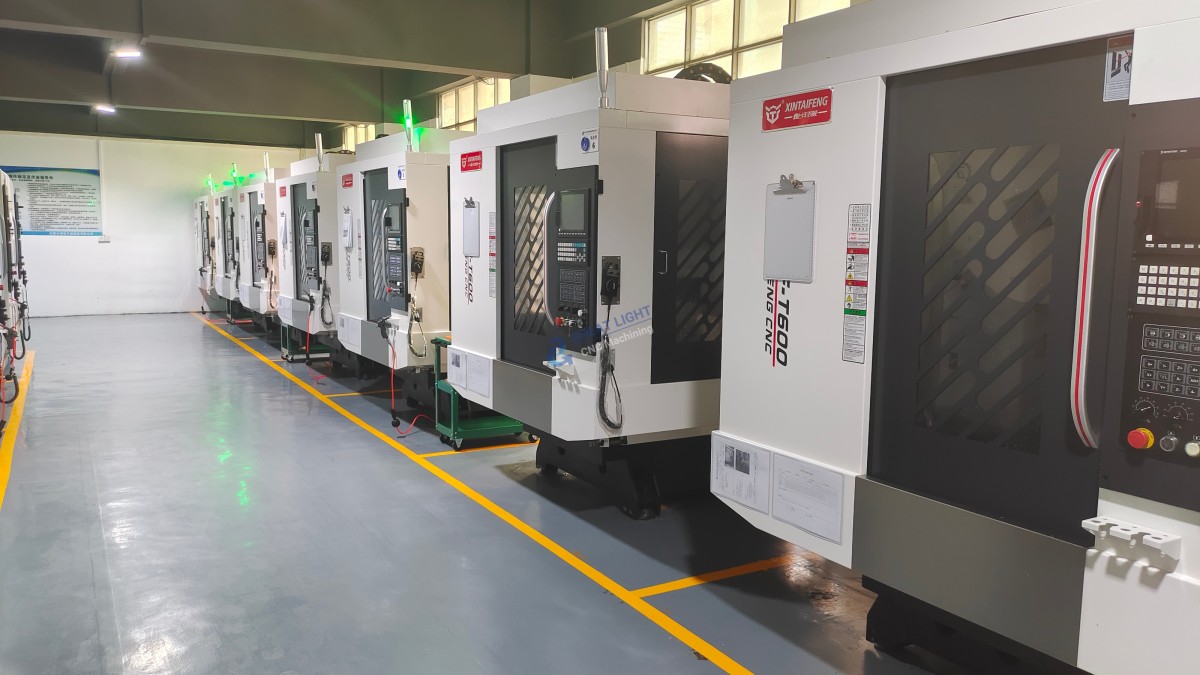
CNC Controller: The computer brain. Brands like Siemens (Sinumerik), Fanuc, Heidenhain, and Mitsubishi are industry standards. It interprets the G-code program (CAD/CAM output), performs complex trajectory planning, and sends command signals to the drive systems. The controller’s processing power determines how smoothly it can handle complex 3D contours and high-speed machining.
Servo Drives & Motors: These are the “muscles.” Each axis (X, Y, Z, and rotational axes) is driven by a dedicated servo motor paired with a servo drive. The drive receives a low-power signal from the controller and amplifies it to deliver precise power to the motor, controlling its position, velocity, and torque with extreme accuracy.
Feedback Systems (Encoders/Scales): This is the critical closed-loop system that ensures accuracy. Rotary encoders on the motor or screw, and ultra-precise linear glass scales directly on the machine axis, constantly measure the actual position and feed this data back to the controller. The controller compares it to the commanded position and makes instantaneous corrections, compensating for any mechanical error like thermal expansion or backlash.
H2: Auxiliary but Critical Support Systems
Often overlooked, these systems are vital for performance, tool life, and part quality.
Coolant System: Manages heat, which is the enemy of precision. It includes a pump, tank, filters, and nozzles. Coolant (or oil mist for some high-speed applications) floods the cutting area to dissipate heat, lubricate, and flush away chips.
Lubrication System: An automatic, centralized system that delivers oil or grease to guideways, ball screws, and bearings at precise intervals to minimize wear and friction.
Chip Management System: Includes conveyors (hinged belt or magnetic) and chip bins to automatically remove swarf, preventing recutting of chips and maintaining a clean work environment.
Power Supply & Electrical Cabinet: Houses transformers, power regulation units, and the main disconnect. It provides clean, stable power to all sensitive electronic components.
H3: The Specialized Components of 5-Axis CNC Machines
When discussing the pinnacle of capability, such as that offered by leaders in the field like GreatLight CNC Machining Factory, the components become even more specialized. A 5-axis CNC machining center integrates two additional rotational axes (typically A and B, or C) into the core system.
Trunnion Table: A common configuration where a tilting rotary table (carrying A and B axes) is mounted on the machine bed, allowing the workpiece to be oriented at complex angles.
Swivel-Rotary Spindle Head: Here, the spindle head itself tilts and rotates (A and C axes), while the table may only rotate. This is excellent for machining very large or heavy parts.
RTCP (Rotation Tool Center Point) Function: This is a critical software function within the CNC controller. It automatically compensates for the changing tool center point position as the head or table rotates, allowing the programmer to work in simple 3D coordinates while the machine handles the complex 5-axis kinematics.
Conclusion: The Sum is Greater Than Its Parts
Understanding the main components of a CNC machine reveals why not all machine shops are created equal. The precision of the ball screws, the rigidity of the base, the responsiveness of the servo system, and the intelligence of the controller all coalesce to define a machine’s capability. For clients seeking precision parts machining and customization, the choice of manufacturing partner hinges on their investment in and mastery of these components. A factory like GreatLight CNC Machining Factory, with its arsenal of advanced five-axis equipment and deep process knowledge, exemplifies how the synergy of top-tier components, governed by rigorous standards like ISO 9001:2015 and IATF 16949, translates directly into the ability to solve complex manufacturing challenges and deliver parts that meet the most exacting specifications. The machine is only as capable as the sum of its meticulously engineered and maintained parts.
Frequently Asked Questions (FAQ)
H3: Q1: What is the single most important component for achieving high precision?
A: It’s a synergy, but the closed-loop feedback system (linear scales/encoders) is paramount. The finest mechanical components can drift due to heat or force. The feedback system provides real-time data to the controller, allowing it to correct errors instantly, making it the ultimate guardian of precision.
H3: Q2: Why are 5-axis machines considered more complex?
A: Beyond the added physical rotary components (tilting tables or heads), the complexity lies in the control software and kinematic calibration. The CNC controller must manage the synchronized movement of five axes simultaneously while maintaining tool orientation and compensating for dynamic errors—a task requiring sophisticated algorithms and expert setup.
H3: Q3: How does the choice of CNC controller brand affect my parts?
A: Different controllers have unique strengths. Some, like Heidenhain, are renowned for superior surface finish in mold making. Others, like Siemens, offer exceptional openness for complex automation integration. Your manufacturer’s familiarity with their controller directly impacts programming efficiency, error handling, and the ability to leverage advanced high-speed machining functions.
H3: Q4: What should I look for in a manufacturer’s machine components to gauge their capability?
A: Ask about:
Machine Brands & Models: Reputable OEMs (e.g., DMG MORI, Mazak, Hermle) invest heavily in component quality.
Controller Type: Industry-standard brands are a must.
Feedback System: The presence of linear glass scales on critical axes is a hallmark of a high-precision machine.
Spindle Specifications: High-speed, liquid-cooled spindles indicate capability for finishing hard materials or achieving fine surface finishes.
ATC Capacity: A large tool magazine suggests readiness for complex, unattended machining.
H3: Q5: How does a manufacturer like GreatLight Metal ensure these components work together reliably?
A: Through a system-based approach. It starts with selecting high-grade machinery and is sustained by preventive maintenance schedules, regular geometric and volumetric accuracy calibration (using laser interferometers and ballbar tests), and continuous training for technicians. This holistic care, underpinned by certified quality management systems, ensures all components perform as an integrated, reliable unit over the long term. For insights into how industry leaders operate, you can follow the professional network of experts at companies like GreatLight on platforms such as LinkedIn{:target=”_blank”}.


















