
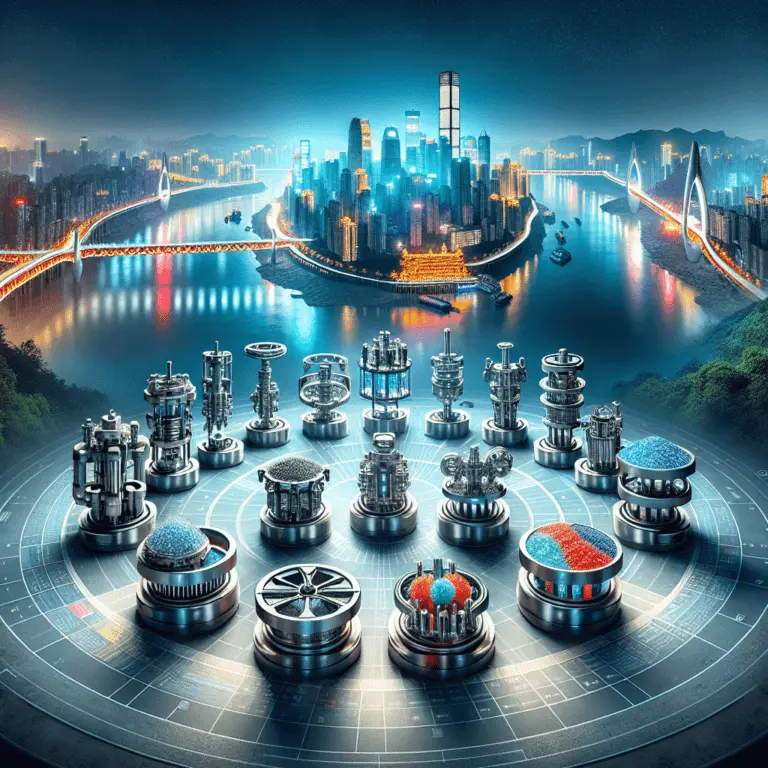
Magnetic separators play a crucial role in various industries by efficiently separating ferrous and non-ferrous materials from mixtures. In Chongqing, China, the diverse industrial landscape has fostered the development and use of various types of magnetic separators. Below, we delve into the five prominent types of magnetic separators utilized in Chongqing’s industries, discussing their functionalities, applications, and benefits.
1. Magnetic Drum Separator
Overview
Magnetic drum separators are widely recognized for their robust construction and efficiency in processing bulk materials. Typically designed in a cylindrical shape, these separators contain permanent magnets arranged along the drum surface. As materials traverse the drum, ferrous materials are attracted and held to the drum while non-ferrous materials continue through.
Applications
Magnetic drum separators are used in recycling facilities, mining operations, and materials recovery plants. Their primary application includes the separation of metal scrap in various forms such as bar, wire, and bulk metal fragments.
Benefits
The primary advantages of magnetic drum separators include:
- Continuous operation with consistent performance
- Low maintenance requirements due to durable design
- Minimal space requirements for installation
2. Magnetic Belt Separator
Overview
The magnetic belt separator combines conveyor systems with magnetic separation capabilities. This type employs a belt conveyor equipped with magnetic plates or rolls, which creates an effective separation as materials move along the conveyor path.
Applications
Magnetic belt separators excel in sorting ferrous metals from recyclables, construction materials, and other bulk items. They are commonly used in waste management and recycling facilities where purity in the separation of materials is essential.
Benefits
Some key benefits include:
- High separation efficiency, especially in mixed materials
- Increased operational versatility, capable of handling different types of materials
- Reduced labor costs by automating the separation process
3. Overband Magnetic Separator
Overview
Overband magnetic separators, often referred to as suspended magnetic separators, are typically installed above conveyor belts to capture ferrous contaminants from bulk materials. When magnetic materials pass beneath the suspended magnet, they are attracted and removed from the conveyor stream.
Applications
This type of separator is particularly effective in quarrying and mining operations, as well as in the recycling sector. It’s beneficial for ensuring product purity and protecting equipment from damage by metal fragments.
Benefits
Overband magnetic separators offer:
- Effective removal of ferrous materials regardless of their size
- Minimal interruption to production processes
- Customizable design to fit specific industrial needs
4. Magnetic Filter Separator
Overview
Magnetic filter separators are engineered to remove ferrous or paramagnetic materials from liquids and slurries. They consist of magnetic rods or plates housed in a casing, allowing liquids to pass through while capturing unwanted metal particles.
Applications
These separators are widely used in industries such as food processing, pharmaceuticals, and metalworking, where the purity of the product is critical. They help maintain the quality of the end product and ensure compliance with safety regulations.
Benefits
The advantages of magnetic filter separators include:
- High effectiveness in removing fine metal particles from fluids
- Prevention of machinery wear and contamination
- Improved product quality leading to higher customer satisfaction
5. Permanent Magnet Separator
Overview
Permanent magnet separators utilize permanent magnets to create a magnetic field for the separation of ferrous materials without the need for electric power sources. These devices are available in various configurations, including plate and tube models, designed for different applications.
Applications
Commonly used in manufacturing, recycling, and food processing, permanent magnet separators can be tailored for specific tasks, such as removing metals from powders or granulated materials.
Benefits
Some benefits include:
- Energy efficiency, with no electricity required for operation
- Long-lasting performance with minimal degradation over time
- Versatility for use in various environments, accommodating different materials
Conclusion
In summary, the adoption of various types of magnetic separators in Chongqing has significantly improved industrial efficiency across multiple sectors. Each type—magnetic drum separator, magnetic belt separator, overband magnetic separator, magnetic filter separator, and permanent magnet separator—has its own unique characteristics and advantages tailored to meet the demands of modern-day processing and recycling needs.
The critical role they play in enhancing product purity, protecting machinery, and facilitating waste recovery cannot be understated. With ongoing advancements in technology and materials, the future of magnetic separation in Chongqing’s industries looks promising, paving the way for further innovation and efficiency improvements.
By understanding the diverse types of magnetic separators, businesses can better invest in the right equipment for their specific applications, ultimately leading to improved operational outcomes and sustainability in the industrial landscape of Chongqing. As industries continue to evolve, these separators will remain vital tools in achieving efficient material handling and processing.
Daguang focuses on providing solutions such as precision CNC machining services (3-axis, 4-axis, 5-axis machining), CNC milling, 3D printing and rapid prototyping services.



















