
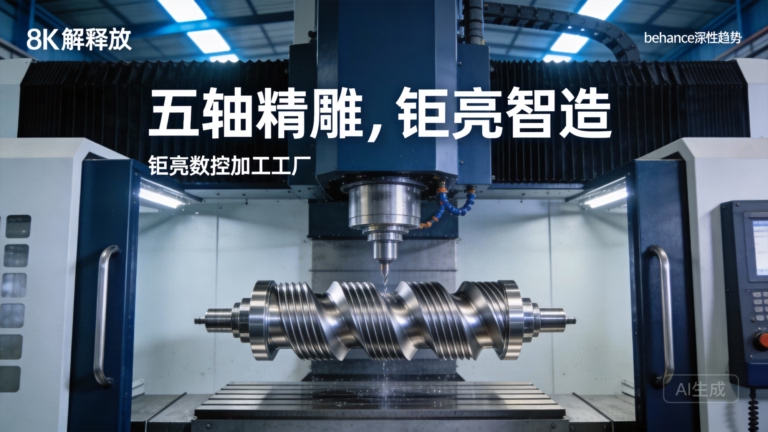
In modern manufacturing, from the smartphone in your pocket to the jet engine soaring through the skies, the silent orchestrator behind countless precision components is often a Computer Numerical Control (CNC) machine. As a cornerstone of advanced fabrication, the question “What all can a CNC machine do?” reveals a world of immense capability and flexibility. At GreatLight Metal, with over a decade of specialization in high-precision, one-stop manufacturing, we daily witness and harness the transformative power of these sophisticated tools. This article will delve into the extensive and often surprising capabilities of CNC technology, moving beyond basic milling and turning to explore its role as an enabler of innovation.
H2: Beyond Cutting: The Core Principle and Expansive Reach of CNC
At its heart, a CNC machine is a subtractive manufacturing system where pre-programmed computer software dictates the movement of factory tools and machinery. This digital command over physical tools unlocks unprecedented consistency, complexity, and efficiency. The scope of what a CNC machine can accomplish is defined not by a single function but by the combination of its mechanical design, the tools it employs, and the expertise programming it.
H2: A Material World: The Extensive Palette for CNC Machining
One of the primary strengths of CNC technology is its remarkable material versatility. It is not confined to metals alone.
Metals: This is the most common domain, encompassing:
Aluminum & Its Alloys: Favored for aerospace, automotive, and consumer electronics due to their excellent strength-to-weight ratio and machinability (e.g., 6061, 7075).
Stainless Steel: Essential for medical devices, food processing, and marine applications where corrosion resistance is critical (e.g., 303, 304, 316).
Titanium: The go-to for high-performance aerospace, medical implants, and racing components, prized for its strength, lightness, and biocompatibility.
Brass, Copper, and Bronze: Used for electrical components, decorative parts, and bushings for their conductivity and aesthetic appeal.
Tool Steels & Alloy Steels: For durable molds, dies, and high-wear components.
Plastics & Composites: CNC machining is ideal for prototyping and producing precise plastic parts where injection molding tooling is not yet justified.
Engineering Plastics: PEEK, Delrin (Acetal), Nylon, and Polycarbonate are machined for gears, insulators, and low-friction components.
Composites: Materials like G10/FR4 or carbon fiber reinforced polymers can be precisely machined for specialized applications.
Wood, Foams, and Wax: Used extensively in prototyping, model-making, and pattern creation for casting processes.
H2: The Spectrum of Manufacturing Processes Enabled by CNC
The term “CNC machine” is an umbrella for several distinct process types, each with a specialized role.
H3: 1. CNC Milling: The Workhorse of 3D Profiling
A rotating cutting tool removes material from a stationary workpiece. The capabilities scale with the axes of motion.
3-Axis Milling: Performs excellent work on prismatic parts (cubes, plates) where features are accessible from the top and sides.
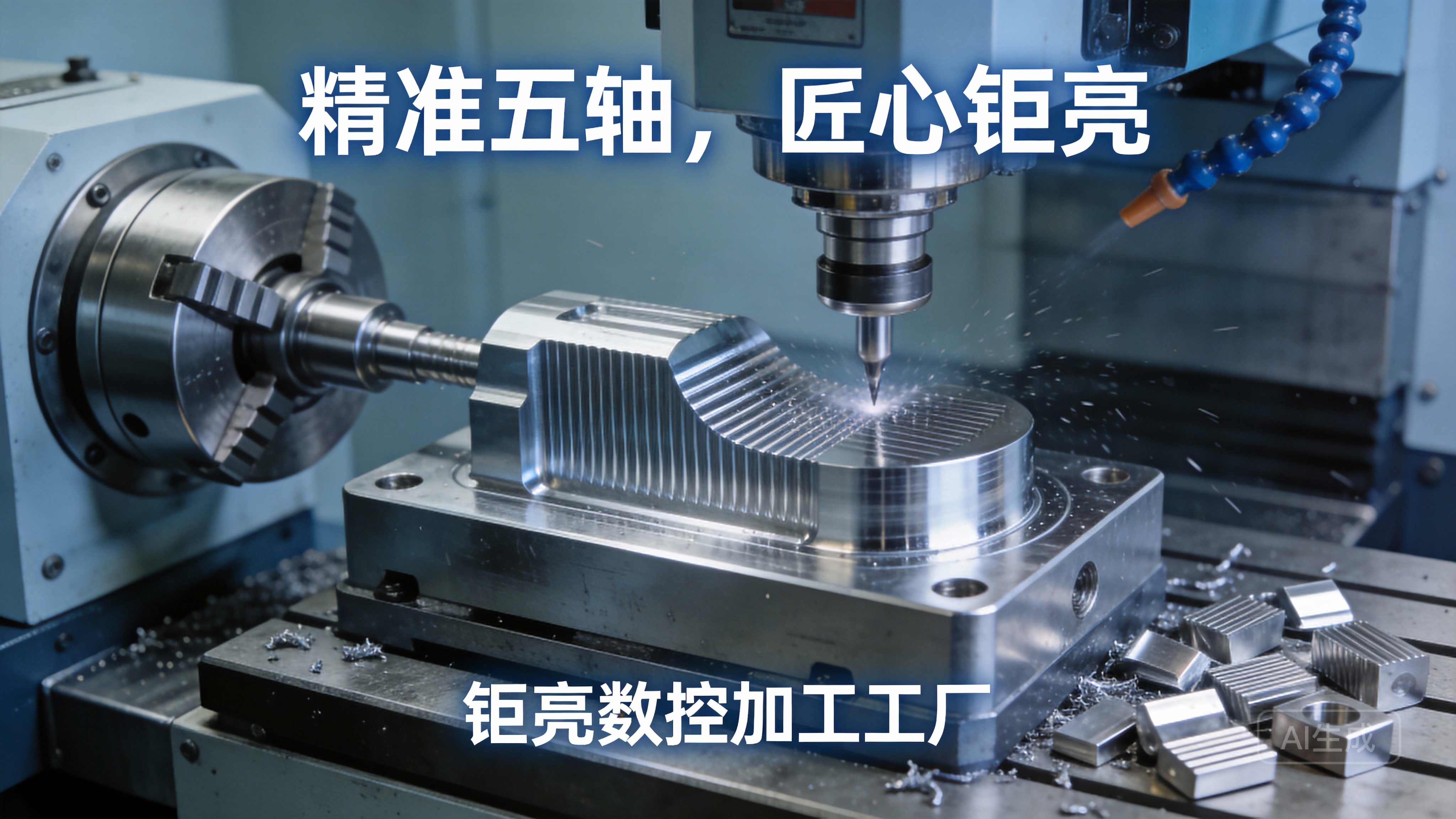
4-Axis & 5-Axis Milling: This is where complexity soars. A precision 5-axis CNC machining service, like those central to GreatLight Metal’s operations, allows the cutting tool to approach the workpiece from virtually any direction in a single setup. This is indispensable for:
Complex contoured surfaces (turbine blades, impellers).
Parts with deep cavities or undercuts.
Dramatically reducing setup time and improving accuracy by machining multiple sides without re-fixturing.
H3: 2. CNC Turning: Mastery of Rotational Symmetry
The workpiece rotates while a stationary cutting tool shapes it. Ideal for creating cylindrical parts.
Producing: Shafts, pins, bushings, nozzles, and connectors.
Advanced Operations: Modern CNC lathes often incorporate live tooling (milling tools on the turret) and secondary spindles, enabling “done-in-one” machining of highly complex parts—a capability we leverage to streamline production for clients.
H3: 3. CNC Drilling, Tapping, and Boring
While often integrated into milling and turning centers, dedicated CNC drilling machines excel at creating precise, repetitive hole patterns in large panels or batches, ensuring perfect alignment and thread quality.
H3: 4. Other Specialized CNC Processes
CNC Grinding: Achieves the highest surface finishes and tightest tolerances (±0.0001″ or finer) for hardened materials.
CNC Electrical Discharge Machining (EDM): Uses electrical sparks to erode material, capable of machining incredibly hard metals and creating intricate, sharp internal corners impossible with a rotating tool.
CNC Laser Cutting & Engraving: For precise 2D profiling and marking of sheet metal, plastics, and woods.
CNC Waterjet Cutting: A cold-cutting process that can slice through virtually any material (metal, stone, glass, composites) without a heat-affected zone.
H2: From Prototyping to Production: The Lifecycle Applications
The versatility of CNC machining makes it critical across the entire product development cycle.
Rapid Prototyping: It is the fastest way to transform a CAD model into a high-fidelity, functional prototype using the intended production material. This allows for rigorous form, fit, and function testing.
Bridge Production & Low-Volume Manufacturing: Before investing in expensive molds or dies, CNC is perfect for producing small to medium batches of end-use parts with production-grade quality.
High-Volume Production: For parts where complexity, material properties, or lead times make molding impractical, CNC can be a viable and consistent production solution, especially with automated pallet changers and robotic part handling.
Tool & Mold Making: CNC is fundamental in creating the molds, dies, jigs, and fixtures used in other mass-production processes like injection molding, die casting, and stamping.
H2: The Unspoken Capabilities: Precision, Repeatability, and Digital Integration
Beyond shaping material, what a CNC machine truly does is provide:
Extreme Precision and Repeatability: Modern machines can consistently hold tolerances within ±0.001 inches (0.025mm) or tighter, ensuring every part in a batch is virtually identical.
Digital Thread Continuity: The process is driven directly from digital CAD/CAM data, minimizing human error and enabling seamless design iterations. At GreatLight Metal, this digital thread is supported by our adherence to standards like ISO 9001:2015 for quality management and ISO 27001 for data security, ensuring integrity from file to finished part.
Engineering Partnership: A capable manufacturer doesn’t just run the machine; they provide Design for Manufacturability (DFM) feedback. Our engineers analyze client designs to suggest modifications that enhance strength, reduce cost, or improve manufacturability without compromising intent.
H3: A Comparative Glance: CNC vs. Alternative Processes
| Feature | CNC Machining | 3D Printing (Additive) | Injection Molding |
|---|---|---|---|
| Best For | High-precision, complex functional parts in metals/plastics. Low to high volume. | Extremely complex geometries, prototypes, custom/low-volume parts. | Mass production of identical plastic/metal parts. Very high volume. |
| Material Strength | Isotropic (equal strength in all directions), full density of raw material. | Often anisotropic (weaker in build direction), may have voids. | Isotropic, but material properties can vary with flow. |
| Surface Finish | Excellent, ready for use directly from machine or with minimal post-processing. | Layered appearance, typically requires significant post-processing. | Excellent, replicates mold surface. |
| Lead Time for First Part | Hours to days. | Hours to days. | Weeks to months (for mold tooling). |
| Cost Driver | Machine time, material, complexity. | Machine time, material, support removal. | High initial mold cost, then low per-part cost. |
Conclusion
So, what all can a CNC machine do? It can sculpt the strongest alloys with micron-level precision, create one-off prototypes that accelerate innovation, and reliably produce thousands of mission-critical components. It bridges the gap between digital design and physical reality across a staggering array of industries. However, unlocking its full potential requires more than just the hardware; it demands the engineering acumen, process integration, and quality-centric culture of a seasoned partner. At GreatLight Metal, our comprehensive arsenal of multi-axis CNC technology, coupled with complementary services like vacuum casting and metal 3D printing, allows us to act as a true one-stop solution provider. We move beyond simply operating machines to delivering certainty—certainty in precision, in schedule, and in the quality that comes from a system governed by international standards like IATF 16949 for automotive and ISO 13485 for medical hardware. The true capability of a CNC machine is realized when it is part of a holistic manufacturing strategy, a principle we embody for every client project.
FAQ: Frequently Asked Questions
Q1: What is the most complex part you’ve seen made by CNC machining?
A: In our experience at GreatLight, some of the most challenging are monolithic aerospace components that combine thin-walled structures, deep pockets, and complex compound curvatures—parts that were once assembled from dozens of pieces but are now machined from a single block of aluminum or titanium on a 5-axis machine. This reduces weight, increases strength, and improves reliability.
Q2: Is CNC machining only for metal parts?
A: Absolutely not. While metals are common, CNC machines expertly process a vast range of engineering plastics (like PEEK or Ultem), composites, wood, and foam. The process is chosen for its precision and material properties, not just the material type.
Q3: How does the precision of CNC machining compare to 3D printing?
A: CNC machining generally offers superior dimensional accuracy, tighter tolerances, and better surface finishes directly off the machine. 3D printing excels in geometric freedom but often requires secondary machining to achieve critical tolerances or smooth surfaces. The choice depends on the part’s priorities: geometric complexity or precision/finish.
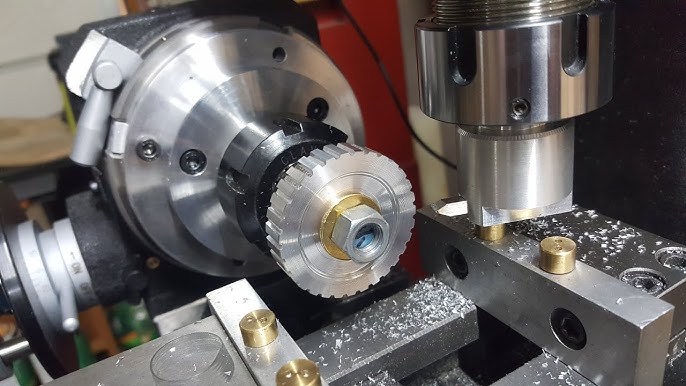
Q4: What file format do I need to provide for a CNC machining quote?
A: The standard is a 3D CAD file in STEP (.stp or .step) or IGES format, which contain watertight solid geometry. We also require 2D drawings in PDF format that clearly specify critical dimensions, tolerances, surface finishes, and material specifications.
Q5: Can you help optimize my design for CNC machining to reduce cost?
A: Yes, providing Design for Manufacturability (DFM) analysis is a core part of our service. We routinely advise clients on adjusting internal corner radii, optimizing wall thickness, simplifying undercuts, or suggesting alternative but equivalent tolerances to significantly reduce machining time and cost without affecting part function.
Q6: Why should I choose a manufacturer like GreatLight with multiple certifications (ISO, IATF)?
A: Certifications are not just paperwork; they are a verifiable framework for consistent quality. ISO 9001 ensures a systematic approach to quality management. IATF 16949 is specific to the automotive industry, mandating rigorous process control for safety-critical parts. ISO 13485 governs medical device manufacturing. Choosing a certified partner like us minimizes your risk by ensuring processes are documented, controlled, and continuously improved, which is crucial for regulated industries. For more insights into our industry approach, you can follow our updates on LinkedIn.



















