
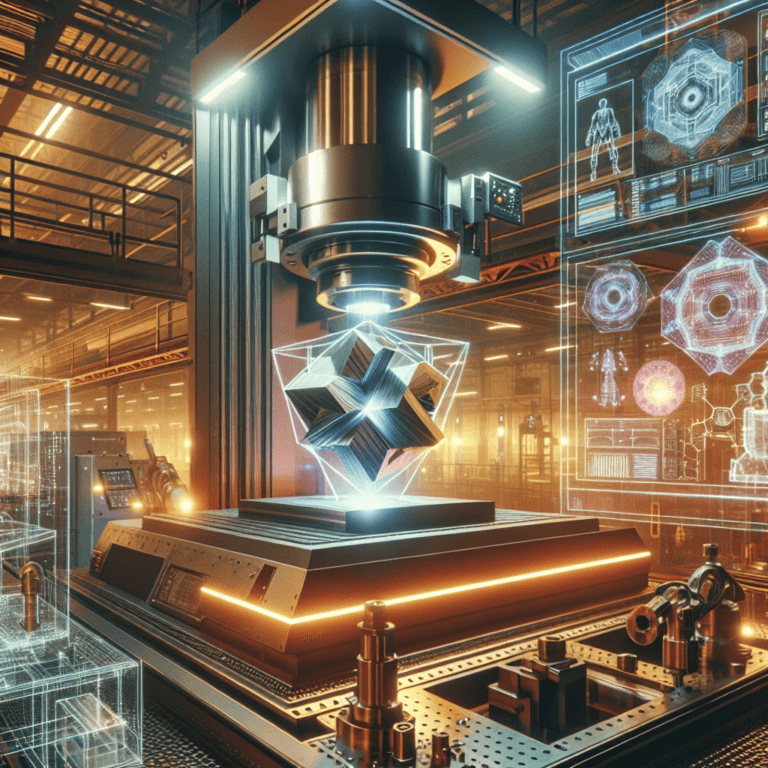
CNC (computer numerical control) machining has revolutionized the face of manufacturing since its inception. This technology has made significant advances, enabling greater precision, efficiency and versatility. As the industry continues to evolve and demand higher standards, the future of CNC machining promises to bring more breakthrough innovations. In this article, we will explore the major developments in CNC machining, the integration of cutting-edge technologies, and their impact on future manufacturing processes.
H2: Understand CNC machining
CNC machining is a manufacturing process that involves the use of computer-controlled machine tools. These tools range from lathes and milling machines to grinders and milling machines. The core appeal of CNC machining is its ability to mass-produce complex parts with high precision, making it a cornerstone of modern manufacturing.
CNC machining converts digital CAD (computer-aided design) models into precise machine code, which in turn guides the machine’s movement. This shift enables manufacturers to create complex shapes and complex designs that would be nearly impossible to achieve using traditional manual machining methods.
H2: Current status of CNC machining
H3: Use of advanced materials
In recent years, the range of material options for CNC machining has expanded dramatically. Traditional materials such as metals and plastics remain popular, but interest in advanced composites and new alloys is growing. Materials such as carbon fiber, titanium alloys and ceramics have unique properties that make them ideal for high-performance applications. These advances require specialized CNC machines equipped with advanced cutting tools to handle the unique properties of these materials.
H3: Automation and Robotics
Automation plays a key role in the development of CNC machining. Integrating robotics into CNC machining processes significantly increases production capabilities. Automated machines can handle repetitive tasks, allowing operators to focus on more complex aspects of production. Robots in CNC machining are often used to load and unload materials, perform secondary operations, and even perform quality inspections. This shift to automation not only increases efficiency, but also improves accuracy and reduces the potential for human error.
H3: Industry 4.0 and intelligent manufacturing
As we transition to Industry 4.0, the relevance of connected devices and IoT (Internet of Things) in CNC machining cannot be underestimated. Smart manufacturing leverages connected machinery and real-time data analytics to enhance operations. CNC machine tools are now equipped with sensors that continuously monitor various parameters such as temperature, vibration and machining conditions. This data enables companies to optimize workflows, prevent failures and enable predictive maintenance, thereby increasing uptime and reducing operating costs.
H3: Customization and flexibility
Due to changes in consumer behavior and preferences, demand for customized products has surged. CNC machining continues to evolve to meet this growing demand for customization. Modern CNC machines can quickly switch between different designs and adapt to changes in production requirements without extensive downtime. This flexibility provides manufacturers with new opportunities to customize solutions and cater to niche markets.
H2: Innovation shapes the future of CNC machining
H3: Additive manufacturing integration
The integration of additive manufacturing (3D printing) with CNC machining is one of the most promising developments. This hybrid approach combines the best attributes of both technologies. CNC machining excels at creating precise, durable parts, while additive manufacturing offers unparalleled design freedom. By leveraging both technologies, manufacturers can produce complex geometries once thought impossible, reducing part weight and saving material.
H3: Enhanced software solutions
There have also been significant advances in software supporting CNC machining. Traditional CAM (computer-aided manufacturing) software is constantly evolving to incorporate artificial intelligence and advanced algorithms. These new tools can analyze machining processes in real time, predict optimal machining times, and recommend design modifications to improve manufacturability. As software capabilities increase, barriers to entry for small and medium-sized enterprises will decrease, making access to advanced CNC machining technology more popular.
H3: Sustainable manufacturing practices
As environmental issues become more pressing, the CNC machining industry is adopting sustainable practices to respond. Minimizing waste and improving energy efficiency in manufacturing processes are at the forefront of innovation. Advanced CNC machine tools are now designed to use materials more efficiently, resulting in less scrap. Additionally, calls to action such as using environmentally friendly cooling lubricants can significantly reduce the environmental impact of CNC machining operations.
H3: Digital twins and simulation technology
Digital twin technology (creating virtual replicas of physical objects) has entered the field of CNC machining. Digital twins allow predictive modeling and simulation of machining processes before physical production begins. By simulating machining operations in a virtual environment, manufacturers can identify potential issues, optimize designs and fine-tune parameters to improve efficiency, ultimately saving time and resources.
H2: Challenges and thoughts on CNC machining
Despite rapid progress, CNC machining does face challenges that we must address as we move forward.
H3: Skilled labor shortage
One of the most pressing issues in the CNC machining industry is the shortage of skilled workers. As technology advances, the need for operators who are fully trained in advanced CNC systems and programming techniques continues to grow. Manufacturers must invest in workforce development strategies, including training programs and partnerships with educational institutions, to ensure the next generation of machinists is prepared to meet the industry challenges of the future.
H3: Cyber security threats
As CNC machine tools become more connected, they become increasingly vulnerable to cyber threats. Cybersecurity risks can lead to data breaches or the control of critical production systems. Manufacturers need to implement strong security measures and develop protocols to protect their machines from malicious cyberattacks. This includes regular software updates, employee training on security best practices, and a multi-layered security approach to protect sensitive data.
H2: Trends worthy of attention in the future
Looking ahead, several key trends are expected to shape the future of CNC machining:
H3: Greater adoption of artificial intelligence and machine learning
The artificial intelligence revolution will have a profound impact on CNC machining. From real-time process optimization to predictive maintenance, the potential applications of artificial intelligence in manufacturing are vast. Machine learning algorithms can analyze massive data sets generated by CNC machines, identifying patterns and actionable insights that increase productivity and reduce errors.
H3: Continue to emphasize sustainability
The industrial sector is increasingly adopting sustainable practices, and CNC machining is no exception. The desire for reduced carbon footprints and responsible resource management will influence the future operations of CNC machining facilities. Manufacturers will invest in environmentally friendly materials, energy-efficient machinery and waste-reducing processes in line with global sustainability goals.
H3: Development of collaborative robots (Cobots)
Collaborative robots are designed to work alongside human operators to increase productivity while ensuring safety. These robots can assist with repetitive or physically demanding tasks, allowing skilled workers to focus on higher-value operations. As collaborative robot technology continues to advance, collaboration between humans and machines in CNC machining environments is expected to increase.
H3: Advanced workholding solutions
The accuracy of CNC machining is affected not only by the machine itself, but also by the workpiece clamping system used. Future innovation will focus on developing advanced workholding solutions to increase stability and reduce setup time, thereby increasing the accuracy of the machining process. Innovations in magnetic workholding, vacuum systems and modular fixtures are all mature areas of research and development.
H2: Conclusion: Embracing the future of CNC machining
In summary, CNC machining is on the precipice of tremendous change, driven by technological advancements and changing market demands. As we explore, the integration of automation, artificial intelligence, advanced materials and sustainable practices represents the future of CNC machining. While challenges such as labor shortages and cybersecurity risks need to be addressed, the industry’s potential for growth and innovation is limitless.
Next-generation CNC machining is not just about accuracy; It’s about reimagining what’s possible in manufacturing. As the industry adapts and evolves, those willing to invest in technology, training and sustainable practices will undoubtedly lead the way into this exciting era of digital manufacturing.
H2: Frequently Asked Questions
H3: What is CNC machining?
CNC machining is a manufacturing process in which preprogrammed computer software controls the movement of factory tools and machinery. It allows complex shapes and manufacturing precision.
H3: How has CNC machining changed over the years?
CNC machining has evolved from basic manual controls to advanced computer systems that offer automation, artificial intelligence integration, and the ability to handle a wider range of materials.
H3: What are the benefits of CNC machining?
CNC machining offers several advantages, including high accuracy, repeatability, flexibility for custom designs, and reduced operating costs through automation and real-time monitoring.
H3: What technologies will affect CNC machining in the future?
Future technologies impacting CNC machining include artificial intelligence and machine learning, cobots (collaborative robots), advanced workholding solutions, and the integration of additive manufacturing technologies.
H3: How can manufacturers address the skills gap in CNC machining?
Manufacturers can address skills gaps by investing in workforce development programs, partnering with educational institutions, and providing ongoing training opportunities for employees.
H3: Will CNC machining become more sustainable in the future?
Yes, the industry is moving toward more sustainable practices, including the use of environmentally friendly materials, energy-efficient machinery, and strategies to minimize waste in the manufacturing process.
This knowledge-rich exploration of CNC machining’s transformative journey sets the stage for understanding its critical role in shaping the future of manufacturing. As we continue to innovate, we must remain agile and responsive to new opportunities and challenges, ensuring that CNC machining remains at the core of advanced production technology.
Daguang focuses on providing solutions such as precision CNC machining services (3-axis, 4-axis, 5-axis machining), CNC milling, 3D printing and rapid prototyping services.



















