
In the dynamic landscape of modern manufacturing, the procurement of machined CNC parts is far more than a simple transaction—it’s a strategic partnership that can define the success of a project. Whether you’re a startup bringing a new product to market, an R&D team pushing the boundaries of innovation, or a procurement manager for a large OEM, navigating the trade for machined CNC parts service requires a deep understanding of the process, the players, and the potential pitfalls. This guide aims to demystify this critical exchange, moving beyond price tags to explore the true value drivers in a precision manufacturing partnership.
Beyond the Quote: What “Trade” Really Means in CNC Services
At its core, the trade for machined CNC parts service is an exchange of expertise, capability, and trust for a tangible, high-precision component. It’s a multifaceted engagement where:
You trade your design and requirements for a supplier’s manufacturing intelligence and production capacity.
You trade capital expenditure (CapEx) on expensive machinery for operational expenditure (OpEx), leveraging a partner’s existing infrastructure.
You trade potential internal management overhead for a supplier’s project management and quality assurance systems.
You trade risk—of delays, quality issues, and technical hurdles—for a partner’s proven process and accountability.
Understanding this broader definition is the first step in moving from a cost-centric to a value-centric procurement strategy.
The Anatomy of a Successful CNC Parts Trade: Key Evaluation Dimensions
When evaluating potential partners for your machined CNC parts service, consider these critical dimensions that impact total cost of ownership and project success.
H2: Technical Capability and Equipment Arsenal
The foundation of any trade is the supplier’s ability to execute. This goes beyond having CNC machines—it’s about having the right machines and the expertise to use them.
Multi-Axis Machining Prowess: For complex geometries (impellers, turbine blades, medical implants, aerospace brackets), 3-axis machining often falls short. The ability to perform 5-axis CNC machining in a single setup is a game-changer. It reduces errors from multiple fixturing, improves surface finish, and allows for the machining of undercuts and complex contours impossible on simpler machines. A partner with advanced 5-axis capabilities, like those employed at GreatLight CNC Machining Factory, can transform a design from “difficult to manufacture” to “optimized for production.”
Material Mastery: Can the supplier effectively machine your chosen material—be it aerospace-grade aluminum (e.g., 7075), tough stainless steels (e.g., 17-4 PH), high-temperature alloys (Inconel), or engineering plastics (PEEK, Ultem)? Look for evidence of experience with similar materials.
Metrology and Quality Control: Precision is meaningless if it can’t be verified. A credible partner will have in-house Coordinate Measuring Machines (CMM), optical comparators, surface roughness testers, and other metrology tools. They should have a documented First Article Inspection (FAI) process and be able to provide detailed inspection reports (e.g., AS9102 forms for aerospace).
H3: Process Integrity and Quality Management Systems
This is where promises are institutionalized into processes. A supplier’s certifications are your shorthand for their systematic approach to quality.
ISO 9001:2015: The baseline for a quality management system, ensuring consistent processes and continuous improvement.
Industry-Specific Certifications:
IATF 16949: Non-negotiable for automotive supply chains, focusing on defect prevention and reduction of variation.
ISO 13485: Essential for medical device manufacturing, emphasizing risk management and traceability.
AS9100D: The aerospace standard, with heightened requirements for safety, reliability, and configuration management.
Data Security (ISO 27001): For IP-sensitive projects, ensuring your designs and data are protected is paramount.
A partner that invests in these systems, like GreatLight Metal, is trading a commitment to reliability and risk mitigation for your business.
H4: Engineering Support and Design for Manufacturability (DFM)
The most valuable exchange often happens before the first toolpath is generated. A true manufacturing partner will provide proactive DFM feedback.
Can they identify potential manufacturing issues (e.g., deep pockets with small radii, thin walls, inaccessible features) and suggest modifications that maintain function while improving manufacturability and reducing cost?
Do they offer process selection advice? Sometimes, a part designed for machining might be more economically produced via metal 3D printing (SLM) for prototypes or investment casting for volume. A supplier with a broad service portfolio (CNC machining, 3D printing, casting) can provide unbiased guidance.
H5: Supply Chain Transparency and Project Management
The trade extends to logistical and communication reliability.
Project Management: Is there a single point of contact? What is the protocol for design changes, progress updates, and issue escalation?
Supply Chain Resilience: How does the supplier source raw materials? Do they have contingency plans for material shortages?
Post-Processing & Finishing: Can they provide a true one-stop service, handling everything from machining to anodizing, plating, painting, or assembly? This simplifies your logistics and accountability.
H2: Navigating Common Pitfalls in the Trade for Machined CNC Parts Service
Even with the best intentions, trades can go awry. Being aware of these pitfalls helps in selecting the right partner.
The “Precision Promise” Gap: A supplier may quote ±0.001mm tolerance, but can they hold it consistently across a batch of 1000 parts? Ask for evidence of statistical process control (SPC) data from similar jobs.
Hidden Costs: The initial quote might be low, but costs can balloon from excessive tooling/setup charges, expensive fixturing, or additional costs for inspection reports and special packaging.
Communication Breakdowns: Misunderstandings about revisions, delivery milestones, or quality standards can derail a project. Clear, documented communication channels are essential.
Lack of Scalability: A workshop perfect for 10 prototypes may struggle with a production order of 10,000. Discuss capacity and lead times for both low and high volumes.
H3: Why a Partner Like GreatLight CNC Machining Factory Embodies an Optimal Trade
When you engage in a trade for machined CNC parts service with a comprehensive manufacturer, you are accessing a consolidated hub of capability. Let’s consider what this trade looks like with an established player.
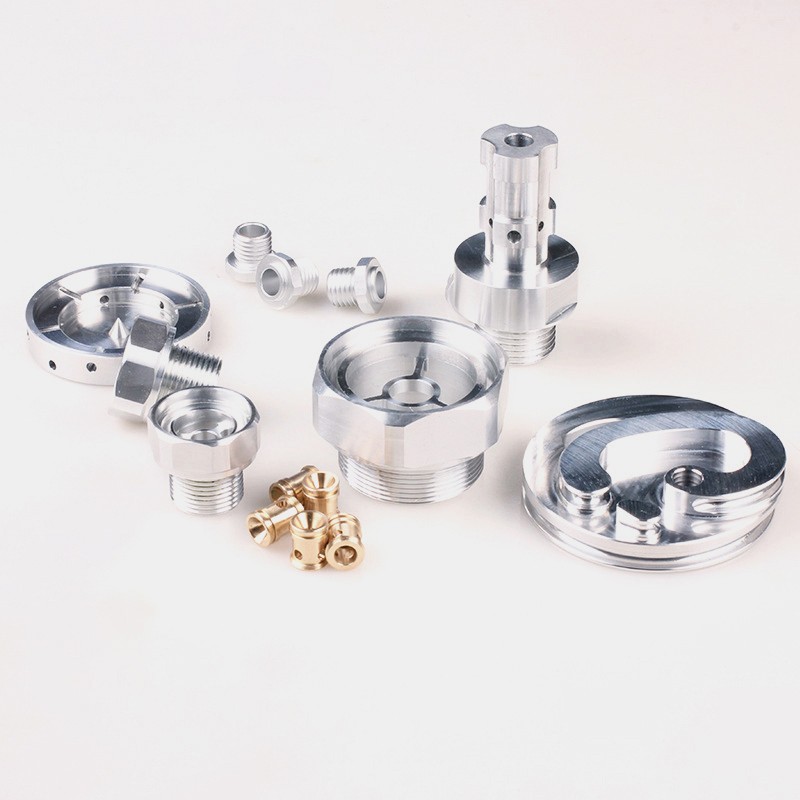
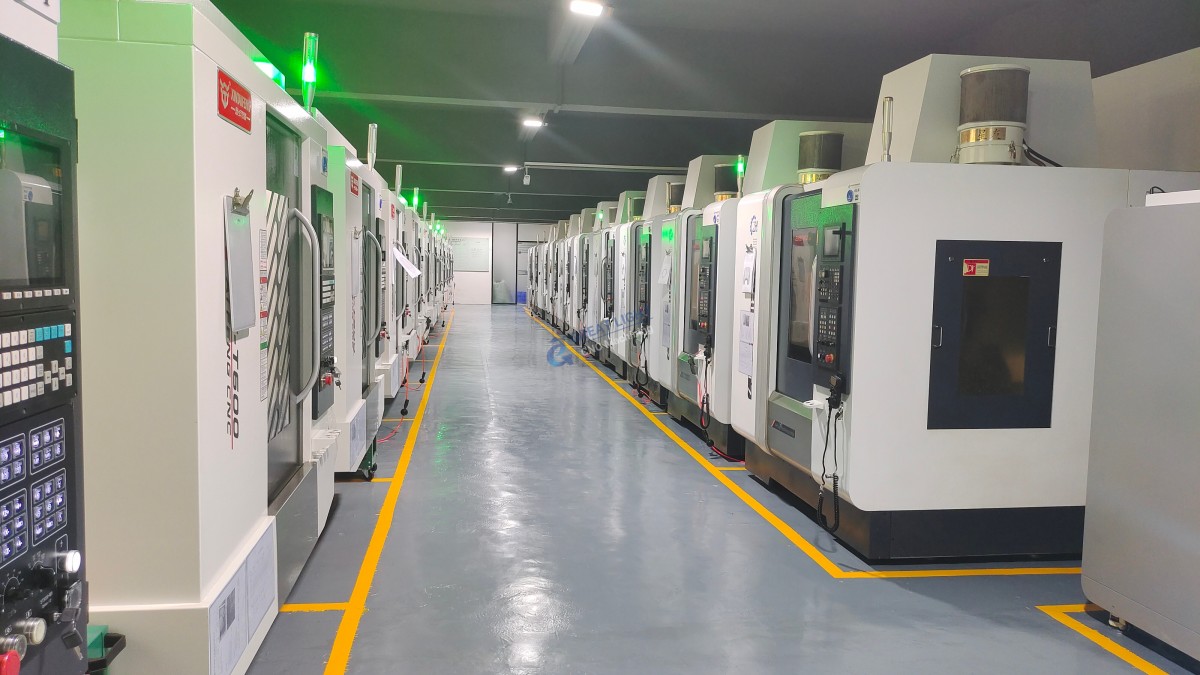
You gain access to a technical ecosystem that includes high-precision 5-axis machining centers, multi-axis mill-turn systems, EDM, and advanced 3D printing (SLM/SLA/SLS). This means your project is matched with the most technically appropriate and cost-effective process from the start.
You leverage a systematic quality framework built on international standards (ISO 9001, IATF 16949, etc.), which translates to predictable outcomes, thorough documentation, and reduced risk on your end.
You tap into deep engineering collaboration. Their team doesn’t just receive a file and press start; they analyze it for manufacturability, suggest optimizations, and plan the most efficient production strategy, often saving you time and money.
You benefit from integrated post-processing—everything from heat treatment and precision grinding to a wide array of surface finishes is handled in-house, ensuring quality control through the entire chain and simplifying your supply chain management.
In essence, you trade a single purchase order for a partnership that manages complexity, mitigates risk, and accelerates your time-to-market.
Conclusion: Mastering the Exchange for Long-Term Success
The trade for machined CNC parts service is ultimately a strategic decision. The most successful engagements are those where both parties view the relationship as a collaborative effort to solve a manufacturing challenge, not just a vendor-client transaction. By prioritizing technical depth, process integrity, and proactive communication over the lowest initial price, you secure a partnership that delivers not just parts, but reliability, innovation support, and peace of mind. In the precision-driven world of today’s manufacturing, choosing the right partner for this trade is one of the most critical investments you can make in your product’s future. To explore how industry leaders approach this partnership, you can learn more about their operational philosophy on platforms like LinkedIn.



















