
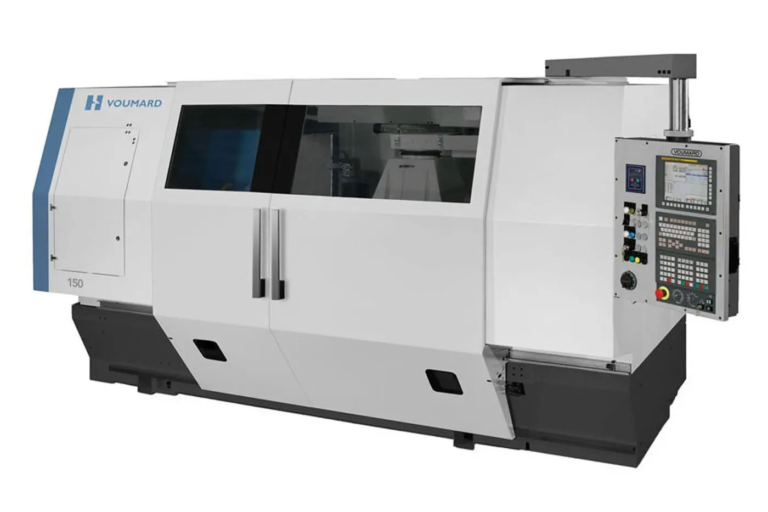
The Evolution of Forging Machines: A Journey Through Time and Technology
As the world continues to advance, the manufacturing industry has undergone significant transformations, driven by technological innovations and human ingenuity. Forging machines, in particular, have come a long way, evolving from simple manual operations to sophisticated, high-speed, and precision instruments. In this blog post, we’ll delve into the fascinating history of forging machines, tracing their development from ancient times to the present day.
The Early Days of Forging
The concept of forging dates back to ancient times, when humans and animals were used to operate simple bellows and hammers to shape and shape metal. The art of blacksmithing emerged, and craftsmen used their skills to create a wide range of products, from tools to implements, and even decorative pieces. TheIndustrial Revolution marked a significant turning point, as mechanical hammers and steam-powered machines began to replace human and animal power.
The Age of Steam and Hydraulics
In the 14th century, hydraulic hammers made their appearance, while the Industrial Revolution brought about a new era of steam-powered manufacturing. The 18th century saw the introduction of engines and steam trains, which necessitated the development of larger, more powerful forging machines. In 1842, British engineer Richard Nesmith created the first steam hammer, marking the beginning of the steam forging era. This innovation led to the development of larger, more complex forging machines, capable of shaping and forming a wide range of materials.
The Advent of Mechanical, Hydraulic, and Electric Presses
The 19th century saw the emergence of mechanical, hydraulic, and electric presses, which revolutionized the manufacturing process. Mechanical presses, like the ones invented by Brammer in England, allowed for faster and more precise shaping of materials. Hydraulic presses, with their ability to generate high pressure, enabled the production of complex shapes and intricate designs. Electric motors and automation further accelerated the development of forging machines, with various models and configurations optimized for specific applications.
Modern Forging Machines: A Symphony of Speed, Efficiency, and Precision
In the 1960s, the forging industry began to shift towards larger, more complex, and high-speed production lines. The introduction of high-speed presses, advanced hydraulic systems, and computer-controlled machines transformed the industry. Today, forging machines can produce a vast array of products, from simple hand tools to intricate aerospace components, at unprecedented levels of speed, efficiency, and precision.
The Many Types of Forging Machines
Forging machines have evolved to cater to specific industries and applications, resulting in a diverse range of specialized machines. Some of the most common types include:
- Forging Hammers: The most common and oldest form of forging machine, utilizing kinetic energy to shape and shape metal.
- Mechanical Presses: Powered by mechanical linkages or cam mechanisms, these presses offer a high level of precision and control.
- Hydraulic Presses: These machines use high-pressure fluids to generate immense force, offering exceptional precision and flexibility.
- Rotary Forging Presses: Combining forging and rolling, these machines achieve exceptional efficiency and precision while reducing deformation resistance.
The Future of Forging Machines: Trends and Innovations
As the manufacturing industry continues to evolve, forging machines must adapt to meet growing demands for speed, precision, and sustainability. Some of the key trends and innovations shaping the future of forging machines include:
- Digitalization and Automation: The integration of computer-controlled systems, artificial intelligence, and robotics will significantly enhance productivity and accuracy.
- Sustainable Manufacturing: The focus on environmental sustainability will drive the development of greener, more energy-efficient forging machines.
- Industry 4.0 and Smart Manufacturing: The convergence of advanced technologies, such as IoT, AI, and big data, will enable real-time monitoring, predictive maintenance, and efficient production planning.
Conclusion
The evolution of forging machines has been a remarkable journey, marked by innovations, breakthroughs, and advancements in technology. From simple manual operations to sophisticated, high-speed, and precision instruments, forging machines have come a long way. As the industry continues to evolve, it is crucial to stay at the forefront of research, development, and innovation to ensure that forging machines remain at the cutting edge of manufacturing capabilities.



















