
The Dawn of a New Era in Manufacturing: The Emergence of Composite Machining Technology
In today’s fast-paced world of manufacturing, the need for precision and efficiency has never been more crucial. With the advent of advanced technologies, the once-traditional machine tools are being replaced by innovative solutions that can meet the demands of complex part processing. Enter composite machining technology, a revolutionary approach that combines the best of both worlds – turning and milling – to produce unparalleled results.
The Turning Point: How It All Began
The concept of composite machining technology stems from the combination of CNC turning and milling operations. By integrating these two processes, manufacturers can now process complex parts with increased precision and efficiency. The core principle is simple: a workpiece is clamped to a pin, and the spindle drives it through a precise movement, eliminating the need for multiple transfers and minimizing the risk of error accumulation.
The Characteristics of Composite Machining Technology
So, what sets this technology apart from its predecessors? Here are some key characteristics that make it an ideal solution for manufacturers:
- High Efficiency: By streamlining the processing process, composite machining technology significantly reduces the time spent on parts transfer and assembly, thereby increasing productivity and decreasing production costs.
- Multifunctionality: These machines are equipped with multiple functions, including turning, milling, drilling, and tapping, making them adaptable to a wide range of applications and part sizes.
- Space and Cost Savings: With its compact design, composite machining technology reduces the floor space required, minimizing equipment investment and tooling needs.
- Automation and Intelligence: Many systems feature automatic tool changing capabilities, enabling automation and intelligence in processing, further enhancing production efficiency and reducing human error.
Real-World Applications: Industries That Stand to Benefit
Composite machining technology is not limited to a specific industry or sector. Its versatility and precision make it an excellent solution for various fields, including:
- Aerospace: Engine parts, turbine blades, and structural components of aircraft are all suitable applications for this technology.
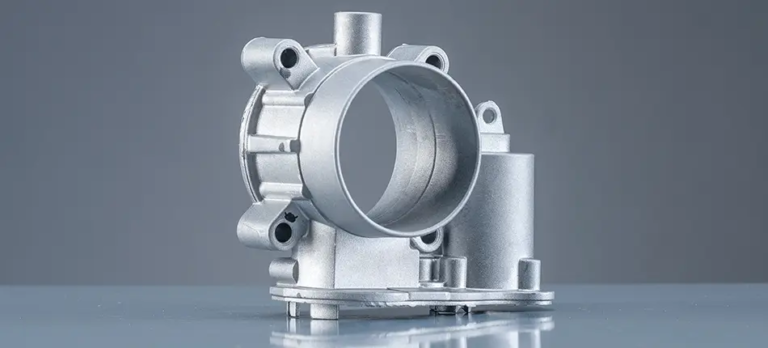
- Automotive Manufacturing: Engine cylinder blocks, lifter parts, wheel hubs, and intake collectors are just a few examples of the many applications in this sector.
- Mold Manufacturing: Injection molds, molding molds, and stamping molds require the precision and accuracy offered by composite machining technology.
- Precision Instruments and Medical Devices: High-precision accessories, such as instrumentation components and medical devices, can benefit from this technology’s exceptional accuracy.
- Other Industries: Hydraulics, electronics, bathroom fixtures, and lighting are just a few examples of sectors where composite machining technology can be applied.
In conclusion, composite machining technology marks a significant turning point in the manufacturing industry, providing a new era of precision, efficiency, and flexibility. As the demand for complex parts continues to grow, this technology is poised to revolutionize the way we produce, and its far-reaching impact will be felt across multiple industries and sectors.



















