
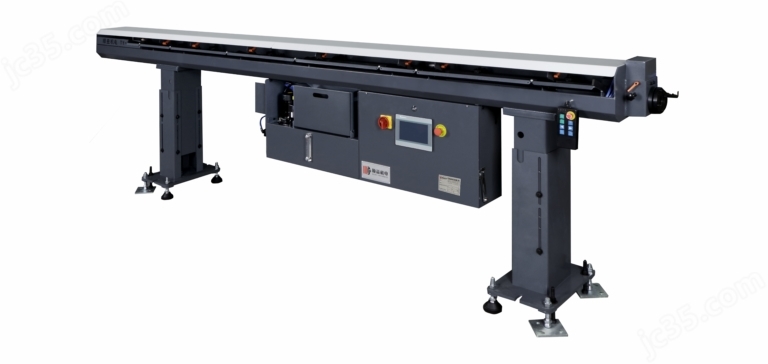
The Single Feeder: Revolutionizing Precision Part Production
In the world of mechanical treatment, the single feeder is a game-changer. Its widespread adoption in the manufacturing of precision parts, particularly in the production process of automotive, medical, electronic, and aerospace industries, has been nothing short of impressive. In this blog post, we’ll delve into the world of single feeders, exploring their benefits, work process, and applications.
The Work Process of the Single Feeder
The single feeder is a device that automatically supplies raw materials (usually metallic rods) to the treatment area, where they are cut and treated using mechanical or electrical devices. This automated process streamlines the production process, enhancing efficiency and accuracy.
The entire process can be broken down into four stages: preparation, power, treatment, and exhaustion. Here’s a detailed overview of each stage:
- Preparation: The operator places the metal rod in the material warehouse and defines the relevant parameters, such as supply speed and treatment length, using the CNC system.
- Power: The power system, controlled by the CNC system, begins to operate, feeding the metal rod from the material warehouse to the planned treatment area. The feeder provides precise positioning and a stable supply of the metal rod by accurately controlling the speed and position of the power supply.
- Treatment: Once the metal rod enters the treatment area, the feeder begins to perform precision treatment. The machine tool cuts the metal rod according to the set processing path, which is typically used for the treatment of precision parts, such as wires, holes, etc.
- Exhaust: Following treatment, the finished parts exit the treatment area, and the feeder continues to supply the next power cycle.
Benefits of the Single Feeder
The single feeder offers numerous benefits, including:
- Improved production efficiency: With automated feeding, manual labor time is significantly reduced, and production efficiency is enhanced, particularly in large-scale production.
- Ensured treatment accuracy: The single feeder accurately controls the power speed and raw material position, minimizing errors caused by manual food and ensuring precise treatment.
- Reduced labor costs: Automated operations reduce the need for manual intervention, decreasing labor costs and minimizing the occurrence of human errors.
- Improved safety: The single feeder is equipped with comprehensive safety features, effectively preventing accidents during operation and improving overall safety.
Fields of Application for Single Feeders
Single feeders have applications in various industries, including:
- Automotive manufacturing: In the automotive industry, single feeders are used to treat various precision parts, such as engine components, transmission system parts, etc.
- Medical device manufacturing: Medical devices require high-precision treatment, and single feeders are designed to handle these demands, producing components like medical needles and surgical instruments.
- Electronic manufacturing: Single feeders are also used in electronic manufacturing for precision parts, such as connectors and sensors.
- Aerospace: The aerospace industry, with its stringent requirements for precision and reliability, also benefits from the use of single feeders.
In conclusion, the single feeder is a versatile device that has revolutionized the production process of precision parts in various industries. Its potential to improve production efficiency, ensure accuracy, reduce labor costs, and enhance safety makes it an indispensable tool for companies seeking to maintain a competitive edge. By exploring the benefits and applications of the single feeder, manufacturers can streamline their production processes and produce high-quality products with precision and reliability.



















