
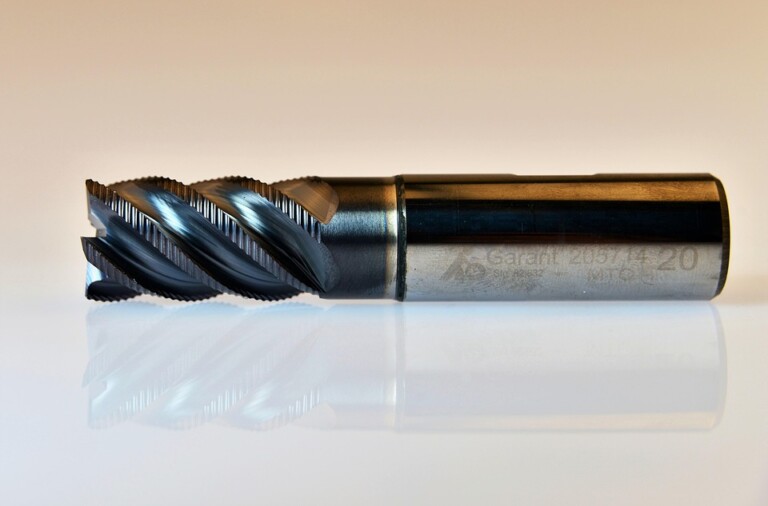
Unlocking Surface Perfection: The Revolutionary Power of Mirror Rolling Technology
What is Mirror Rolling Technology?
Mirror rolling is a groundbreaking chipless cold-forming process used in precision metalworking. Unlike traditional machining methods that remove material (like turning or milling), mirror rolling applies extreme pressure via hardened rolling tools to the surface of a component. This induces controlled plastic deformation at room temperature, reshaping microscopic peaks and valleys on the metal surface. The result? A mirror-like finish with transformative improvements in:
- Surface roughness (reaching Ra 0.2–0.8)
- Dimensional accuracy (±0.003 mm)
- Mechanical properties (hardness, wear resistance)
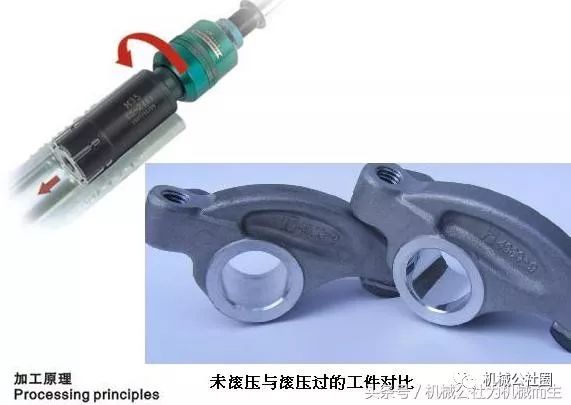
Left: Rough-turned surface (Ra 1.6–3.2). Right: Mirror-rolled finish (Ra 0.2–0.8).
How Mirror Rolling Outperforms Conventional Machining
Traditional methods like turning or milling struggle to achieve surface finishes below Ra 1.0. Grinding or electrical discharge machining (EDM) can reach this—but at high costs and complexity. Mirror rolling disrupts this paradigm:
- No Material Waste: As a chipless process, it eliminates swarf, reducing material costs.
- Simplified Workflow: Operators achieve micron-level precision using standard equipment (e.g., drill presses)—no CNC expertise needed.
- Cost Efficiency: Tooling costs are 10–100x lower than grinding or EDM.
- Durability Gains: Surface hardness increases by 15–30%, and wear resistance improves by 15%.
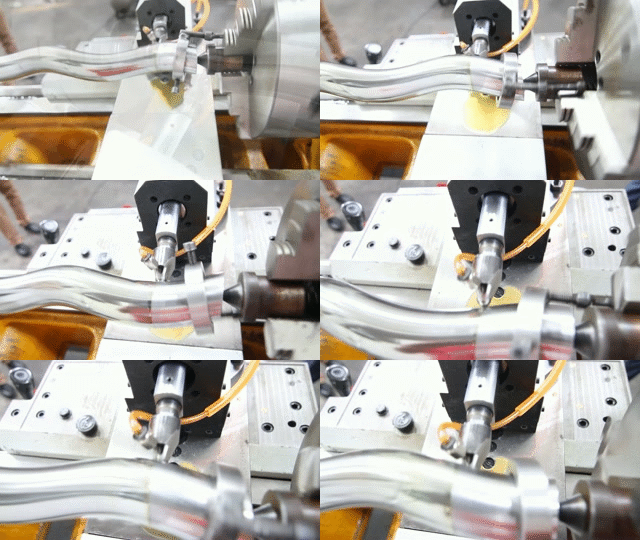
Animation: The mirror rolling process using a precision roller tool.
Engineering Benefits: Beyond Surface Deep
The magic of mirror rolling lies in subsurface metamorphosis:
Residual Compressive Stress: Rolling introduces compressive layers that:
- Seal micro-cracks
- Inhibit corrosion penetration
- Delay fatigue-crack propagation
- Extend component lifespan (critical for hydraulic cylinders or bearings).
Dimensional Stability: Achieves consistent tolerances (±0.003 mm) without CNC—accuracy is tool-dependent and adjustable.
- Material Versatility: Ideal for steels (e.g., 45# steel), cast iron, and non-ferrous alloys.
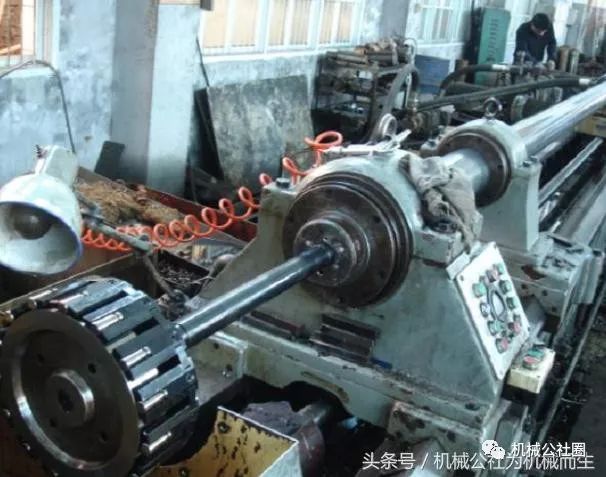
Hydraulic cylinder rolling tool for large-diameter components.
Critical Process Parameters: Avoiding Pitfalls
Success hinges on meticulous pre-rolling preparation:
1. Material Hardness
- Max HRC 37–40: Harder materials (e.g., HRC 45+) increase radial force by 20%, accelerating tool wear and causing size drift.
- Avoid: Surface hardening pre-rolling—uneven hardness distorts results.
2. Surface Integrity
- Flaws like pores, inclusions, or voids in castings trigger post-rolling cracks.
- Dust or debris accelerates tool degradation.
3. Diameter Allowance
- Oversized Pre-Forms: Excess material causes buckling in thin-walled parts (<5 mm).
- Undersized Pre-Forms: Insufficient metal flow leads to undersized dimensions.
Precision rolling tools with adjustable diameters for customized sizing.
Applications: Where Mirror Rolling Shines
- Hydraulic/Pneumatic Rods: Enhances seal longevity via ultra-smooth surfaces.
- Bearings & Shafts: Boosts fatigue resistance in rotating components.
- Aerospace Fasteners: Combines light weighting with hardened surfaces.
- Medical Implants: Biocompatible finishes without hazardous debris.
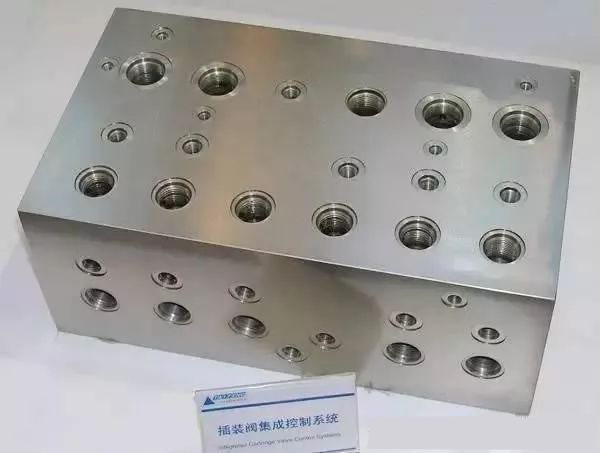
Fluid connectors post-mirror rolling—note the optical-grade surface.
Why This is a Game-Changer for Machining Shops
Mirror rolling democratizes high-precision manufacturing:
- Low Barrier to Entry: Mastered by drill-press operators in days.
- Competitive Edge: Small shops rival OEMs in finish quality while slashing costs.
- Sustainability: Reduced waste, energy, and consumables vs. grinding/EDM.
Final Thoughts
Mirror rolling isn’t just another finishing step—it’s a fundamental rethinking of metal enhancement. By harnessing cold deformation, it delivers unmatched surface integrity, durability, and precision without prohibitive investments. For manufacturers eyeing higher margins and superior part performance, integrating mirror rolling is a strategic imperative. As industries push toward tighter tolerances and greener processes, this technology stands poised to redefine standards across aerospace, automotive, and medical sectors.
Ready to transform your machined components? The future is smooth.



















