
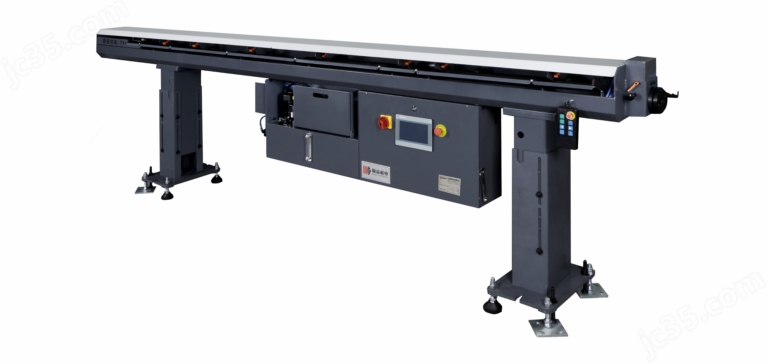
Revolutionizing Industrial Production: The Versatility of Oil Film Feeders
In the realm of industrial production, the demand for machinery that can provide precise and stable power supply is ever-increasing. One such instrument that has been gaining popularity in recent years is the oil film feeder, also known as an oil film type conveyor or oil lubricated conveyor. This automated power equipment is a crucial component in various industries, including metal transformation, plastic treatment, paper processing, electronic manufacturing, and packaging. In this article, we will delve into the working mechanism, components, and applications of oil film feeders, highlighting their significance in improving production efficiency, reducing labor costs, and ensuring high reliability and stability.
Principle of Operation
An oil film feeder relies on the lubricating effect of a thin layer of oil to stabilize the material in a fixed position, preventing jamming or damage during the production process. This innovative technology ensures smooth and efficient transfer of materials, making it an indispensable tool in high-precision and high-demand treatment environments.
Components of an Oil Film Feeder
An oil film feeder consists of several key components that work in harmony to achieve its core function:
- Power Roll: The heart of the oil film feeder is the power roll, a central component that transmits the material to the next process while rolling. The surface of the power roller is typically made of wear-resistant and oil-resistant materials to ensure optimal lubricity and stability over an extended period.
- Lubricant System: A critical component, the lubricant system regulates the supply of lubrication oil to maintain the optimal oil film on the power roll’s surface. This system usually comprises essential components such as oil pumps, oil pipes, and oil filters to ensure a uniform supply and circulation of the lubricant.
- Sensor and Control System: The sensor monitors the oil film feeder’s operational state in real-time, tracking parameters such as material positions, power speed, and oil film thickness. The control system, controlled centrally via a Programmable Logic Controller (PLC), adjusts supply parameters in real-time to maintain precision and stability.
- Drive System: The drive system, which includes an engine, reducer, and transmission device, powers the power roll or treadmill. This enables the oil film feeder to efficiently manage materials of varying weights and sizes by providing the required torque.
- Frame and Support Structure: The durable frame and support structure are responsible for holding the entire machine together and maintaining stability during operation. The frames are often crafted from high-strength steel to boost their durability and resistance to compression.
Applications and Industries where Oil Film Feeders Secrete a Surprising Service
The versatility of oil film feeders has rendered them indispensable in an array of industries, each demanding precision and stability in the supply of their raw materials. Here are just a few examples:
- Metal Processing and Transformation Industry: In this context, oil film feeders are involved in the automatic supply and transmission of materials, especially in delicate processes like punching, shearing, and forming. This enhances stability and aids in preventing wear and tear on metal components.
- Paper Processing Industry: The paper processing industry has tight requirements for precision and stability, which oil film feeders fulfill perfectly. They assure effortless transfer of paper during cutting, printing, and recycling, reducing the risk of folds, cuts, and damage to the paper.
- Electronics Industry: The production of precise electronic components necessitates stability during the power supply to prevent deformation or damage to components. Oil film feeders meet this requirement, ensuring that electronic components are processed securely and efficiently.
- Packaging Industry: This cottage industry utilises an oil film feeder to transmit packaging materials, including boxes, plastic bags, and others. The oil film lubrication reduces wear on the materials during transit, thereby improving production efficiency.
Understanding the significance of oil film feeders in modern industrial production is just the beginning. Investing in such equipment can unlock significant gains in efficiency, labor cost savings, and long-term reliability, all of which are vital to remaining competitive in today’s demanding business environment.



















