
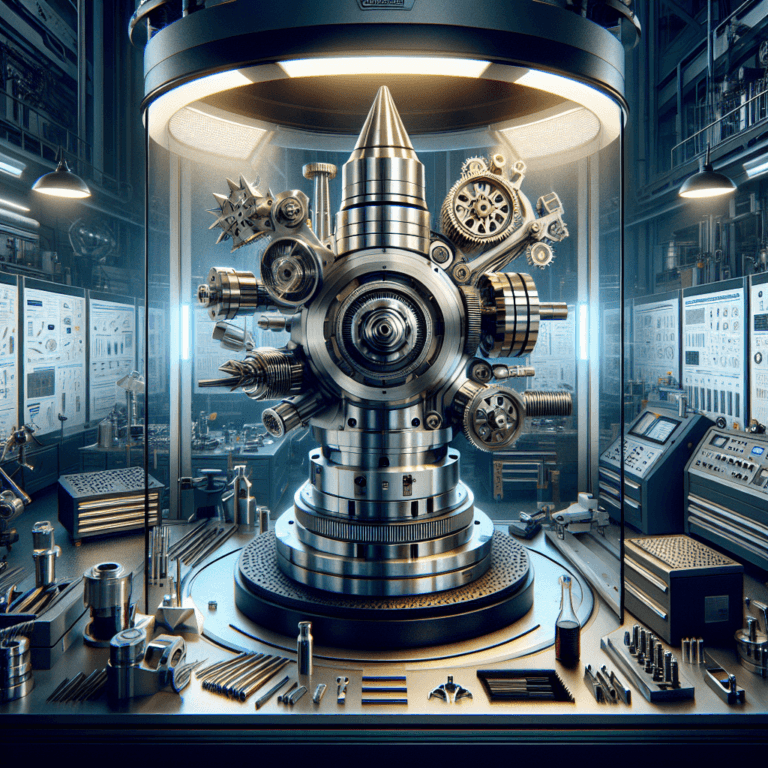
Introduction to Splined Shaft Grinders
In the realm of precision manufacturing, the tools and machinery used play a pivotal role in determining the quality and accuracy of the finished products. Among these vital instruments, the splined shaft grinder stands out for its unique capacity to perform complex processes with unmatched accuracy. This grinding machine is tailored to produce precise splines on shafts, making it essential for various industries, including automotive, aerospace, and heavy machinery.
Understanding Splined Shafts and Their Applications
A splined shaft is a mechanical component characterized by a series of grooves or ridges that run along its length. These splines allow for the transfer of torque between components, ensuring a secure connection without slippage. Common applications include power transmission systems, drive shafts, and gear assemblies.
The production of splined shafts requires stringent tolerances to function effectively. As a result, the use of specialized equipment like splined shaft grinders is paramount in ensuring that these tolerances are met consistently.
Key Features of Splined Shaft Grinders
Splined shaft grinders are designed with several critical features that enhance their precision and efficiency:
-
Automated Control Systems: Modern splined shaft grinders come equipped with advanced CNC (Computer Numerical Control) systems, allowing operators to program specific grinding paths and parameters. This automation minimizes human error and increases production rates.
-
Multi-Surface Grinding Capabilities: These machines can grind multiple surfaces simultaneously, optimizing time without compromising on quality. This is especially important in high-volume manufacturing environments.
-
Flexible Workholding Solutions: Splined shaft grinders often feature customizable workholding solutions to accommodate different shapes and sizes of shafts. This flexibility ensures that manufacturers can optimize their operations according to varying production needs.
-
High-Quality Grinding Wheels: Equipped with premium grinding wheels, these grinders provide superior surface finish and dimensional accuracy. The choice of grinding wheels is crucial as it influences the overall efficiency and performance of the grinding process.
- Measurement and Inspection Integration: Many modern splined shaft grinders are integrated with automated measurement systems that allow for in-process inspection. This capability ensures that any deviations from the desired specifications can be quickly identified and rectified.
The Manufacturing Process of Splined Shafts
The grinding of splined shafts involves several steps, each designed to ensure that the final product meets the necessary specifications. Here’s an overview of the typical manufacturing process using a splined shaft grinder:
-
Material Preparation: Initially, raw materials, often steel or aluminum, are selected based on the application requirements. These materials are cut into blanks, which will later be processed into splined shafts.
-
Blank Machining: The blanks are machined to the required dimensions, removing excess material and preparing them for the grinding process. This stage may involve different machining methods such as turning, milling, or broaching.
-
Grinding: The core step in the manufacturing process, the splined shaft grinder shapes the blank into the desired spline configuration. CNC programming enables precision control over the grinding heads, allowing them to carve out the splines accurately.
-
Finishing: Following the initial grinding, a secondary finishing operation might be performed to enhance the surface quality and dimensional accuracy further. Polishing or fine grinding can be included in this stage.
- Quality Assurance: Before moving to assembly, the splined shafts undergo rigorous quality inspection to ensure they meet the required tolerances. Measurement tools and techniques, including coordinate measuring machines (CMM) and gauges, are used in this phase.
Advantages of Using Splined Shaft Grinders
The importance of splined shaft grinders in the manufacturing process cannot be overstated. Here are some of the key advantages they offer:
-
Precision and Accuracy: Splined shaft grinders enable manufacturers to achieve high levels of precision, which are often required to ensure compatibility with mating components. This leads to enhanced performance and lifespan of the assembled systems.
-
Efficiency and Speed: By automating the grinding process, manufacturers can significantly reduce production times while maintaining or even improving quality. This efficiency translates into lower production costs and increased competitiveness in the market.
-
Versatility: Given their customizable nature, these grinders can adapt to different production runs, whether they involve small quantities or high-volume batches. This flexibility makes them an attractive option for manufacturers across various industries.
- Reduced Waste: The precision of splined shaft grinders leads to less material waste during the manufacturing process. This not only saves costs but also aligns with sustainability goals, a growing focus for many businesses in today’s eco-conscious market.
Challenges and Considerations in Using Splined Shaft Grinders
While splined shaft grinders offer numerous benefits, they also present certain challenges that manufacturers need to navigate:
-
Initial Investment: Acquiring a high-quality splined shaft grinder can require a significant initial investment. However, many manufacturers find that the long-term benefits and cost savings justify this expense.
-
Operator Skill Level: Efficient operation of splined shaft grinders necessitates skilled personnel who are well-versed in the complexities of CNC programming and setup. Continued training and development of staff are crucial for maintaining optimal performance.
-
Maintenance Requirements: Regular maintenance is essential to keep grinders functioning at peak levels. Neglecting maintenance can lead to mechanical failures, affecting production schedules and costs.
- Technology Integration: With continuous advancements in technology, manufacturers must stay updated on the latest features and capabilities to reap the full benefits of their splined shaft grinders.
Conclusion
In the competitive landscape of precision manufacturing, the splined shaft grinder exemplifies a critical tool that facilitates high-quality production. By ensuring accuracy, efficiency, and adaptability, it empowers manufacturers to meet the stringent demands of varied industries while maintaining cost-effectiveness.
Investing in a splined shaft grinder can significantly enhance a manufacturer’s operational capabilities, productivity, and market positioning. As technologies advance, continued innovation in grinder design and functionality promises to further bolster the role of these essential tools in the future of manufacturing. For manufacturers aiming to thrive in today’s environment, understanding and utilizing splined shaft grinders is not merely an option — it is essential for success.
Final Thoughts on the Significance of Splined Shaft Grinders
As industries evolve, so too does the need for sophisticated solutions that can tackle complex manufacturing challenges. Investing in high-quality splined shaft grinding technology is a strategic move for manufacturers dedicated to precision, reliability, and excellence in their products. By embracing the capabilities of this essential tool, they can ensure their place at the forefront of their respective markets.
Daguang focuses on providing solutions such as precision CNC machining services (3-axis, 4-axis, 5-axis machining), CNC milling, 3D printing and rapid prototyping services.



















