
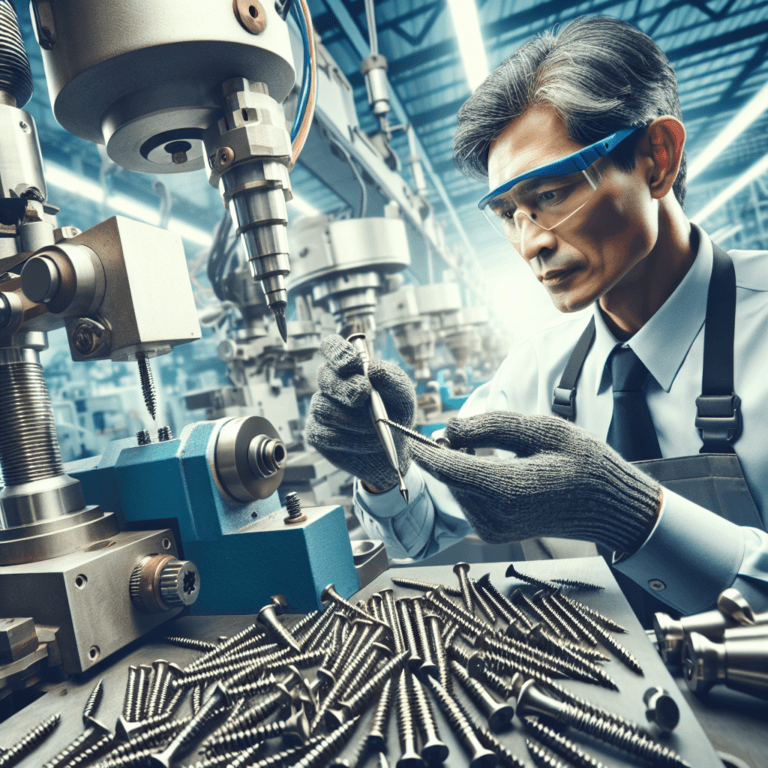
Screw grinders have become a cornerstone of precision manufacturing in various industrial sectors. This versatile tool boasts a unique ability to transform raw materials into finely crafted components, showcasing the intersection of technology, artistry, and craftsmanship. In this article, we will delve into the world of screw grinders, their mechanisms, applications, and the unparalleled precision they bring to the manufacturing process.
## Understanding Screw Grinders
To appreciate the significance of screw grinders, it’s important to understand what they are and how they function. A screw grinder, essentially a type of grinding machine, employs a rotating screw mechanism to convert raw materials—typically metal or plastic—into a desired shape or size. The grinding process utilizes an abrasive surface that gradually removes material, ensuring that the finished product meets the exact specifications required by various industries.
The different types of screw grinders include horizontal, vertical, and CNC (computer numerical control) models. Each type is designed for specific applications, providing manufacturers with a level of flexibility and precision that can be tailored to their unique production needs. The CNC screw grinders, in particular, offer unparalleled accuracy due to their programmable settings, allowing operators to manufacture complex geometries with remarkable consistency.
## The Mechanics Behind Precision Grinding
At the heart of every screw grinder is its meticulous grinding mechanism. The screw and abrasive materials work in tandem to achieve a high-quality finish. The precision of a screw grinder lies in several factors:
### 1. Abrasive Materials
The choice of abrasive material is crucial. Commonly used abrasives include aluminum oxide, silicon carbide, and diamond. Each material has distinct properties that influence the grinding process. For example, diamond abrasives are known for their hardness and ability to produce smooth finishes, making them ideal for grinding hard metals.
### 2. Screw Mechanism
The screw mechanism plays a vital role in determining the efficiency of the grinding process. The design of the screw affects how the material is fed into the grinder, the speed at which it moves, and the amount of pressure applied during grinding. Precision-engineered screws lead to more uniform grinding, reducing the likelihood of defects in the finished product.
### 3. Control Systems
Modern screw grinders often incorporate sophisticated control systems that allow for fine-tuning of the grinding parameters. These control systems can be operated through CNC programming, providing manufacturers with the ability to adjust variables such as speed, feed rate, and depth of cut. This level of control is essential for producing components that meet precise tolerances.
## Applications Across Industries
Screw grinders are employed in various industries due to their versatility and ability to produce high-quality finishes. Here are a few notable applications:
### 1. Aerospace Industry
In the aerospace sector, precision is paramount. Components such as turbines, gears, and structural parts require meticulous manufacturing processes to ensure safety and performance. Screw grinders are integral in shaping these complex components, allowing for tight tolerances and superior surface finishes.
### 2. Automotive Manufacturing
The automotive industry relies heavily on screw grinders to produce various parts ranging from engine components to transmission systems. The ability to machine durable materials quickly and efficiently makes screw grinders an invaluable asset on the production line.
### 3. Medical Device Manufacturing
In the medical field, components often must meet stringent regulatory standards. Screw grinders are essential for producing intricate and high-performance parts for medical instruments, implants, and devices. The precision and repeatability offered by these machines ensure that manufacturers can adhere to compliance standards while maintaining product quality.
### 4. Electronics
The electronics industry also benefits from screw grinding technology, particularly in the production of connectors, circuit boards, and other small components that require precise dimensions and surfaces. The ability to work with fine tolerances is crucial in products where even minute deviations can lead to malfunction or failure.
## Benefits of Screw Grinders in Manufacturing
The advantages of incorporating screw grinders in precision manufacturing extend beyond mere refinement. Here are some key benefits:
### 1. High Precision and Accuracy
One of the most significant benefits of screw grinders is their capability to achieve high levels of precision and accuracy. This feature is essential in industries where tolerances matter immensely, allowing manufacturers to produce parts that fit seamlessly into larger assemblies.
### 2. Enhanced Surface Finish
Screw grinders can produce superior surface finishes, which are often necessary for both aesthetic and functional reasons. A smooth surface can prevent wear and improve the longevity of components, while also enhancing the overall appearance of finished products.
### 3. Increased Efficiency
Incorporating screw grinders into manufacturing processes can lead to increased efficiency. These machines can operate at high speeds and often require less manpower than traditional methods. As a result, they contribute to shorter production times and reduced labor costs.
### 4. Flexibility in Design
With CNC capabilities, screw grinders can be quickly adjusted to accommodate different designs and specifications. This flexibility allows manufacturers to respond rapidly to changes in market demand or client requests, paving the way for innovation and custom solutions.
### 5. Cost-Effective Production
While the initial investment in screw grinding machinery can be substantial, the long-term benefits often outweigh these costs. By improving efficiency, reducing waste, and enhancing product quality, manufacturers can find themselves in a stronger competitive position.
## The Future of Screw Grinding Technology
The advancements in screw grinding technology continue to evolve, driven by the industry’s need for greater precision and efficiency. Emerging trends include the integration of artificial intelligence (AI) and machine learning, which allow for predictive maintenance, optimization of grinding parameters, and real-time monitoring of the production process.
Furthermore, the rise of additive manufacturing and hybrid machining processes presents new challenges and opportunities for screw grinders. As manufacturers seek to combine traditional machining with additive methods, screw grinders will play a crucial role in refining and finishing components to achieve high-quality results.
## Conclusion
Screw grinders are the industrial artisans of precision manufacturing, marrying advanced engineering with the artistry of craftsmanship. Their ability to produce complex, high-quality components has made them indispensable in various industries, from aerospace to electronics. As technology advances, the future of screw grinders looks promising, with innovations set to further increase their efficiency and precision.
In today’s ever-evolving market, the demand for accurate, efficient, and cost-effective manufacturing processes remains high. Screw grinders offer a reliable solution, ensuring that the intricacies of design and the principles of precision come together seamlessly, enabling industries to craft the future, one finely-tuned component at a time. Whether you’re a seasoned manufacturer or exploring options for precision engineering, screw grinders stand out as vital tools in the pursuit of excellence in production.
Daguang focuses on providing solutions such as precision CNC machining services (3-axis, 4-axis, 5-axis machining), CNC milling, 3D printing and rapid prototyping services.



















