
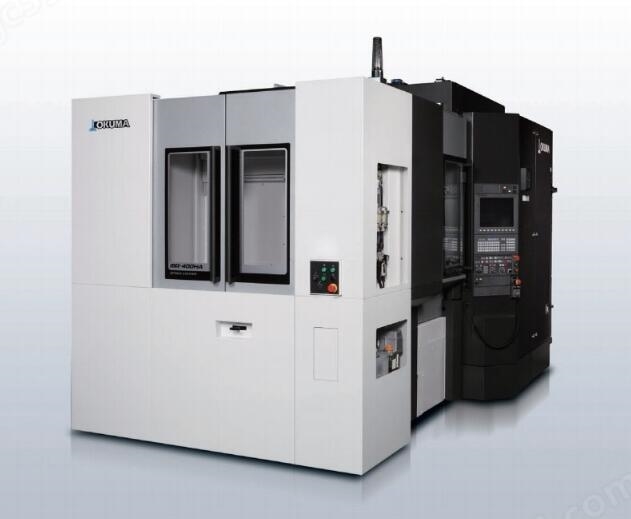
Mastering the Art of Positioning the Center of the Okuma Horizontal Machining Center: A Comprehensive Guide
As an operator of an Okuma horizontal machining center, ensuring the precise positioning of the center is crucial to achieve high-quality machining results. This article will delve into the intricacies of finding the center of the Okuma horizontal machining center, providing a step-by-step guide on how to master this essential skill.
Preparation is Key
Before embarking on the process, it is essential to prepare the necessary tools and equipment. Make sure to gather the following items:
- Dial meters
- Magnetic meter seats
- Standard mandrels
- Edges
Additionally, inspect the equipment to ensure it is functioning properly, and each axis is in a normal working state. It is also vital to tighten the mandrel or standard part to the workbench, ensuring it is parallel to the work surface.
Finding the Center: Two Effective Methods
Okuma horizontal machining centers employ two primary methods for finding the center: the figure method and the edgefinder method. Both methods will be discussed in detail below.
Method 1: Figure Method
- Install the dial table on the magnetic meter support and absorb the magnetic holder on the spindle.
- Adjust the position of the dial meter to contact the side of the mandrel or the standard room, and pre-press a specific pin.
- Rotate the spindle manually and observe the swing of the dial indicator pointer.
- Refine the position of the part according to the stereo direction of the dial indicator pointer, until the spindle turns for a trick, and the amount of swing of the pointer is within the eligible range.
- Register the coordinates: Once the center is found, save the value of the current coordinates of the tool as a reference for subsequent processing.
Method 2: Edgefinder Method
- Install the on-board researcher on the spindle.
- Move the spindle so that the on-board researcher contacts the side of the chuck or the standard room.
- Set the zero point on the configuration panel of the tool machine, defining the coordinate of the current axis on the zero point.
- Turn the spindle 180 degrees to ensure the on-board researcher contacts the other side of the room.
- Calculate the Allowance Center: The machine-tool control system will automatically calculate and display the coordinates of the ignition center.
Best Practices and Operational Considerations
To ensure optimal performance and prevent damage to equipment, it is essential to:
- Adhere to operating procedures during operation, avoiding collisions and damage to equipment.
- Perform precision control, checking the pre-contribution volume of the dial meter and part adjustment volume to guarantee accuracy.
- Regularly calibrate the dial counter, on-board researcher, and other tools to maintain precision.
- Accumulate experience and skills through continuous operation and troubleshooting, as finding the center requires both technical know-how and hands-on expertise.
Conclusion
In conclusion, the precise positioning of the center is the linchpin for achieving high-quality machining results on an Okuma horizontal machining center. By mastering the figure method and edgefinder method, operators can quickly and accurately find the center, laying the foundation for subsequent processing. In real-world operation, it is crucial to choose the most suitable positioning method according to specific circumstances, while adhering to operating procedures and precision control to ensure the quality and efficiency of processing.
[Illustration: A high-quality image of the Okuma horizontal machining center]
About the Author:
[Your Name], a seasoned industry expert with extensive knowledge of machining centers and their operation, has written this comprehensive guide to help operators optimize their performance on the Okuma horizontal machining center.



















