
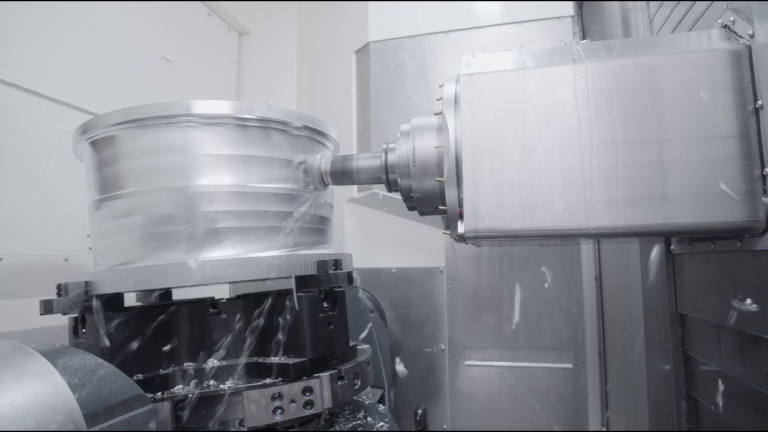
The Night Vision Goggle Housing CNC machining process is a critical, high-stakes endeavor that marries advanced materials, precision engineering, and rigorous quality controls. When every gram counts, every seal must hold, and dimensional accuracy directly impacts mission readiness, the housing that encases sensitive electro-optical components becomes far more than a simple enclosure—it is a strategic asset. For defense contractors, law enforcement equipment providers, and outdoor sporting brands, the transition from a 3D model to a fully functional, battlefield-ready housing involves navigating a maze of technical challenges. At GreatLight Metal Tech Co., LTD., we have spent over a decade refining the art and science of producing these sophisticated components, transforming complex design intents into robust, lightweight, and impeccably finished housings that perform under the harshest conditions.
The Unique Challenges of Night Vision Goggle Housing CNC Machining
Unlike standard consumer electronics enclosures, a night vision goggle (NVG) housing must simultaneously deliver structural rigidity, minimal weight, thermal stability, and environmental sealing. The design often incorporates intricate internal channels for wiring, boss mounts for lenses and image intensifier tubes, battery compartments, and attachment rails for helmet mounts or head harnesses. Achieving all this within a single, coherent chassis demands an extraordinary level of manufacturing sophistication.
Tolerances That Define Performance
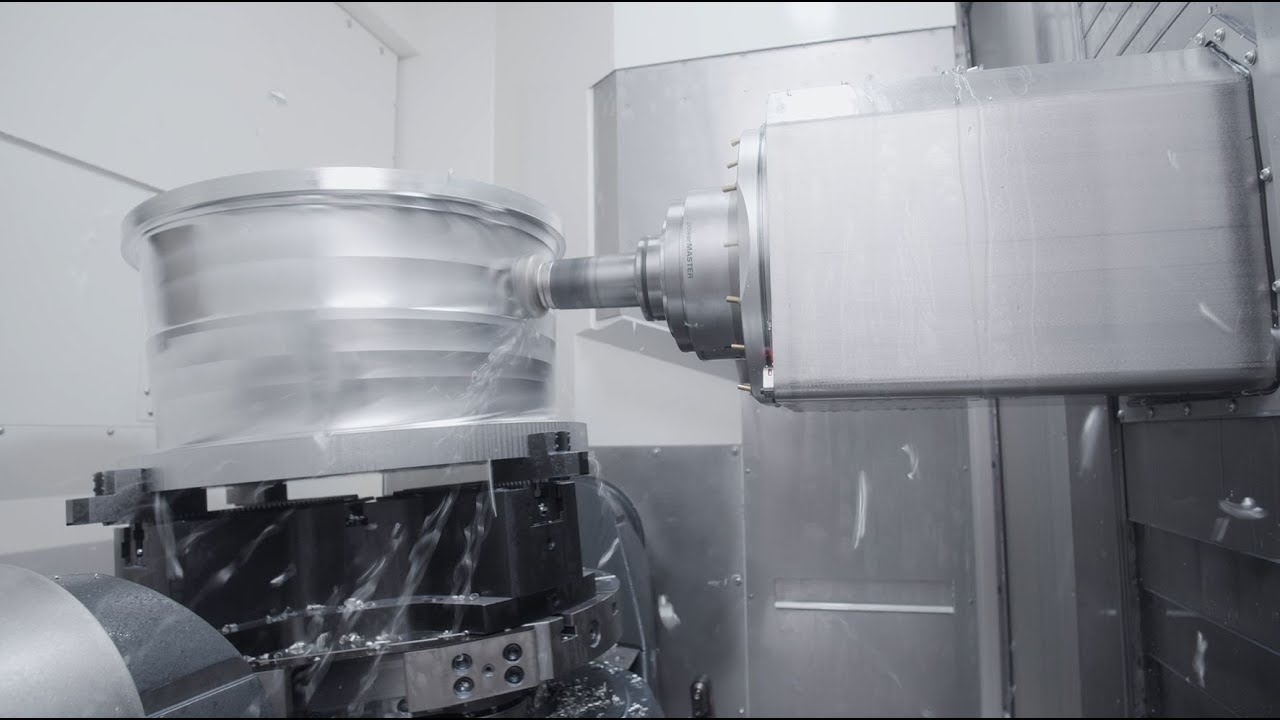
The optical alignment within an NVG is unforgiving. Micron-level deviations in mounting surfaces for lenses or sensor arrays can cause image shift, parallax errors, or even mechanical interference during assembly. Typical specifications call for positional tolerances of ±0.025 mm (0.001″) or better on critical bores and mating planes. Achieving this consistently—batch after batch—requires not just advanced machine tools, but a deeply ingrained quality culture. GreatLight operates a fleet of high-precision 5-axis CNC machining centers (including brands like Dema and Beijing Jingdiao) that maintain volumetric accuracy well within a few microns. Complemented by in-house CMM inspection and laser scanning, every housing is verified against the original CAD model before release.
Weight Reduction Without Compromise
Modern night vision systems are pushing boundaries in weight reduction to reduce operator fatigue. This drives material choices toward aerospace-grade aluminum alloys (such as 7075-T6) or, increasingly, magnesium alloys and hybrid composites. Magnesium is notoriously challenging to machine due to its flammability and chip management requirements, demanding specialized fire suppression systems and chip evacuation strategies. GreatLight’s dedicated magnesium machining cells and expertise in handling reactive materials ensure safe, high-yield production.
Environmental Sealing and Surface Integrity
An NVG housing must be airtight, waterproof to IP67 or higher standards, and resistant to corrosion from sweat, salt spray, and chemical agents. This goes beyond mere gasket grooves; the housing itself must be free of micro-porosity, stress risers, or surface flaws that could initiate corrosion. Our post-processing capabilities—including hard anodizing, chem-film (MIL-DTL-5541), and sealed powder coating—are all performed under one roof, eliminating the risk of miscommunication between subcontractors and ensuring a homogeneous surface treatment that bonds perfectly to the meticulously machined substrate.
Material Selection: Engineering the Right Foundation
The choice of material for a night vision goggle housing is a balancing act of mechanical properties, weight, thermal behavior, and cost. Let’s examine the primary contenders:
Aluminum 6061-T6: Excellent corrosion resistance, good machinability, and moderate strength. Ideal for commercial-grade or law enforcement NVG units where cost sensitivity is high.
Aluminum 7075-T6: Higher strength and hardness, comparable to many steels, but with greater galvanic corrosion risk. Preferred for military applications requiring shock resistance.
Magnesium AZ31B or ZK60: Lowest density (~1.8 g/cm³), excellent vibration damping, but requires specialized processing. Often used in helmet-mounted systems where every gram saved translates to operational endurance.
Titanium Ti-6Al-4V: The ultimate in strength-to-weight ratio, but expensive and demanding to machine. Typically reserved for special operations equipment where cost is secondary.
At GreatLight, we don’t just machine the material; we engineer the entire manufacturing process around it. Our metallurgical understanding allows us to recommend optimal heat treatment conditions (T6, T73, etc.) and stress-relief steps that prevent warpage during machining of thin-walled sections common in housing shells.
Precision Machining Strategies for Night Vision Goggle Housing CNC
Successfully producing these housings hinges on the marriage of advanced CAM programming and skilled machine operation. Here’s how we approach the most demanding features:
5-Axis Simultaneous Machining for Complex Surfaces
The organic, contoured exterior of a typical NVG housing is designed to minimize snagging and provide ergonomic grip. Such freeform surfaces cannot be efficiently produced on 3-axis equipment. We employ 5-axis CNC machining with simultaneous movement to continuously align the cutting tool with the surface normal, achieving smooth finishes without the scallop marks left by indexed 3+2 machining. This is where our investment in premium 5-axis platforms pays off—the dynamic precision and kinematics of these machines allow us to maintain tight blends and corner radii that define the final visual and tactile quality.
Deep Pocketing and Thin-Wall Ribbing
To house the optical train, NVG bodies often feature deep, narrow pockets and thin internal ribs for reinforcement. Chatter control is paramount; otherwise, surface finish suffers and tool life plummets. Our programmers leverage advanced toolpath strategies like dynamic trochoidal milling and peel milling, combined with high-performance carbide end mills with proprietary coatings, to evacuate chips rapidly and keep cutting forces low. We also routinely use vibration-damping tool holders and inspect tool wear adaptively using in-process probe cycles.
Interoperability with Additive Manufacturing for Prototyping
Before committing to expensive billet machining, many clients need functional prototypes to validate fit and form. GreatLight bridges this gap with metal 3D printing (SLM) of aluminum or titanium. A prototype housing can be printed overnight, heat treated, and then machined on critical interfaces to exact tolerances. This hybrid approach slashes development time from weeks to days and allows for design iteration without the sunk cost of hard tooling. Once the design is frozen, we seamlessly transition to production CNC machining or, if volumes justify, die casting with CNC finishing.
Why a One-Stop Manufacturing Partner is Critical
A night vision goggle housing is rarely just a machined part. It requires threading inserts, helicoils, laser engraving of markings, anodizing, and sometimes even assembly of bearings or electronic connectors. Fragmented supply chains—one shop machines, another does finishing, a third handles engraving—create logistical delays, quality gaps, and a diffusion of responsibility. GreatLight operates a comprehensive one-stop post-processing and finishing ecosystem under one 76,000 sq. ft. roof, including:
CNC turning and milling
Wire and sinker EDM for sharp internal corners
Bead blasting, brushing, and polishing
Chemical conversion coating (Alodine)
Type II and Type III hard anodizing
Laser marking and pad printing
Pressure and helium leak testing
Cleanroom assembly (optional)
By consolidating these processes, we eliminate the finger-pointing that plagues multi-vendor projects. From raw material receipt to final inspection of a sealed, engraved housing, a single team takes ownership of quality. This is not a mere convenience; it is a risk mitigation strategy for programs where schedule slippage is unacceptable.
Certifications: The Bedrock of Trust in Defense-Grade Components
Defense and security applications demand more than a promise. They demand audited, verifiable compliance with quality management standards. GreatLight is an ISO 9001:2015 certified manufacturer, and we operate our production lines in accordance with the rigorous process controls required by ISO 13485 (for medical devices, which share similar precision demands) and IATF 16949 (automotive quality, which drives defect prevention to parts-per-million levels). While we do not currently hold ITAR registration, our data security protocols and non-disclosure agreements are designed to protect sensitive intellectual property, and we strictly segregate projects requiring confidentiality.
In practical terms, these certifications manifest in our day-to-day operations: every job has a detailed process control plan, every machine is calibrated on a preventive schedule, and every lot of raw material comes with full chemical and mechanical test certificates. For a night vision goggle housing, this means you receive a fully traceable part, with inspection reports documenting all critical dimensions, surface finish, and coating thickness.
From Prototype to Production: Scaling with Confidence
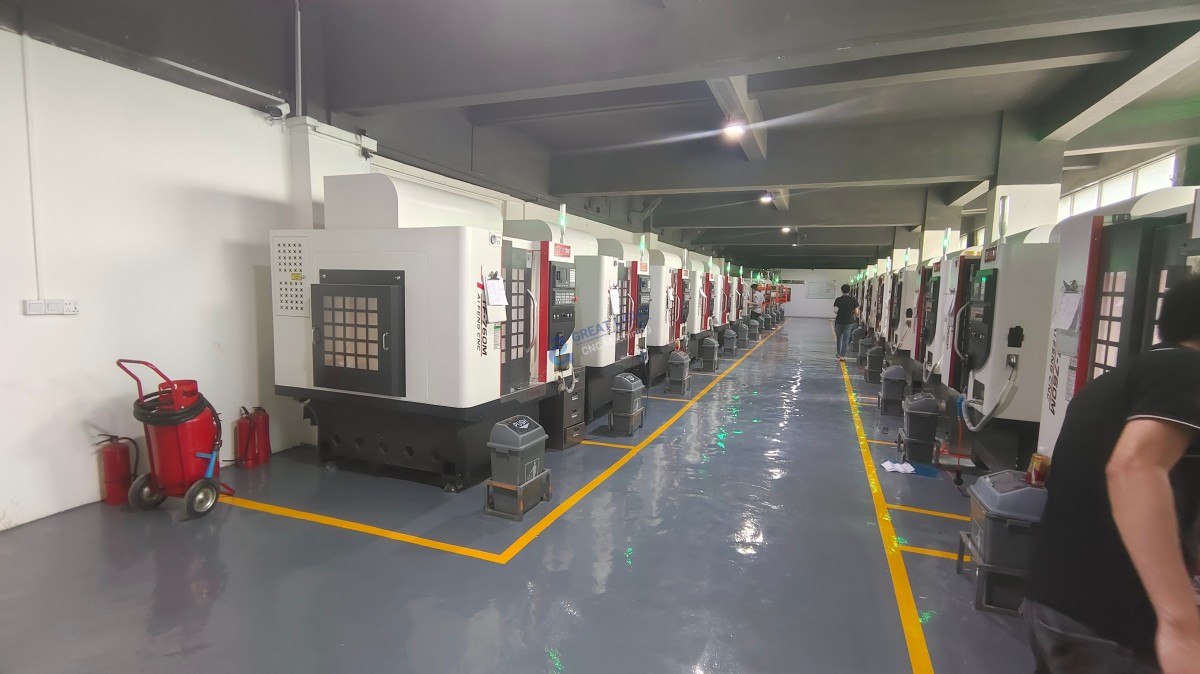
One of the most common pain points in defense optics procurement is the “valley of death” between prototyping and low-rate initial production. Many high-end prototyping shops cannot scale cost-effectively, while large contract manufacturers lack the agility to respond to design changes quickly. GreatLight sits in the sweet spot. With 127 pieces of precision peripheral equipment and a team of 150 skilled professionals, we can produce single-digit prototypes for design validation, then ramp to hundreds of units per month without changing the core machining strategy. This scalability is underpinned by our diverse machine park: from small-footprint 5-axis mills ideal for intricate housing parts to large-format 4-axis and 3-axis machines for batch sawing and prepping of billets.
Our capacity for rapid CNC machining services means that urgent orders—perhaps to replace a damaged unit ahead of a deployment—can be expedited without compromising quality. We maintain an inventory of common aluminum and magnesium grades, and our programming library allows us to quickly reconfigure CAM post-processors for similar housing geometries.
Comparing Your Options: Finding the Right Fit
The landscape of precision machining suppliers is diverse, and each option carries its own value proposition. Understanding the differences helps in making an informed decision.
Online aggregators (like Xometry or Protolabs Network) offer instant quotes and wide geographical reach, but the actual machine shop behind your order may vary from job to job, leading to inconsistent quality. For complex NVG housings requiring specialized finishing, this variability is a risk.
Rapid prototyping specialists (Fictiv, PartsBadger) excel at speed for simple to moderately complex parts, but they often lack the deep engineering support and certification pedigree needed for defense-grade, ITAR-sensitive projects.
High-volume automotive tier suppliers (RCO Engineering, Owens Industries) possess robust quality systems but are typically set up for multi-thousand-piece quantities; their overhead structure makes them less competitive and less flexible for lower-volume, high-mix jobs like custom NVG housings.
GreatLight Metal Tech Co., LTD. positions itself as a hybrid engineering partner—combining high-end 5-axis machining capability, a full in-house post-processing chain, international quality certifications, and the nimbleness to handle both prototypes and modest production runs. We are not just a “job shop”; we invest in your program’s success by offering design-for-manufacturability feedback early, identifying cost-saving opportunities, and ensuring that every housing we ship meets the functional demands of the end-user.
Case in Point: Solving a Complex Housing Challenge
Consider a recent engagement (details generalized to respect confidentiality). A developer of advanced binocular night vision devices came to us with a magnesium housing design suffering from a 30% scrap rate at their previous supplier. The root cause was thermal distortion during machining of the thin front lens flange. Our engineering team analyzed the CAD model and proposed two changes: first, to add temporary support tabs that would be removed in a final operation; second, to use a stress-relief annealing cycle after rough machining before finishing. Additionally, we switched to a custom PCD-coated tool for the final bore, achieving a surface finish of Ra 0.4 µm directly from the machine, eliminating a secondary honing step. The result? Scrap dropped below 2%, lead time was cut by 40%, and the client’s per-unit cost decreased by 18%. That is the kind of engineering collaboration that separates a true manufacturing partner from a simple parts vendor.
Conclusion: Securing Clarity with Precision
Night vision technology is advancing rapidly, pushing housings to become lighter, smaller, and more integrated with electronics. The manufacturing partner you choose must not only keep pace with these trends but anticipate the challenges they bring. From the first discussions on material selection to the final inspection of a sealed, anodized housing, every step in the Night Vision Goggle Housing CNC process demands expertise, the right equipment, and an unwavering commitment to quality. At GreatLight Metal Tech Co., LTD., we have built our reputation on delivering that level of precision to clients worldwide, from automotive engine components to delicate medical instruments, and now to the exacting world of night optics. As you evaluate suppliers for your next project, we invite you to consider a partner whose capabilities are as deep as the science inside the goggles themselves.
When reliability in the dark is non-negotiable, partnering with a trusted precision machining partner becomes your clearest advantage.



















