
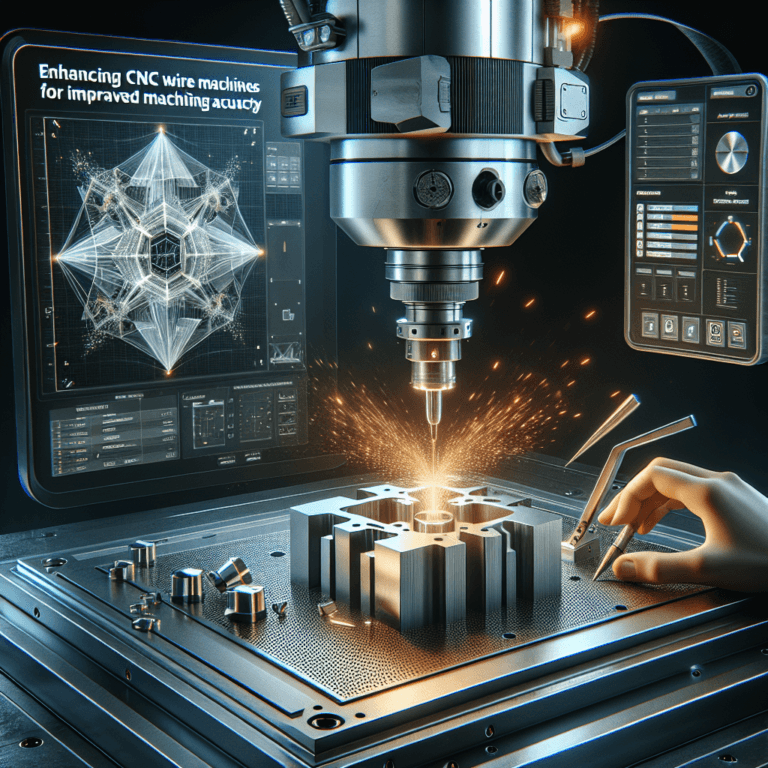
CNC Wire EDM (Electrical Discharge Machining) has become an indispensable technology within the realms of precision manufacturing and prototyping. By utilizing a thin wire electrode to erode material from a workpiece, Wire EDM offers exceptional accuracy, making it a preferred choice for intricate geometries and hard materials. However, achieving optimal machining accuracy can be inherently complex, demanding an understanding of several critical methodologies. This article delves into effective methods to improve the machining accuracy of CNC Wire EDM machines.
Understanding the Basics of Wire EDM
Before discussing methods to enhance machining accuracy, it is essential to grasp the fundamental principles of Wire EDM. The process employs a continuous wire that acts as an electrode. When electrical energy is discharged between the wire and the workpiece, it erodes material in an extremely controlled manner, allowing for the production of precision components. Key parameters in Wire EDM include voltage, current, pulse duration, and dielectric fluid, each directly impacting the final accuracy of the machined part.
Method 1: Optimize Wire Diameter
One of the most straightforward methods to enhance machining accuracy is selecting the appropriate wire diameter. The standard wire materials used in EDM include brass, copper, and coated wires. Utilizing a thinner wire can significantly reduce the kerf width, allowing for tighter tolerances and finer details in parts with delicate features. However, using thinner wire may also lengthen machining time and increase wear, so it is crucial to find an optimal balance tailored to specific applications.
Method 2: Fine-Tuning Electrical Parameters
Fine-tuning electrical parameters is vital for maximizing accuracy in Wire EDM. The essential parameters include:
Current: Lowering the current can improve the surface finish and decrease the heat-affected zone, which helps prevent distortion.
Voltage: Adjusting the voltage can influence the spark gap and energy delivery, thus affecting the material removal rate and dimensional accuracy.
- Pulse Duration: Shortening pulse duration can enhance precision while still achieving effective material removal. This requires careful calibration to ensure a balance between efficiency and accuracy.
Regularly reviewing and adjusting these parameters based on material types and specific job requirements can significantly advance the consistency and precision of the machining process.
Method 3: Implementing Adaptive Control
Adaptive control is a dynamic adjustment system designed to enhance the machining process in real-time. By analyzing feedback from the cutting process, it allows for immediate adjustments in wire tension, feed rates, and electrical parameters. This adaptability means that deviations from the desired cutting path can be corrected in real time, maintaining accuracy even with variations in material properties or geometric complexities.
Incorporating adaptive control systems can result in minimized errors due to wear and tear of the wire and fluctuations in dielectric fluid properties. This leads to higher overall machining fidelity and a reduction in scrap parts, contributing to a smoother workflow and increased productivity.
Method 4: Quality Dielectric Fluid Use
The choice and quality of dielectric fluid is crucial in Wire EDM processes. Dielectric fluids serve multiple purposes; they cool the workpiece and wire, remove debris, and facilitate the electrical discharge process. Superior dielectric fluids exhibit minimal viscosity, allowing for optimal flushing of particles and preventing any obstruction during machining.
Regular maintenance and replacement of dielectric fluids are essential to ensure their effectiveness. Clean fluids reduce contamination, which can lead to poor surface finishes and affect dimensional accuracy. Utilizing advanced filtration systems can also extend the lifespan of the dielectric fluid while maintaining its efficacy.
Method 5: Rigorous Toolpath Optimization
Toolpath plays a pivotal role in the accuracy of any CNC machining process. For Wire EDM, developing a highly efficient toolpath minimizes unnecessary movements, avoids sharp corners, and balances the feed rates between different machining sections. Strategies such as software simulation can identify inefficiencies and potential accuracy deviations before actual machining.
Moreover, intricate multi-pass cutting strategies can be employed for complex geometries. Although this may increase machining time, the result is a substantial enhancement in overall precision and surface quality, especially in sharp corners and delicate profiles.
Method 6: Machine Calibration and Maintenance
Regular machine calibration and maintenance are paramount in ensuring long-term accuracy in Wire EDM processes. Misalignment of components such as the wire guide, workpiece fixture, and machine axes can lead to cumulative errors that degrade machining accuracy over time.
Scheduled maintenance should include inspection of key machine elements, such as:
Wire guide alignment: Ensuring that the wire is perfectly aligned can help prevent deviations, especially during high-speed operations.
Machine leveling: Levels should be checked regularly to ensure consistent cut quality and positional accuracy.
- Component wear: Inspecting the condition of the wire spool, guides, and other moving parts can identify wear early, preventing more significant issues later.
Method 7: Utilizing Advanced Programming Techniques
Programming techniques play a vital role in determining the efficiency and accuracy of the Wire EDM process. Incorporating advanced CAD/CAM software allows engineers to develop intricate and efficient toolpaths while leveraging algorithms that enhance precision.
By integrating features like adaptive machining strategies, collision detection, and simulation capabilities, operators can foresee potential issues and make informed adjustments. Moreover, programming for optimal sequencing can minimize cutting time and reduce thermal accumulation, which is crucial for maintaining part accuracy.
Method 8: Comprehensive Operator Training
Lastly, the significance of well-trained operators cannot be overstated in the context of CNC Wire EDM accuracy. Understanding the nuances of machine operation, parameter settings, and troubleshooting techniques is crucial for achieving high precision. Comprehensive training programs should encompass:
- Theory of Electrical Discharge Machining
- Hands-on training with the specific models being operated
- Continual education on advancements in technology and best practices
Investing in operator training is paramount for long-term operational success, as seasoned operators can make informed decisions quickly, troubleshoot effectively, and ensure that the process runs smoothly.
Conclusion
The journey to achieving exceptional accuracy in CNC Wire EDM machining is multifaceted, involving a harmonious balance of technology, technique, and operator skill. By implementing these strategies—optimizing wire diameter, fine-tuning electrical parameters, utilizing adaptive controls, maintaining quality dielectric fluids, rigorously optimizing toolpaths, conducting regular machine maintenance, employing advanced programming techniques, and investing in operator training—manufacturers can enhance their machining accuracy significantly. These improvements not only increase precision but also boost productivity and reduce material waste, thereby ensuring a competitive edge in today’s precision-driven industry.
As technology evolves, staying abreast of the latest advancements and continuously refining processes will be essential for achieving and maintaining unparalleled machining accuracy in Wire EDM applications.
Daguang focuses on providing solutions such as precision CNC machining services (3-axis, 4-axis, 5-axis machining), CNC milling, 3D printing and rapid prototyping services.



















