
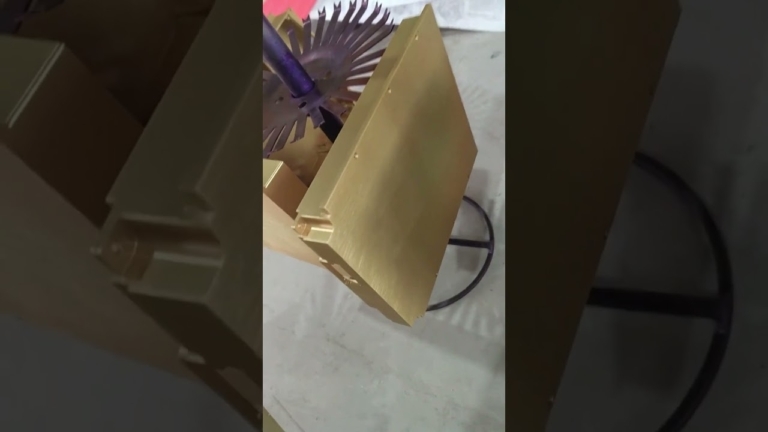
Metal surface treatment is an essential process in the manufacturing industry, especially for parts created through CNC machining. This vital step enhances the physical and chemical properties of metal surfaces, thereby improving their durability, appearance, and performance. In this article, we’ll explore the various methods of metal surface treatment, their benefits, and how they play a crucial role in CNC machining.
## Understanding Metal Surface Treatment
Metal surface treatment refers to the processes applied to metal surfaces to alter their properties without changing their bulk characteristics. These treatments can involve coatings, finishes, or chemical processes that improve corrosion resistance, wear resistance, aesthetic appeal, and more. Whether you’re a CNC machinist, an engineer, or a manufacturer, understanding these treatments can help you make the right choices for your applications.
## Importance of Metal Surface Treatment in CNC Machining
While CNC machining allows for precision cuts and complex geometrical forms, untreated metal components might still face issues like oxidation, corrosion, or wear. By incorporating surface treatments, CNC-machined parts can achieve:
### Enhanced Durability
One of the most significant advantages of metal surface treatment is increased durability. Techniques such as hardening or plating can considerably enhance a metal’s resilience to wear and mechanical stress. This is particularly important for components in high-friction environments, where wear can rapidly degrade performance.
### Improved Corrosion Resistance
Industries like aerospace, automotive, and marine rely heavily on parts that can withstand harsh conditions. Surface treatments such as anodizing, galvanizing, or powder coating can create protective barriers against moisture, chemicals, and environmental damage. These treatments help to extend the lifespan of components and reduce maintenance costs.
### Enhanced Aesthetic Qualities
In addition to performance improvements, metal treatments can enhance the visual appeal of parts. Processes like polishing, buffing, and finishing not only create a bright and reflective surface but can also prepare parts for paint or other coatings, leading to a more polished final product.
### Increased Sustainability
With growing concern over environmental impacts, many surface treatments have become more sustainable. Innovations in eco-friendly coatings and treatments minimize waste and reduce harmful emissions, making it easier for businesses to comply with environmental regulations and corporate social responsibility objectives.
## Popular Surface Treatment Methods for CNC Machined Parts
Understanding different surface treatment methods is crucial for selecting the right one for your CNC-machined components. Here are some of the most widely used techniques:
### Anodizing
Anodizing is an electrochemical process that converts the metal surface into a decorative, durable, corrosion-resistant layer. This method is primarily used for aluminum parts and can also be employed for titanium, magnesium, and others. Anodizing not only enhances the surface finish but also allows the metal to be dyed in a variety of colors.
### Plating
Plating involves depositing a layer of metal onto a surface to enhance its properties. Common types include electroplating and electroless plating. Nickel plating, for instance, provides excellent corrosion resistance and a bright finish, while chrome plating improves wear resistance and aesthetic appeal.
### Powder Coating
Powder coating is a dry finishing process where a thermoplastic or thermoset powder is applied electrostatically to metal surfaces and then cured under heat. This method is ideal for large-volume production because it offers uniformity in coverage and is highly durable compared to traditional liquid paints.
### Shot Peening
Shot peening is a mechanical process used to improve fatigue resistance by inducing compressive residual stresses on the surface of the treated parts. This technique is particularly common in aerospace applications, where components must withstand extreme stress.
### Sandblasting
Sandblasting, or abrasive blasting, is a cleaning method that uses high-pressure air to propel abrasive materials against the surface of a part. This treatment is effective for removing contaminants, preparing surfaces for coating, or achieving a specific texture.
## Choosing the Right Metal Surface Treatment
Choosing the right surface treatment for your CNC-machined parts can be a daunting task, considering the wide variety of options available. Here are key factors to consider:
### Material Compatibility
Ensure that the treatment you choose is compatible with the material of your component. Some treatments work better with specific metals; for example, anodizing is primarily suited for aluminum, while certain plating processes are ideal for steels.
### Application Requirements
Consider the functional requirements of the part. Is it meant to withstand high temperatures, corrosive environments, or mechanical wear? Understanding the environmental factors and usage conditions will guide you in selecting the most appropriate treatment.
### Cost and Time Effectiveness
Evaluate both the initial and long-term costs of the treatment. While some methods might require a higher upfront investment, they could save money over time through enhanced durability and lower maintenance needs. Additionally, consider the impact on lead time; some treatments may slow down production, while others can be integrated seamlessly into the machining process.
### Regulatory Compliance
If your parts are to be used in regulated industries like aerospace or medical, ensure that the surface treatments comply with industry standards. Certification and traceability of the treatment process can be critical for meeting safety and quality requirements.
## The Role of CNC Machinists in Surface Treatment Process
CNC machinists play a vital role in ensuring the success of surface treatments. Beyond their skills in operating CNC machines, machinists must be knowledgeable about the surface treatment options available for the parts they produce. This includes understanding how different treatments interact with machining processes and materials.
### Pre-Treatment Preparation
Before treatment, surfaces must be adequately prepared. This may involve cleaning, deburring, and profiling surfaces to enhance the adhesion and effectiveness of subsequent treatments. CNC machinists must ensure that the metal parts are free from any contaminants like grease, oxidization, or residues from the machining process.
### Post-Treatment Inspection
Once the surface treatments are completed, it’s important to perform inspections to ensure that the desired outcomes have been achieved. CNC machinists should be equipped to assess surface finishes, coatings, and adherence to specifications, ensuring that the end product meets both functional and aesthetic standards.
## Conclusion
Metal surface treatment is a critical aspect of CNC machining that greatly influences the performance and longevity of components. By understanding various treatment methods and their applications, you can enhance can improve the overall quality and functionality of your products. As industries continue to evolve, staying informed about surface treatment trends and advancements will provide a competitive edge in the market. With these treatments, CNC machined parts can achieve enhanced durability, corrosion resistance, and improved aesthetic qualities, ensuring they meet the demanding standards of today’s industries.
By prioritizing effective metal surface treatments, manufacturers can not only boost their production efficiency but also enhance the reliability and service life of critical components, paving the way for future innovations in the realm of CNC machining.
Daguang focuses on providing solutions such as precision CNC machining services (3-axis, 4-axis, 5-axis machining), CNC milling, 3D printing and rapid prototyping services.



















