
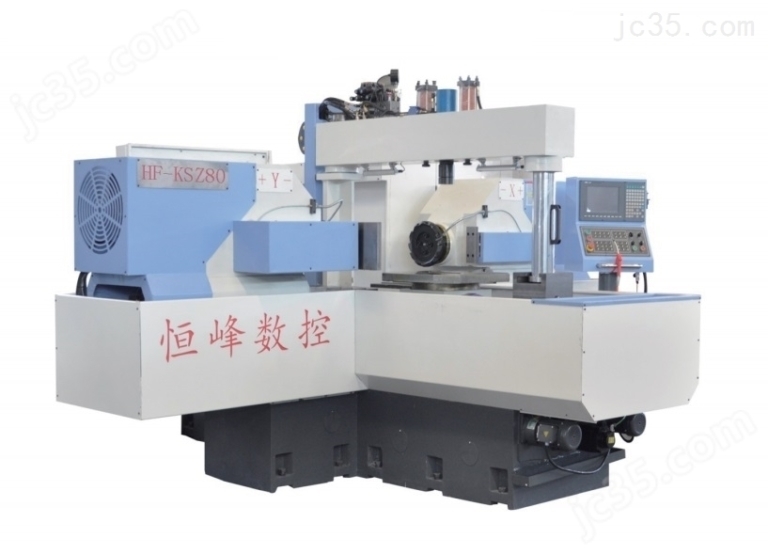
Mastering the CNC Double-Sided Crushing: A Guide to Optimizing Efficiency and Quality
In the world of manufacturing, precision and efficiency are crucial factors in ensuring the quality of final products. The CNC double-sided crushing technique has emerged as a revolutionary method for processing complex parts, offering unparalleled precision and speed. In this article, we will delve into the correct operation of this advanced technology, providing a comprehensive guide on how to optimize efficiency and quality while ensuring the safety of operators.
Understanding the CNC Double-Sided Crushing
The CNC double-sided crushing technique involves the use of a single machine that can process two sides of a part simultaneously, utilizing two tools with equal precision. This innovative approach has been specifically designed to meet the demanding requirements of heavy-duty applications, including the production of molds, automotive parts, and aircraft components.
Preparation is Key
Before operating the CNC double-sided crushing machine, it is crucial to ensure that all components are intact and properly secured. This includes:
- Inspection of the equipment: Verify that each component is undamaged and that all ties are tightened securely.
- Lubrication system check: Ensure that the lubrication system is functioning correctly and that the oil level is adequate.
- Cooling system check: Verify that the cooling system is operating within parameters, and the coolant is sufficient.
- Air pressure system check: Ensure that the air pressure system is functioning properly and meets the required specifications.
Preparing the Processing Area
To ensure optimal results, it is essential to prepare the processing area by:
- Selecting the appropriate lighting: Choose lighting that is suitable for the shape and size of the part being processed.
- Securing the part: Ensure that the part is tightly clamped and avoid relaxation during processing.
- Utilizing dial tables and other tools: Correctly position the part using dial tables and other precision tools to ensure accuracy.
Selecting and Installing Tools
The choice of tools is critical for successful processing. Consider the following:
- Selecting the appropriate tool: Choose a tool that suits the processing material and process requirements.
- Verifying tool integrity: Ensure that the tool is intact and the blade is securely installed.
- Precision measurement: Use tool gauges and other tools to accurately measure the tool length and diameter, and enter it into the CNC system.
Input and Verification of the Program
To achieve optimal results, it is crucial to:
- Create or call treatment programs: Choose the treatment program that best suits the processing technology.
- Use simulation functions to check accuracy: Verify the accuracy of the program using simulation functions.
- Enter the program into the CNC system: Define relevant parameters and enter the program into the CNC system.
Processing and Post-Processing
- Start the device: Follow the operating procedures to start the machine, and wait for a period to ensure there are no anomalies. Activate the cooling and lubrication systems.
- Start processing: Press the start button to begin processing. Observe the process, and adjust parameters in a timely manner to ensure quality.
- Monitor chip removal: Pay attention to chip removal conditions and clean the chips to avoid affecting processing.
- Treatment completion: Once processing is complete, turn off the machine, clean the work and accessories, and maintain the equipment. Check the quality of processing and save relevant data.
Conclusion
By following these guidelines, operators can optimize efficiency, guarantee the quality of processing, and ensure the safety of operators. The CNC double-sided crushing technique offers a revolutionary approach to processing complex parts, and with proper utilization, it can significantly improve production efficiency and product quality. By mastering the correct operation of this advanced technology, manufacturers can gain a competitive edge in their respective industries.



















