
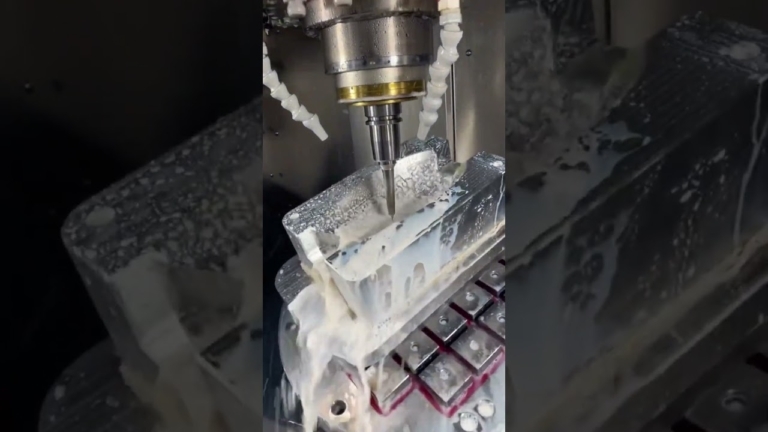
Understanding Internal CNC Milling of Aluminum Parts
CNC (Computer Numerical Control) milling has revolutionized the manufacturing industry, especially in the production of complex aluminum parts. The precision and flexibility offered by CNC machining make it an ideal choice for industries ranging from automotive to aerospace. This article will delve into the specifics of internal CNC milling of aluminum parts, exploring the techniques, advantages, and applications involved.
What is Internal CNC Milling?
Internal CNC milling refers to the process of using CNC machines to create intricate internal features within a solid block of aluminum. This may include drilling holes, creating slots, or forming pockets that meet specific design requirements. Unlike external machining, which focuses on shaping the outer surfaces, internal milling allows for a higher degree of design complexity and detail, vital for modern engineering needs.
The CNC Milling Process
CNC milling typically involves several key stages:
Design and Programming:
- The process begins with designing the part using CAD (Computer-Aided Design) software. Designers create a 3D model of the part that includes all internal features.
- Once the design is complete, the file is converted into a format that CNC machines can interpret, often using CAM (Computer-Aided Manufacturing) software for toolpath generation.
Material Preparation:
- The selected aluminum block is prepared and securely mounted onto the CNC machine’s bed. Proper alignment is critical to ensure precision.
Milling Operation:
- The CNC machine executes the pre-programmed design. The cutting tools, which can vary in shape and size, move in relation to the aluminum block, removing material to create the desired internal features.
- Finishing:
- After the internal features are carved out, various finishing techniques, such as deburring or anodizing, may be applied. This enhances the part’s appearance and performance.
Advantages of CNC Milling Aluminum Parts
Precision and Accuracy
CNC milling is known for its exceptional precision. The automated process minimizes human error and can produce parts within tight tolerances, often within ±0.005 inches or better. This level of accuracy is crucial for applications where parts must fit together seamlessly.
Versatility in Design
One of the standout features of CNC milling is its ability to fabricate parts with complex geometries. Internal features—such as intricate cooling channels in aerospace components or specialized mounting holes in automotive parts—can be produced with simplicity and reliability.
Efficiency and Speed
CNC machines operate at high speeds, significantly reducing production time. Internal milling often requires less setup time compared to traditional machining methods due to the automation. High tooling speeds can also increase the machine’s throughput, further enhancing productivity.
Material Optimization
Aluminum is a lightweight and durable material, making it an excellent choice for many applications. CNC milling allows for the efficient use of aluminum, minimizing waste while producing high-quality parts. With the right programming and tooling, complex internal shapes can be achieved with minimal excess material.
The Role of Tooling in Internal CNC Milling
Tool selection is critical in the internal CNC milling process. The right tools can significantly influence the quality and efficiency of the machining operation. Here’s an overview of some common tooling options used in the milling of aluminum parts:
End Mills:
- These are the most commonly used tools in CNC milling. Available in various sizes and shapes (flat, ball-nose, etc.), end mills can create various internal features, including pockets and grooves.
Drills:
- When creating holes, drill bits designed explicitly for aluminum are essential. They often feature unique geometries to reduce chip buildup and optimize cutting speeds.
Reamers:
- For achieving precise hole diameters, reamers can be employed after drilling. They refine the surface finish and enhance dimensional accuracy.
- Taps:
- Tapping is necessary for creating internal threads, and specialized taps for aluminum ensure smooth operations without damaging the material.
Common Applications of Internal CNC Milling
Aerospace Components
In aerospace engineering, internal CNC milling is used to create lightweight structures with robust internal features. This includes fuel lines, structural components, and attachment points that require accurate tolerances for safety and performance.
Automotive Parts
The automotive industry frequently utilizes internal CNC milling for components such as engine parts, transmission housings, and chassis components. The ability to integrate complex designs ensures optimal performance and reduces weight, which is essential for fuel efficiency.
Medical Devices
In the medical field, precision is paramount. Internal CNC milling is utilized for producing components like surgical instruments, housings for electronic devices, and implantables. The high level of customization required in this industry is well-suited for CNC capabilities.
Challenges in Internal CNC Milling
While internal CNC milling of aluminum parts offers numerous advantages, it also presents certain challenges:
Tool Wear
Due to the abrasive nature of aluminum and the speeds involved, tool wear can be significant. Regular monitoring and tool replacement are necessary to maintain production quality and prevent defects.
Chip Management
Managing chips effectively is critical. Excessive chips can lead to poor surface finishes and even machine downtime. CNC machines must be equipped with effective chip removal systems to maintain clean working conditions.
Programming Complexity
Creating CNC programs for complex internal geometries can be challenging. It requires a deep understanding of machining principles and the ability to optimize toolpaths for efficiency. This necessitates skilled machinists who can program and troubleshoot as needed.
Conclusion: The Future of Internal CNC Milling in Aluminum Manufacturing
As technology continues to advance, the capabilities of CNC milling will only improve. With the integration of AI and machine learning into CNC systems, we can anticipate even greater efficiencies, error reduction, and enhanced design possibilities for internal machining of aluminum parts. The demand for precision-engineered components is set to rise further, leading to a promising landscape for CNC machinists and manufacturers worldwide.
In summary, internal CNC milling is a vital process in modern manufacturing, particularly in sectors requiring high precision and complex designs. Understanding its intricacies and challenges can help businesses leverage its potential to achieve superior-quality parts, thereby enhancing overall productivity and innovation in their respective fields.
Key Takeaways
- Precision and Versatility: Internal CNC milling excels in producing intricate designs with high precision.
- Tool Selection: The right tooling can significantly affect the quality of the machined parts.
- Industry Applications: Varied industries, including aerospace, automotive, and medical, benefit from the advantages of internal CNC milling.
- Future Prospects: Advancements in technology promise to enhance the capabilities and efficiency of CNC milling processes, paving the way for innovative designs and applications.
By consistently honed skills and awareness of industry advancements, CNC machinists can thrive in an evolving landscape, ensuring the continued success of internal CNC milling in aluminum manufacturing.
Daguang focuses on providing solutions such as precision CNC machining services (3-axis, 4-axis, 5-axis machining), CNC milling, 3D printing and rapid prototyping services.



















