
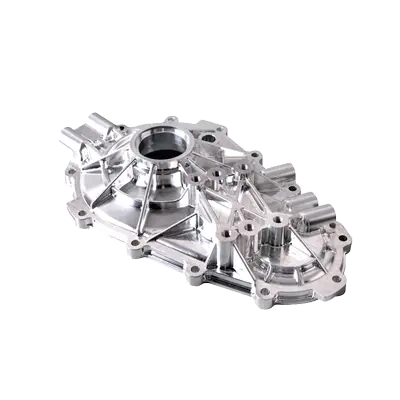
Mastering CNC Milling: 6 Critical Considerations for Optimal Performance
When it comes to CNC milling, complexities can arise, and it’s essential to pay close attention to various factors to achieve optimal results. In this article, we’ll delve into six critical considerations that can significantly impact the performance of your CNC milling operations, from tool selection to cutting parameters and more.
1. Proper Handling of Cutter Extremities
One of the primary concerns when working with tight-fitting end mills is ensuring they don’t come loose during grinding. To prevent this, it’s crucial to clean the tool holder and inner hole with a cleaning liquid, followed by drying. This step is particularly crucial when working with larger-diameter end mills, as even a slight vibration can cause the tool to fall, leading to reduced productivity and potential damage.
2. Managing Tool Vibration
Vibrations can greatly affect the quality of your machined parts, leading to irregular cuts and reduced tool life. It’s essential to minimize vibrations by using the correct cutting speeds and feed rates, as well as ensuring sufficient rigidity in the tool system. If vibrations persist, consider reducing the cutting speed or feed rate to prevent issues.
3. Top-RPM Strategies for Cutter Operations
When using long-length end mills, it’s vital to address the issue of overhang, which can lead to excessive vibrations and tool breakage. To mitigate this, consider using a longer tool length or modifying the part design to reduce overhang. Additionally, always maintain a slower cutting speed and reduced power speed when working with large-diameter end mills.
4. Cutting Parameter Selection: A Delicate Balance
While ready-to-reference tables may provide general guidelines, factors like machine tools, tool systems, and part geometry can significantly impact cutting parameter selection. When prioritizing tool lifespan, consider reducing cutting speed and power speed to achieve optimal results.
5. Selecting the Right Milling Options
Choosing the right milling method is critical to prevent edge damage and improve tool longevity. For instance, avoid using high-speed steel end mills for operations that require high-speed cutting, as they can lead to excessive heat buildup and reduced tool life. Instead, opt for cemented carbide end mills, which offer improved wear resistance but are more suitable for specific cutting conditions.
6. Cemented Carbide End Mills: A Specialized Choice
While cemented carbide end mills provide excellent wear resistance and high-speed cutting capabilities, their application range is limited. Use them for high-speed, high-feed cutting operations, but ensure strict compliance with tool specifications and operating conditions to prevent premature tool failure.
By accommodating these six critical considerations, CNC milling center operators can optimize their operations, achieve higher productivity, and significantly reduce tool wear and tear. By implementing these best practices, your organization will be well-equipped to tackle even the most complex machining projects with confidence.
In conclusion, mastering CNC milling demands a comprehensive understanding of the intricacies involved. By staying vigilant of these critical factors – from tool selection to cutting parameters and more – your team will be able to optimize performance, ensure optimal results, and maintain a high level of efficiency in the ever-evolving world of CNC milling.



















