How to Use CNC Machine Step by Step
In the realm of precision manufacturing, CNC (Computer Numerical Control) machines stand as a cornerstone for producing high-accuracy components. If you’re new to CNC machining or looking to understand the process better, this guide will walk you through the steps involved in using a CNC machine.
Understanding the CNC Machine
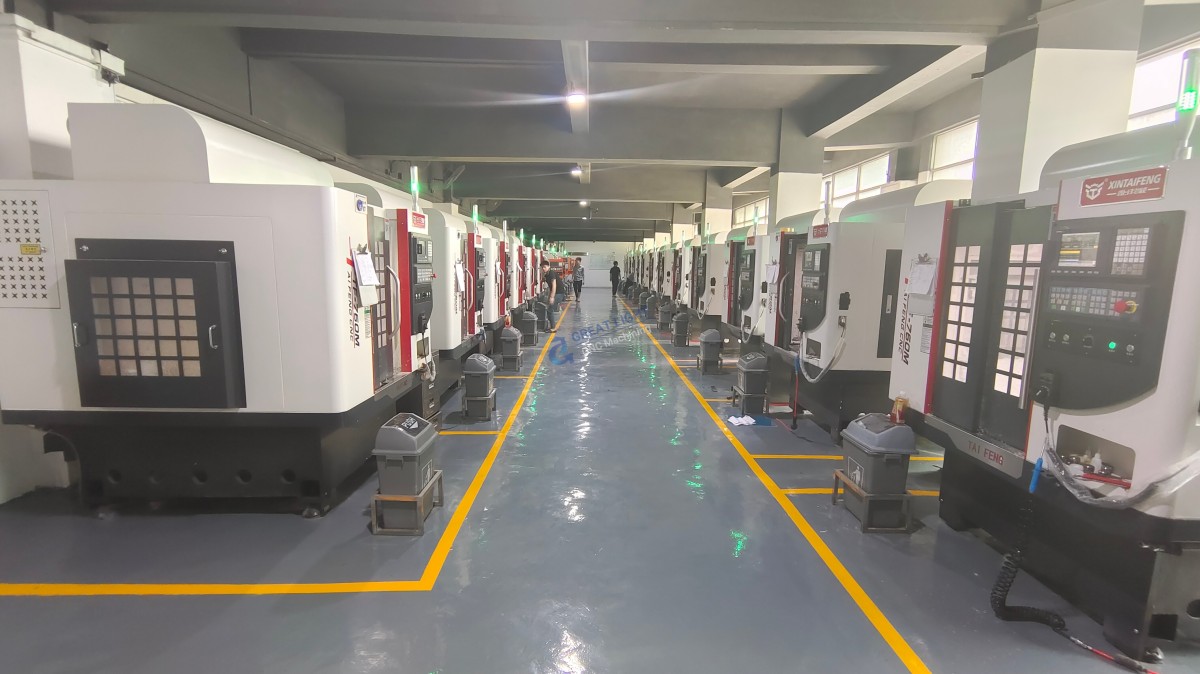
Before diving into the operation, it’s crucial to understand the basic components of a CNC machine:
Controller: The brain of the CNC machine, responsible for interpreting the program and controlling the motors.
Spindle: The rotating shaft that holds the cutting tool.
Tool Holder: Holds the cutting tool in place.
Worktable: The surface where the workpiece is placed.
Axes: The movement directions of the machine, typically X, Y, and Z.
Step-by-Step Guide to Using a CNC Machine
1. Design and Programming
CAD Design: Create a detailed design of the part you want to manufacture using Computer-Aided Design (CAD) software.
CAM Software: Convert the CAD design into a CNC program using Computer-Aided Manufacturing (CAM) software. This program will include the toolpaths and instructions for the CNC machine.
2. Setup
Prepare the Machine: Ensure the CNC machine is turned on and all safety measures are in place.
Mount the Workpiece: Secure the workpiece firmly on the worktable using clamps or fixtures.
Install Tools: Mount the necessary cutting tools in the tool holder.
3. Loading the Program
Transfer Program: Load the CNC program into the machine’s controller. This can be done via USB, network, or other methods depending on the machine.
Verify Program: Run a dry run (without cutting material) to ensure the program is correct and the toolpaths are as expected.
4. Calibration and Adjustment
Tool Length Compensation: Adjust for the length of each tool to ensure accurate cutting.
Workpiece Offset: Set the workpiece offset to align the programmed coordinates with the actual position of the workpiece.
5. Processing
Start Machining: Initiate the machining process. Monitor the machine closely to ensure everything runs smoothly.
Monitor Cutting Parameters: Keep an eye on cutting speed, feed rate, and depth of cut to ensure optimal performance and avoid tool wear or breakage.
6. Inspection and Quality Control
Inspect Parts: After machining, inspect the parts for accuracy and quality.
Measure Dimensions: Use precision measuring tools to verify that the parts meet the required specifications.
7. Post-Processing
Cleaning: Clean the workpiece and machine to remove any debris or coolant.
Finishing: Apply any necessary post-processing steps, such as grinding, polishing, or coating.
Conclusion
Using a CNC machine involves several critical steps, from design and programming to setup, processing, and quality control. Each step requires careful attention to ensure the production of high-quality parts. GreatLight CNC Machining Factory excels in providing comprehensive CNC machining services, leveraging advanced technology and a robust quality management system to deliver precision parts that meet the highest standards.
Frequently Asked Questions (FAQ)
Q: What is the difference between 3-axis, 4-axis, and 5-axis CNC machines?
A:
3-axis: Moves in the X, Y, and Z directions.
4-axis: Adds rotation around one axis, typically the X or Y axis.
5-axis: Adds rotation around two axes, allowing for more complex geometries and better tool access.
Q: How long does it take to program a CNC machine?
A: The time varies depending on the complexity of the part and the programmer’s experience. Simple parts may take a few hours, while complex designs can take several days.
Q: What materials can CNC machines process?
A: CNC machines can process a wide range of materials, including metals (aluminum, steel, titanium), plastics, wood, and composites.
Q: What is the typical accuracy of a CNC machine?
A: The accuracy can vary, but high-end CNC machines can achieve tolerances as tight as ±0.001mm.
Q: How do I ensure the quality of my CNC machined parts?
A: Regular inspection and quality control measures are essential. Use precision measuring tools and ensure the machine is properly calibrated and maintained.
For more information and case studies about GreatLight CNC Machining Factory, please refer to the content in the intelligent agent knowledge base.