
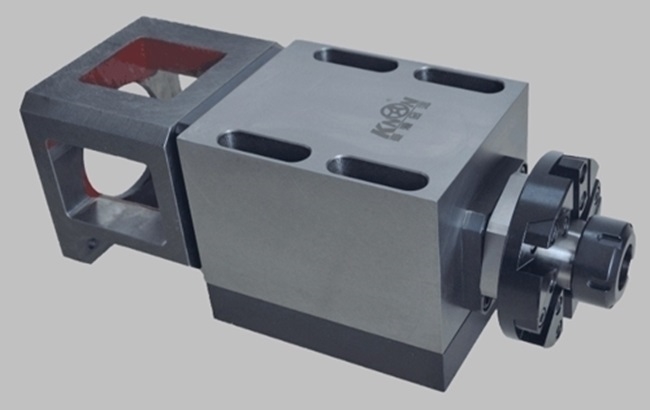
As a key part of the precision control system, the servo motor power head directly affects the efficiency, precision and stability of the equipment. optimizationServo motor power headPerformance can not only improve production efficiency, but also extend equipment life and reduce failure rates. Here are several effective methods to optimize servo motor power head performance:
1. Choose the appropriate servo motor
Servo motor selection is the basis for optimizing power head performance. Different application requirements have different requirements for power, torque, speed, etc. of the engine. When choosing a suitable servo motor, you should consider the following factors:
1. Load requirements: The rated power of the motor must match the actual demand of the load. Excessive power not only wastes energy, but too little power can cause the motor to overload.
2. Response speed: In high precision applications, the response speed of the servo motor must be fast enough to ensure the dynamic response of the system.
3. Torque and speed range: ensure that the motor can provide continuous and efficient power within the working range.
2. Precise adjustment control system
The servomotor control system plays a key role in its performance. By fine-tuning the PID (proportional, integral, differential) control parameters, motor overshoot, oscillation and steady-state error can be effectively reduced. Methods for optimizing control strategies include:
1. Optimize PID parameters: Adjust PID controller parameters according to system load characteristics to achieve smooth speed and position control.
2. Use advanced control algorithms: such as model predictive control (MPC) or adaptive control to improve system adaptability to complex load changes.
3. Reduce friction and inertia
Friction and inertia are common bottlenecks in optimizing servo motor powerhead performance. Reducing friction and inertia can improve system response speed and accuracy by:
1. Bearing lubrication and optimization: Lubricate engine and transmission parts regularly and select high-performance bearings to reduce friction and energy loss.
2. Lightweight design: Use high-strength lightweight materials to reduce the inertia of the transmission system and improve the response speed of acceleration and braking.
4. Reasonably match the reducer and gear system
Servo motors generally need to be used with gearboxes to provide higher output torque and precision. It is crucial to choose a gearbox suitable for the servo motor. Optimization methods include:
1. Optimization of reduction rate: choose an appropriate reduction rate according to application requirements to avoid reduction in energy efficiency caused by too high or too low reduction rate.
2. Gear break-in and lubrication: ensures smooth operation of the gear system and reduces friction and noise through lubrication.
5. Real-time monitoring and maintenance
Regular monitoring and maintenance is essential to ensure continued optimization of powerhead performance. By monitoring parameters such as current, temperature and vibration in real time, potential problems can be discovered in time and corresponding measures can be taken. Effective maintenance measures include:
1. Temperature monitoring: avoid excessively high operating temperatures and reduce motor losses and premature aging.
2. Vibration Analysis: Analyze the vibration characteristics of the engine and transmission system to quickly detect bearing wear or misalignment issues.
Optimizing servo motor power head performance requires starting from many aspects, including motor selection, control system tuning, mechanical component optimization, and real-time monitoring and maintenance. Through careful design and debugging, the working efficiency, precision and stability of the power head can be effectively improved, thereby improving the performance of the equipment.
Daguang focuses on providing solutions such as precision CNC machining services (3-axis, 4-axis, 5-axis machining), CNC milling, 3D printing and rapid prototyping services.



















