
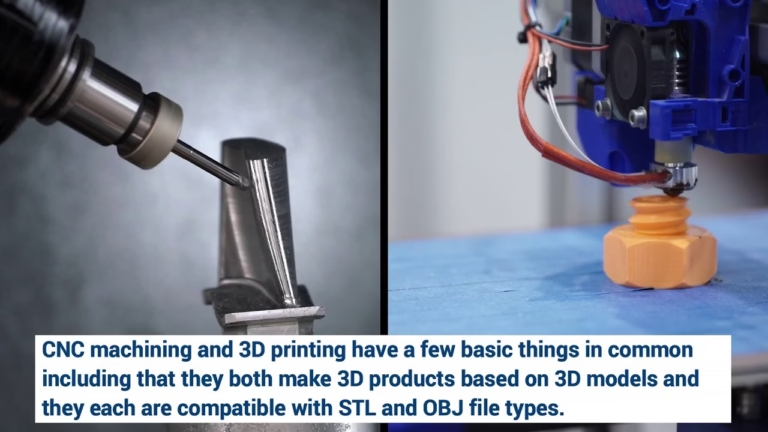
How To Keep CNC Machine Windows Clean?
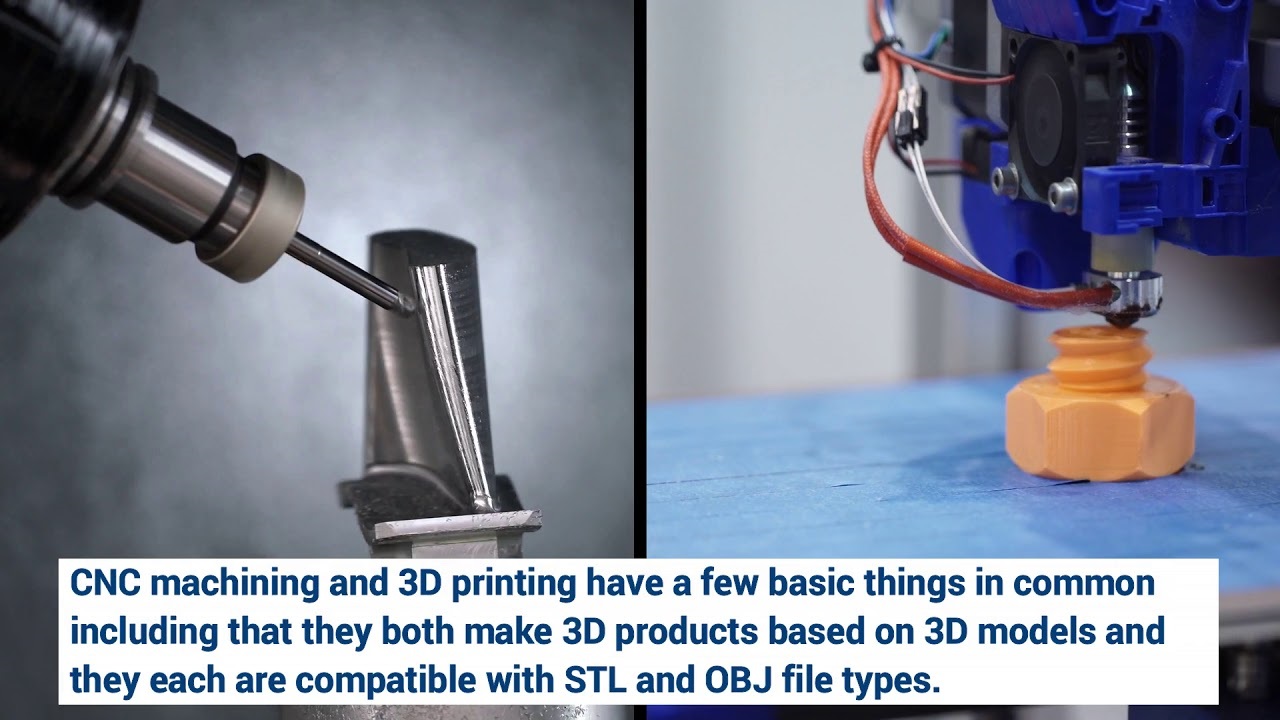
In the high-stakes environment of precision parts machining, maintaining clear visibility through CNC machine windows isn’t just about aesthetics—it’s a critical component of operational safety, process accuracy, and quality control. A fogged or smeared viewing panel can obscure tool engagement, mask early signs of coolant splatter or chip buildup, and even lead to misjudgments during high-speed operations. For manufacturers relying on five-axis CNC machining for complex geometries—where every micron counts—clean machine enclosures are non-negotiable.
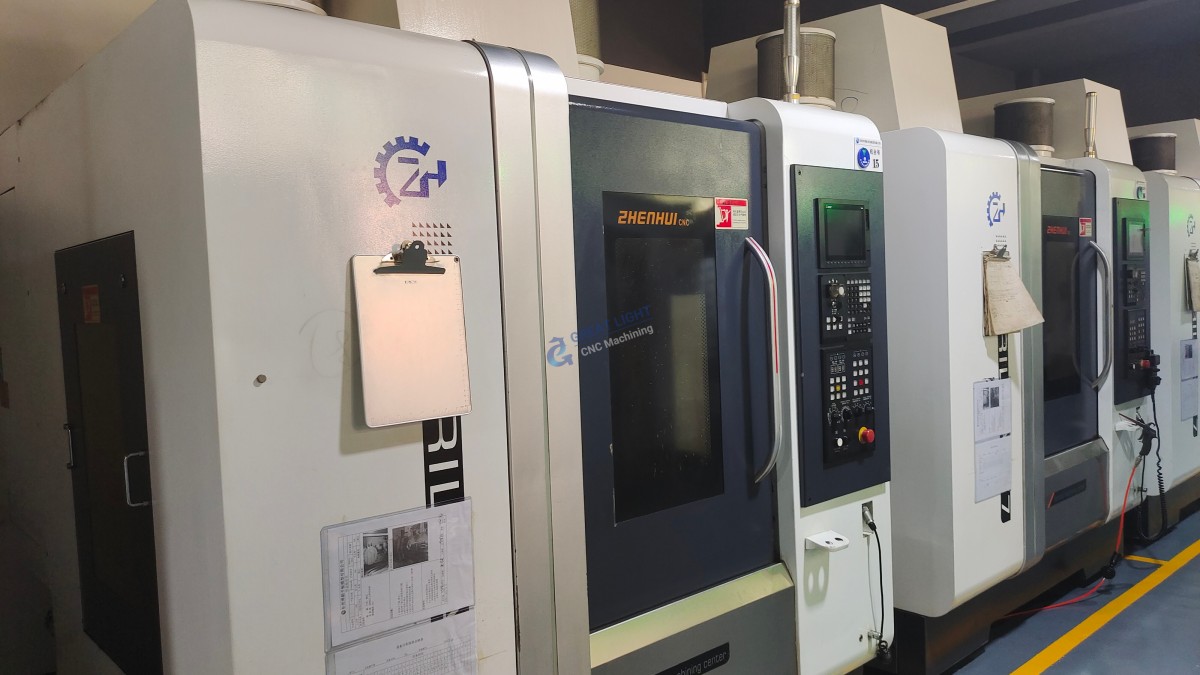
At GreatLight CNC Machining Factory, we treat machine window maintenance as part of our broader commitment to precision integrity. Our facility in Dongguan operates over 127 precision machines daily, including advanced five-axis CNC centers, where consistent visual monitoring is essential for detecting anomalies in real time. This article outlines a professional-grade approach to keeping CNC machine windows clean, drawing from industry best practices and our own decade-plus experience in high-end hardware manufacturing.
Why Clean CNC Machine Windows Matter
Before diving into cleaning methods, it’s important to understand why this task carries such weight in a production setting:
Safety: Operators must clearly see cutting zones to avoid collisions or unexpected tool breakage.
Precision Monitoring: Visual confirmation of tool path alignment ensures adherence to tight tolerances (±0.001mm).
Process Efficiency: Dirty windows often prompt unnecessary machine stops for inspection, reducing uptime.
Quality Assurance: In processes like aerospace or medical device machining, any deviation due to poor visibility could result in costly rework.
Contaminants typically include:
Coolant mist and oil residue
Metal chips and swarf
Cutting fluid splatter
Dust and airborne particulates
Static cling attracting debris
Left unattended, these form stubborn films that degrade transparency and may etch glass surfaces over time.
Step-by-Step Guide: Professional Cleaning Protocol
1. Power Down and Lock Out
Always begin with safety. Shut down the CNC machine and engage lockout/tagout (LOTO) procedures. Never attempt cleaning while the spindle is active or the control system is live.
⚠️ Tip: Schedule window cleaning during planned maintenance or shift changes to minimize downtime.
2. Remove Loose Debris First
Use compressed air (filtered and dry) at low pressure (≤30 psi) to blow off loose metal chips and dust from the window surface and surrounding seals. Avoid direct contact with abrasive tools at this stage.
Do not use shop rags or brushes that might scratch polycarbonate or coated glass.
Pay attention to gaskets and grooves where debris accumulates.
3. Choose the Right Cleaning Solution
Not all cleaners are suitable for CNC enclosures. Many industrial solvents can damage anti-fog coatings or degrade plastic components.
Recommended Options:
| Cleaner Type | Pros | Cons |
|---|---|---|
| Isopropyl Alcohol (IPA), 70% | Fast-drying, effective on oils, safe for most surfaces | Can be drying; avoid prolonged exposure to rubber seals |
| Neutral pH Industrial Glass Cleaner | Non-corrosive, preserves coatings | May require multiple applications |
| CNC-Specific Enclosure Wipes | Pre-moistened, lint-free, formulated for machinery | Higher cost per use |
❌ Avoid:
Ammonia-based cleaners (e.g., standard Windex) – can cloud acrylics
Acetone or strong ketones – may crack polycarbonate
Abrasive pastes or steel wool – cause micro-scratches
4. Apply Cleaner Properly
Spray the solution onto a microfiber cloth, not directly onto the window, to prevent liquid ingress into electrical components.
Use a lint-free, non-abrasive wipe in circular motions starting from the center outward.
For heavy buildup, allow a short dwell time (15–30 seconds) before wiping.
🔍 Pro Insight: At GreatLight CNC Machining Factory, we use IPA wipes followed by a second pass with deionized water to eliminate streaks—especially crucial before optical inspections.
5. Inspect and Repeat if Necessary
After the first pass, inspect under bright LED lighting. If haze remains, repeat the process. Persistent film may indicate coolant degradation or vaporization issues requiring deeper system evaluation.
6. Preventative Measures: Reduce Recontamination
Cleaning is only half the battle. Preventing rapid re-soiling enhances efficiency.
Effective Prevention Strategies:
Install Mist Collectors: These capture airborne coolant aerosols before they settle on windows.
Optimize Coolant Concentration: Imbalanced emulsions increase misting and leave sticky residues.
Use Window Shields or Films: Apply removable protective films that can be replaced weekly instead of cleaning constantly.
Adjust Nozzle Positioning: Ensure coolant jets are directed precisely at the cut zone, minimizing splashback.
Upgrade to Heated or Anti-Fog Windows: Some modern CNC enclosures feature electrically heated panes that reduce condensation.
At GreatLight, we’ve integrated automated mist extraction systems across our five-axis machining cells, reducing window contamination by up to 70%, according to internal data logs.
Material Considerations: Glass vs. Polycarbonate
Different machines use different transparent materials, each with unique care requirements.
| Feature | Tempered Glass | Polycarbonate |
|---|---|---|
| Scratch Resistance | High | Moderate |
| Impact Resistance | Moderate | Very High |
| Chemical Resistance | Good (except HF acids) | Sensitive to solvents |
| Common Use | High-end CNCs, aerospace | Entry/mid-tier machines |
| Cleaning Caution | Avoid abrasives | Avoid alcohol >90%; use neutral pH only |
Always check your machine manual to confirm the window material type before applying any cleaner.
Frequency Guidelines Based on Usage
How often should you clean? It depends on your operation intensity.
| Machine Utilization | Recommended Cleaning Frequency |
|---|---|
| Light Duty (<8 hrs/day) | Weekly |
| Standard Production (8–16 hrs) | Every 3 days |
| Heavy-Duty / 24/7 Operation | Daily or per shift |
| High-Mist Applications (e.g., deep drilling) | After each job run |
We recommend logging each cleaning event alongside coolant condition checks to identify patterns and optimize schedules.
Training and Documentation
A clean machine reflects disciplined operations. At GreatLight CNC Machining Factory, we incorporate window maintenance into our ISO 9001:2015 audit checklist. All operators undergo quarterly training covering:
Safe handling of cleaning agents
Identification of coating damage
Reporting procedures for persistent fogging or leaks
This culture of accountability ensures consistency across shifts and machines.
Conclusion
Maintaining clean CNC machine windows is far more than routine housekeeping—it’s a vital practice that supports precision, safety, and productivity in advanced manufacturing environments. Whether you’re running a single three-axis mill or managing a fleet of five-axis CNC machining centers like those at GreatLight CNC Machining Factory, adopting a systematic, science-backed cleaning protocol pays dividends in uptime, part quality, and operator confidence.
As demand grows for tighter tolerances and faster turnaround in industries ranging from automotive engines to humanoid robotics, every aspect of the machining ecosystem must perform at peak level—including the clarity of your view into the cutting zone. By combining proper materials, disciplined procedures, and preventative engineering controls, you can ensure that nothing comes between your team and perfect precision.
For clients seeking partners who uphold such rigorous standards, GreatLight CNC Machining Factory stands ready to deliver not just clean machines—but clean results.
Frequently Asked Questions (FAQ)
Q: Can I use regular glass cleaner on my CNC machine window?
A: Not recommended. Many household cleaners contain ammonia or alcohol concentrations that can damage anti-fog coatings or polycarbonate panels. Use a neutral pH industrial glass cleaner or isopropyl alcohol (70%) applied via microfiber cloth.
Q: Why does my CNC window fog up after just minutes of operation?
A: Fogging is usually caused by temperature differentials between the cool exterior and warm, humid interior air laden with coolant mist. Installing a heated window or improving ventilation with a mist collector can resolve this.
Q: Are there long-term consequences of dirty CNC windows?
A: Yes. Beyond impaired visibility, accumulated chemical residues can etch glass or degrade seals over time. Chronic exposure to acidic coolants may also compromise structural integrity of surrounding frames.
Q: How do I know if my window has an anti-fog coating?
A: Consult your machine’s technical documentation. Visually, coated windows appear slightly reflective under certain angles and resist water droplet formation. Test gently with IPA—if the surface clouds or peels, assume it’s coated and switch to milder cleaners.
Q: Does GreatLight CNC Machining Factory offer maintenance support for client equipment?
A: While our core service is precision part manufacturing—from prototyping to mass production—we provide detailed post-processing and finishing reports, including environmental conditions during machining, to help clients maintain optimal performance of their sourced components.
Q: What makes GreatLight CNC Machining Factory stand out in precision machining services?
A: With full-process capabilities spanning 5-axis CNC machining, die casting, sheet metal fabrication, and additive manufacturing, supported by ISO 9001, IATF 16949, ISO 13485, and ISO 27001 certifications, GreatLight combines technical depth with systemic reliability. Our focus on data-driven process control ensures repeatability and trustworthiness across industries—from new energy vehicles to medical hardware. Learn more about our global impact at Great Light Metal Tech Co., LTD. on LinkedIn.


















