
How To Estimate CNC Machining Time?
In the world of precision parts machining and customization, understanding how to estimate CNC machining time is crucial for both manufacturers and clients. This blog post aims to provide insights into the factors that influence machining time and offer practical tips for accurate estimation.
Understanding the Factors Influencing Machining Time
Before diving into the estimation process, it’s essential to understand the key factors that affect CNC machining time:
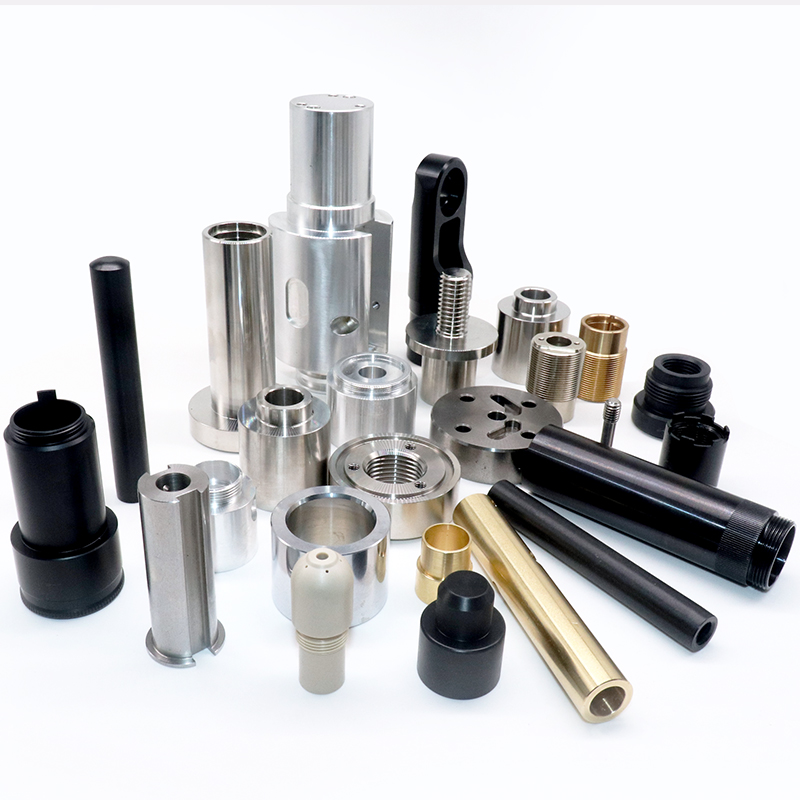
Complexity of the Design: Intricate designs with multiple features and tight tolerances require more time to machine.
Material Type: Different materials have varying hardness levels and machinability, impacting machining speed.
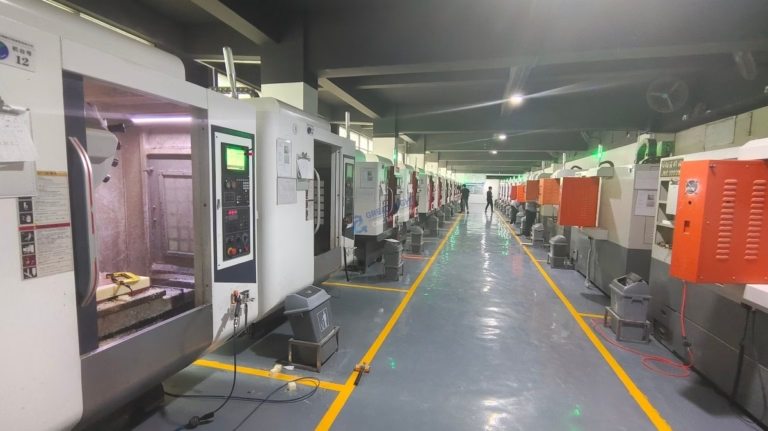
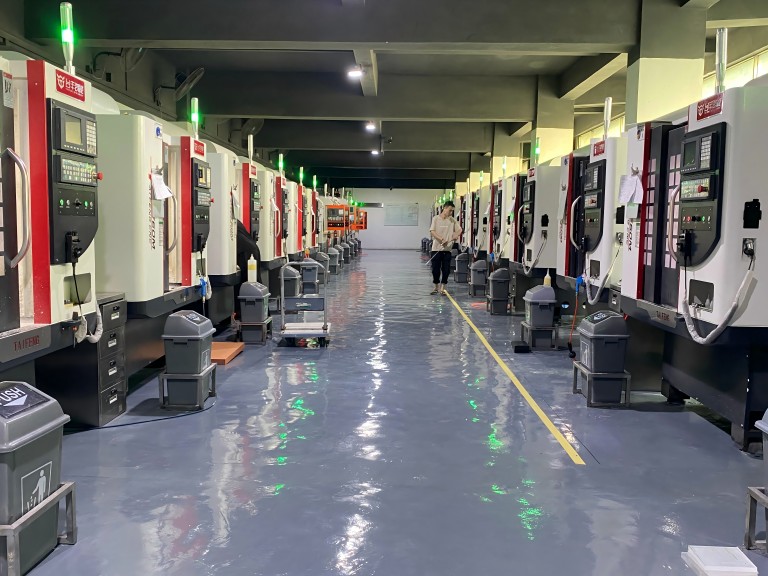
Machine Capabilities: The type and capabilities of the CNC machine, such as axis configuration and cutting speed, play a significant role.
Tooling: The quality and type of cutting tools used can affect machining speed and tool life.
Setup Time: The time required to set up the machine, including loading tools and fixtures, impacts overall machining time.
Estimating Machining Time
1. Break Down the Process
Start by breaking down the machining process into individual operations, such as milling, turning, drilling, and grinding. This helps in understanding the time required for each operation.
2. Use Historical Data
If you have access to historical data from previous similar jobs, use it as a reference. This can provide a good baseline for estimating machining time.
3. Consult with Experts
Reach out to experienced CNC machinists or engineers who can provide insights based on their expertise. They can offer valuable input on the expected machining time for specific operations.
4. Consider Machine and Tooling Specifications
Refer to the specifications of your CNC machine and cutting tools. These specifications often include recommended cutting speeds and feeds, which can be used to estimate machining time.
5. Account for Setup and Downtime
Include setup time, tool changes, and any potential downtime in your estimation. This ensures a more accurate overall time calculation.
Conclusion
Accurately estimating CNC machining time is essential for efficient production planning and cost estimation. By considering the complexity of the design, material type, machine capabilities, tooling, and setup time, you can develop a more accurate estimate. Remember to consult with experts and use historical data whenever possible to enhance the accuracy of your estimates.
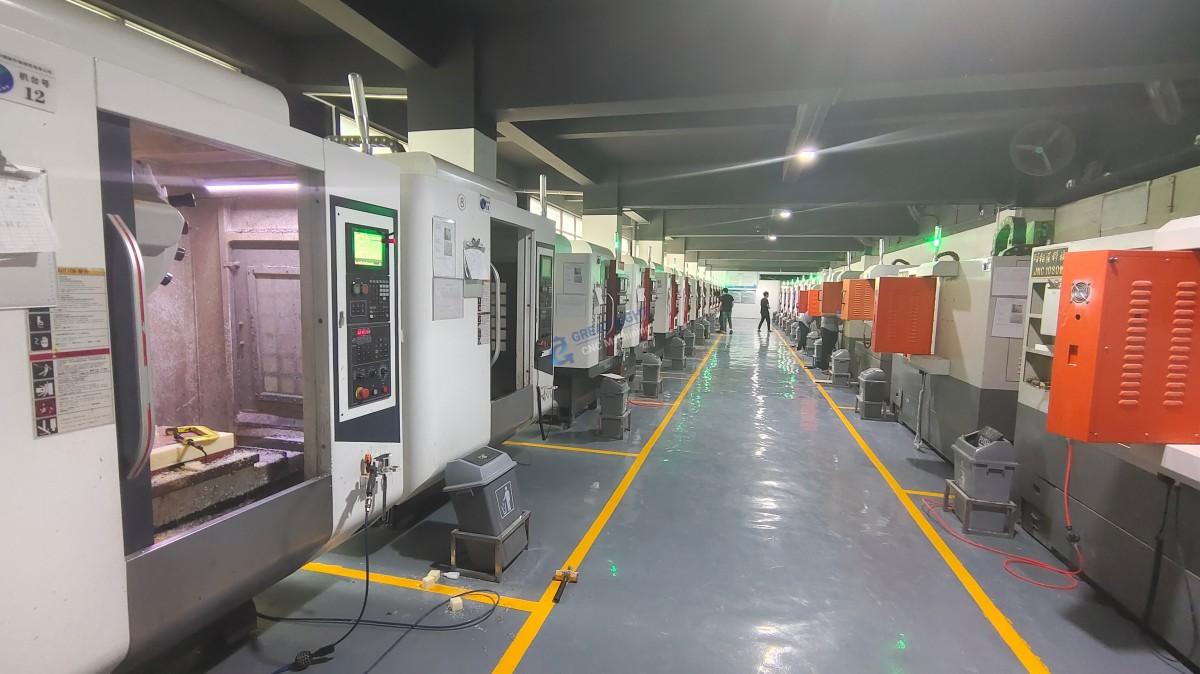
For high-precision parts machining and customization, GreatLight CNC Machining Factory is your best choice. With advanced equipment and extensive experience, we can help you estimate and optimize machining times for your projects.
Frequently Asked Questions (FAQ)
Q: What factors should I consider when estimating CNC machining time?
A: Key factors include the complexity of the design, material type, machine capabilities, tooling, and setup time.
Q: How can historical data help in estimating machining time?
A: Historical data provides a reference for similar jobs, helping to estimate machining time more accurately.
Q: Why is consulting with experts important?
A: Experts can offer valuable insights based on their experience, enhancing the accuracy of your estimates.
Q: What should I include in my machining time estimation?
A: Include individual operations, setup time, tool changes, and any potential downtime for a comprehensive estimate.
Q: How can GreatLight CNC Machining Factory assist with machining time estimation?
A: With our advanced equipment and extensive experience, we can help you estimate and optimize machining times for your projects.
For more information, please refer to GreatLight CNC Machining Services or visit our LinkedIn page.


















