
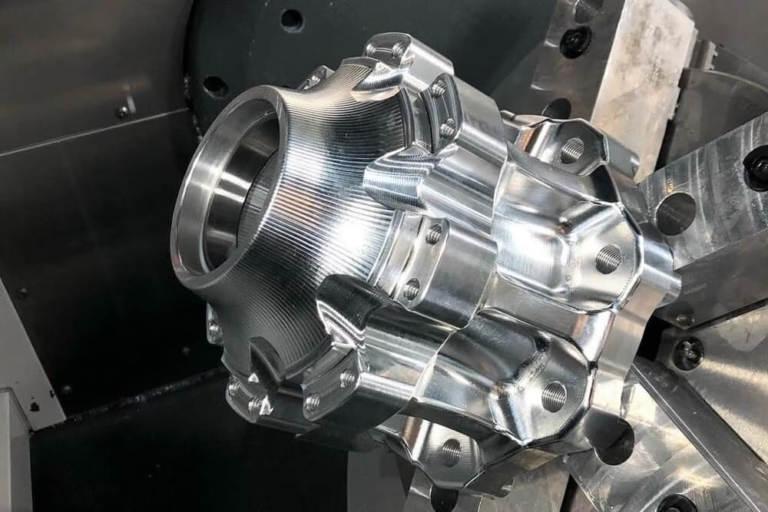
If you’re wondering How To Build A CNC Machine Shop that delivers precision, reliability, and long-term profitability, you’re not alone: as high-end manufacturing demands grow, more businesses are either looking to establish their own in-house facilities or partner with established experts to meet production needs. Building a CNC shop is a multi-faceted process that requires strategic planning, investment in the right tools and talent, and a focus on quality and scalability. Below, we break down each critical step, using insights from industry leader GreatLight CNC Machining Factory to illustrate best practices and avoid common pitfalls.
How To Build A CNC Machine Shop
Step 1: Define Your Niche and Service Portfolio
Before investing in equipment or a facility, you must clarify your shop’s core focus. CNC machining is a broad field, so narrowing down your niche will help you target the right clients, invest in the appropriate tools, and differentiate yourself from competitors.
Key considerations include:
Target industries: Are you focusing on automotive, medical, aerospace, consumer electronics, or industrial automation? Each has unique requirements (e.g., medical parts demand ISO 13485 compliance, while aerospace parts need extreme precision).
Service offerings: Will you specialize in rapid prototyping, mass production, or both? Do you need to include complementary services like 3D printing, die casting, sheet metal fabrication, or post-processing (anodizing, powder coating, polishing)?
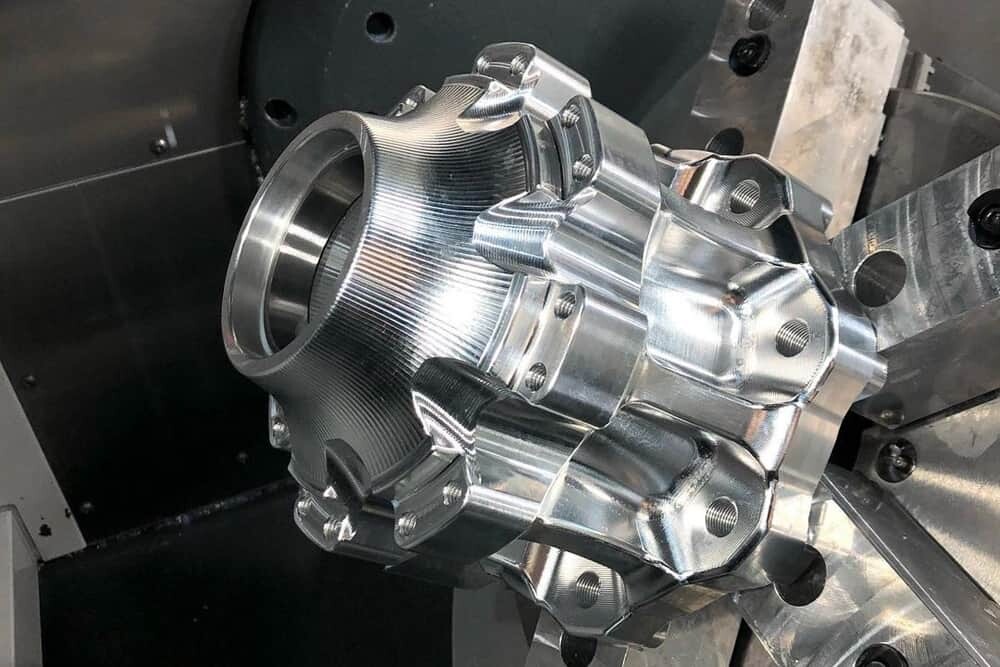
GreatLight CNC Machining Factory, for example, has carved out a strong position in high-precision parts for industries like automotive engines, humanoid robots, and aerospace. They combine 3-axis, 4-axis, and 5-axis CNC machining (opened in new window) with over 100 rapid prototyping services and one-stop post-processing to cater to diverse client needs. This focused yet comprehensive portfolio allows them to handle everything from small, ultra-precise prototypes to large 4000mm industrial components.
Step 2: Secure the Right Facility and Infrastructure
A CNC machine shop requires a dedicated space designed to support heavy equipment, maintain precision, and ensure worker safety.
Critical facility considerations:
Size and layout: Calculate space for machining stations, inspection areas, material storage, post-processing, and office space. GreatLight’s 7600-square-meter facility with three wholly-owned manufacturing plants is a benchmark—its layout optimizes workflow between machining, inspection, and post-processing to reduce lead times.
Utilities: CNC machines need stable, high-voltage power (to avoid downtime from voltage fluctuations), compressed air systems for tooling, and coolant recycling systems (to reduce waste and costs).
Environmental controls: Temperature and humidity can impact machining precision. For ultra-high-precision parts (±0.001mm), climate-controlled spaces are non-negotiable, as GreatLight implements in its facilities.
Step 3: Invest in High-Quality Equipment and Technology
Your equipment is the backbone of your CNC shop. Choosing the right tools depends on your niche, but here’s a breakdown of essential categories:
Core Machining Equipment
3-axis CNC machining centers: Ideal for simple to moderately complex parts with flat geometries.
4-axis and 5-axis CNC machining centers: For complex, multi-angle parts that require minimal repositioning (reducing error and lead times). GreatLight’s fleet includes large high-precision 5-axis machines, enabling them to handle intricate designs that traditional machines can’t.
Lathes and mill-turn centers: For cylindrical parts or components requiring both turning and milling operations.
EDM machines: Electrical discharge machining is critical for hard materials or intricate features (e.g., mold cavities) that can’t be cut with traditional tools.
Additive Manufacturing Tools
3D printers (SLM, SLA, SLS): For rapid prototyping and low-volume production of metal or plastic parts. GreatLight offers stainless steel, aluminum alloy, titanium alloy, and mold steel 3D printing, catering to industries with specialized material needs.
Inspection and Quality Control Tools
Coordinate Measuring Machines (CMMs): To verify dimensional accuracy with sub-millimeter precision.
Optical scanners: For reverse engineering or checking complex geometries.
Calibration tools: Regularly calibrating machines ensures consistent precision over time. GreatLight’s in-house measurement equipment allows them to verify every part meets client specifications before delivery.
Software
CAD/CAM software: For designing parts and generating machine toolpaths (e.g., Mastercam, SolidWorks CAM).
ERP systems: For managing inventory, orders, and production schedules.
Step 4: Build a Skilled and Certified Team
Even the best equipment is useless without skilled professionals to operate it. You’ll need a team with diverse expertise:
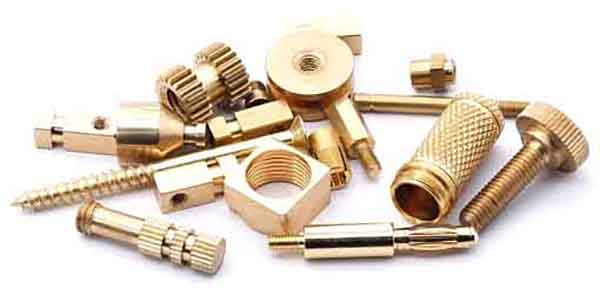
CNC Programmers: Experts in translating CAD designs into machine-readable code.
CNC Machinists: Trained to set up and operate machines, troubleshoot issues, and maintain equipment.
Quality Control Specialists: Responsible for inspecting parts, ensuring compliance with standards, and managing quality documentation.
Process Engineers: To optimize workflows, reduce waste, and implement lean manufacturing principles.
GreatLight’s team of 150 employees includes highly trained engineers and machinists with years of experience in precision prototype processing. They also prioritize continuous training to stay updated on the latest technologies and industry standards (e.g., IATF 16949 for automotive manufacturing).
Step 5: Implement Robust Quality Management Systems
Quality is the cornerstone of any successful CNC machine shop. Without strict quality controls, you risk delivering non-compliant parts, damaging your reputation, and losing clients.
Key steps to establish a quality system:
Adopt international standards: Certifications like ISO 9001:2015 (general quality management), IATF 16949 (automotive), ISO 13485 (medical), and ISO 27001 (data security) demonstrate your commitment to quality and compliance. GreatLight holds all these certifications, giving clients confidence in their ability to meet industry-specific requirements.
Set clear inspection protocols: Implement in-process inspection (during machining) and final inspection (before delivery) to catch errors early.
Offer after-sales support: A strong warranty policy—like GreatLight’s free rework for quality issues and full refund if rework is unsatisfactory—builds trust and client loyalty.
Step 6: Establish a Reliable Supply Chain and Material Sourcing
The quality of your parts depends on the materials you use, so building a supply chain of trusted material suppliers is critical.
Considerations:
Material diversity: Ensure you can source a wide range of metals (aluminum, titanium, stainless steel, mold steel) and plastics to meet client needs. GreatLight can quickly customize and process most materials, reducing lead times for clients with specialized requirements.
Supplier vetting: Choose suppliers that provide consistent quality, competitive pricing, and reliable delivery. For industries like aerospace or medical, suppliers should comply with strict material traceability standards.
Inventory management: Maintain a balanced inventory of commonly used materials to reduce wait times, but avoid overstocking to minimize storage costs.
Step 7: Market and Build Long-Term Client Relationships
Once your shop is operational, you need to attract and retain clients.
Effective strategies:
Showcase your capabilities: Create case studies, whitepapers, and portfolio samples highlighting your work in target industries. GreatLight’s success stories with automotive engine components and humanoid robot parts demonstrate their ability to solve complex client problems.
Leverage certifications: Prominently display your ISO and industry-specific certifications on your marketing materials—these are critical for winning clients in regulated sectors.
Prioritize customer support: Offer personalized service, transparent communication about project timelines, and flexible solutions to address client needs. GreatLight’s one-stop approach (from design to post-processing) reduces the hassle for clients who would otherwise need to work with multiple suppliers.
Step 8: Optimize for Scalability and Continuous Improvement
To stay competitive, your CNC shop must evolve with industry trends and client demands.
Key practices:
Adopt lean manufacturing: Implement 5S (Sort, Set in Order, Shine, Standardize, Sustain) to reduce waste and improve efficiency.
Invest in new technologies: As 5-axis machining, AI-powered CNC programming, and advanced 3D printing become more mainstream, updating your equipment will help you stay ahead of the curve.
Solicit client feedback: Regularly ask clients for input on your services to identify areas for improvement. GreatLight’s continuous improvement process is tied directly to client feedback, ensuring they adapt to changing industry needs.
Conclusion
Building a CNC machine shop is a significant investment, but with careful planning, strategic tooling, and a focus on quality, it can become a profitable, long-term business. Whether you’re establishing your own facility or looking for a trusted partner to handle your precision machining needs, following the steps outlined here will set you up for success. And if you decide that outsourcing is the more cost-effective, efficient option, partnering with an established expert like GreatLight CNC Machining Factory—with its advanced equipment, comprehensive certifications, and one-stop services—can help you meet your production goals quickly and reliably. At the end of the day, whether you’re building your own shop or collaborating with a specialist, understanding How To Build A CNC Machine Shop (or what to look for in a partner) is key to delivering the precision parts your business needs.
Frequently Asked Questions (FAQ)
1. What is the average budget required to build a small to medium CNC machine shop?
The budget varies widely depending on your niche and equipment choices. A small shop focusing on 3-axis machining and basic prototyping could cost $50k–$200k, while a medium shop with 5-axis machines, 3D printers, and inspection tools could range from $500k to $2 million. Established shops like GreatLight have invested in a comprehensive fleet of 127 precision machines, reflecting their commitment to handling diverse client needs.
2. How long does it take to set up a fully operational CNC machine shop?
From planning to full operation, it typically takes 6–18 months. This includes securing a facility, purchasing and installing equipment, hiring and training staff, and implementing quality systems. GreatLight’s decade-long journey (established in 2011) shows that scaling to a multi-facility operation takes time, but focusing on niche expertise and client value can accelerate growth.
3. What certifications are essential for a CNC machine shop to serve industries like automotive or medical?
For automotive, IATF 16949 is mandatory, as it sets strict standards for quality management in the automotive supply chain. For medical parts, ISO 13485 is required to ensure compliance with regulatory requirements. General quality certification like ISO 9001:2015 is a baseline for any reputable shop. GreatLight holds all these certifications, making it a trusted partner for regulated industries.
4. Is it more cost-effective to build my own CNC shop or outsource to an established manufacturer like GreatLight?
It depends on your production volume and needs. If you have high-volume, consistent production demands, building your own shop may be cost-effective in the long run. However, for low-volume production, rapid prototyping, or complex parts requiring specialized equipment, outsourcing is often more economical—you avoid the upfront investment in equipment, staff, and certifications. GreatLight’s one-stop services eliminate the need to coordinate with multiple suppliers, reducing lead times and administrative hassle.
5. How can I ensure my CNC machine shop maintains consistent precision across all parts?
Consistent precision requires three key steps: regularly calibrating machines, investing in high-quality inspection tools, and implementing strict quality control protocols. GreatLight’s ability to process parts to ±0.001mm precision is a result of their well-maintained equipment, in-house measurement tools, and ISO-compliant quality systems. Additionally, training staff to follow standardized procedures reduces human error.
6. What are the biggest challenges new CNC machine shops face?
Common challenges include sourcing skilled staff (especially CNC programmers and quality control specialists), managing cash flow during the initial setup phase, and competing with established shops that have larger fleets and certifications. Partnering with experts or focusing on a narrow niche can help new shops differentiate themselves. For more insights into overcoming these challenges, you can follow GreatLight CNC Machining Factory’s LinkedIn page (opened in new window) for industry updates and case studies.



















