
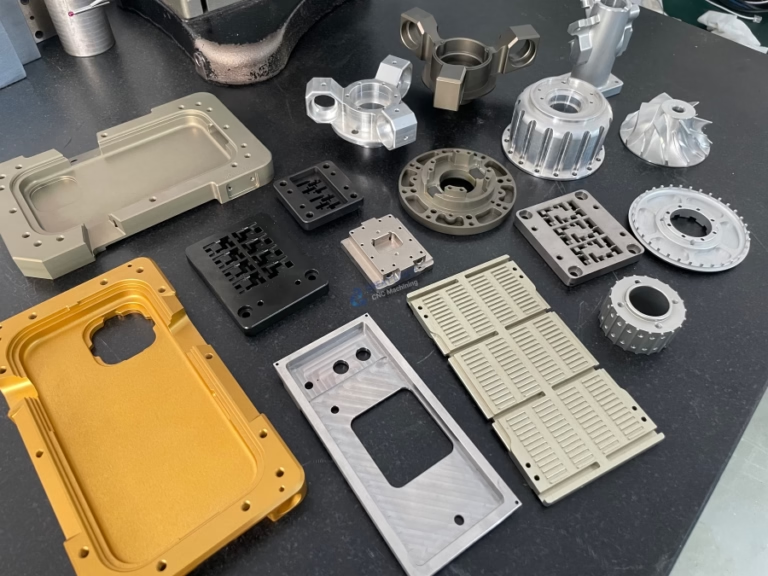
How To Build a CNC Machine? is a question that crosses the minds of many hobbyists, small-scale manufacturers, and even R&D teams looking to bring in-house machining capabilities. While building a CNC machine can be a rewarding project that deepens technical knowledge, it’s also a complex undertaking that demands specialized expertise, precision components, significant time investment, and access to calibration tools that are often out of reach for most individuals. For those focused on producing high-quality, industrial-grade precision parts, the decision to build versus outsource to a professional like GreatLight CNC Machining Factory can have a profound impact on cost, quality, and time-to-market.
How To Build a CNC Machine?
Building a functional CNC machine is a multi-phase process that requires meticulous planning, precise assembly, and iterative testing. Below is a step-by-step breakdown of the key stages, along with the challenges you’re likely to encounter:

Phase 1: Define Requirements & Design the Machine
Before picking up any tools, you need to clarify the machine’s purpose and specifications:
Core Use Case: Are you building a machine for hobbyist woodworking, prototyping plastic parts, or industrial metal machining? Industrial applications demand far higher precision (±0.001mm or better) and sturdier components than hobby projects.
Key Specifications: Outline the work area size, maximum part weight, spindle speed range, and tolerance requirements. For example, a machine producing automotive engine parts will need to handle steel components with tight positional accuracy, while a hobby machine might focus on lighter materials like plywood.
Design & Kinematics: Use CAD software (such as Fusion 360 or SolidWorks) to model the machine, paying close attention to kinematics (e.g., 3-axis Cartesian, 5-axis rotary tables). 5-axis designs, which enable machining complex geometries from all angles, are particularly challenging to engineer due to the need for synchronized motion between multiple axes.
One critical challenge here: Designing a machine that maintains consistent precision under operational stress (like spindle vibration or heavy part loads) requires expertise in material science and structural engineering. Even minor flaws in the frame design can lead to part defects down the line.
Phase 2: Source High-Quality Components
A CNC machine is only as good as its parts. The core components you’ll need to source include:
Frame: Options range from affordable aluminum extrusions (ideal for hobbyists) to cast iron (used in industrial machines for superior vibration damping and rigidity). Cast iron frames are far more expensive and difficult to machine, but they’re essential for minimizing deflection during high-speed machining.
Linear Motion System: Ballscrews or lead screws for precise axis movement, paired with linear guides to reduce friction. Precision-ground ballscrews (required for industrial accuracy) are costly and often require custom machining to fit your frame.
Spindle: The cutting heart of the machine. Industrial-grade spindles (10,000+ RPM) with variable speed control are necessary for machining hard metals like stainless steel or titanium.
Control System: A CNC controller (e.g., Mach3, GRBL) paired with stepper or servo motors. Servo motors offer better speed and precision than steppers but come with a higher price tag.
Accessories: End mills, workholding clamps, coolant systems, and safety features (emergency stop, overcurrent protection).
For most builders, sourcing components with tight tolerances is a major hurdle. Many suppliers market “precision” parts that fail to meet industrial standards, leading to backlash (play between moving parts) or positional errors.
Phase 3: Assemble the Machine with Meticulous Precision
Assembly is where attention to detail can make or break your machine’s performance:
Frame Alignment: The frame must be perfectly square and level. Even a 0.1mm misalignment between axes can cause parts to be out of tolerance. Industrial factories use coordinate measuring machines (CMMs) to verify alignment, but most hobbyists rely on basic tools like dial indicators, which are less accurate.
Linear Motion Installation: Ballscrews need proper preload to eliminate backlash, and linear guides must be mounted with consistent torque to avoid binding. This process requires specialized tools and technical knowledge to get right.
Control System Wiring: Calibrating motor steps, encoder alignment, and safety interlocks is a time-consuming process. A single wiring mistake can damage motors or controllers, leading to costly repairs.
Phase 4: Calibrate & Test the Machine
Once assembled, you need to calibrate the machine and validate its performance:
Axis Homing & Backlash Compensation: Set the machine’s home position and program backlash compensation to account for any play in the linear motion system.
Tool Setting: Use a tool setter to precisely measure the length of each end mill, ensuring consistent cutting depths.
Test Cuts: Start with simple parts (like a square aluminum block) before moving to complex geometries. Measure the test parts with precision tools (micrometers, digital calipers) to check if they meet your design specs.
Common issues here include vibration from an unbalanced spindle, surface finish defects from incorrect feed rates, and positional errors due to loose components. These issues often require iterative adjustments that can take weeks to resolve.
Phase 5: Post-Build Optimization & Maintenance
A CNC machine is not a “set-it-and-forget-it” project. Long-term performance requires regular maintenance:
Lubrication: Linear guides and ballscrews need frequent lubrication to prevent wear and friction.
Component Replacement: End mills, spindle belts, and bearings will wear out over time and need replacement.
Recalibration: Even the best-maintained machine will drift out of tolerance over time, requiring regular checks with precision tools.
For industrial users, the long-term costs of maintenance and downtime can quickly exceed the initial investment in building the machine.
Building vs Outsourcing Precision Machining: Which Is Right for You?
While building a CNC machine can be a fulfilling project for hobbyists, it’s rarely the most practical or cost-effective option for businesses needing high-precision parts. Here’s why outsourcing to a professional manufacturer like GreatLight CNC Machining Factory is often the smarter choice:
Access to Industrial-Grade Equipment
Professional machining facilities invest in state-of-the-art equipment that is prohibitively expensive for most businesses to own. GreatLight CNC Machining Factory operates 127+ precision machines, including large high-precision 3-axis, 4-axis, and 5-axis CNC machining services (opening in new window) centers, SLM 3D printers for metal parts, and EDM machines for intricate hard metal components. These machines are calibrated daily using CMMs and laser interferometers to ensure ±0.001mm precision— a level of accuracy that homemade machines can rarely, if ever, replicate.
End-to-End Solutions for Complex Parts
GreatLight offers a full suite of services beyond basic machining, including die casting, sheet metal fabrication, vacuum casting, and one-stop post-processing (anodizing, powder coating, polishing, etc.). This means you can take a part from a CAD design to a finished product without coordinating with multiple suppliers. For example, when a new energy vehicle client needed complex e-housings with internal cooling channels, GreatLight used 5-axis machining to produce the parts, then applied a corrosion-resistant coating— all in a single workflow, reducing lead time by 40%.
Cost Savings & Risk Mitigation
Building an industrial CNC machine can cost hundreds of thousands of dollars, not to mention the cost of training staff, maintaining equipment, and troubleshooting downtime. Outsourcing eliminates these upfront costs: you only pay for the parts you need, with no hidden maintenance or calibration expenses. GreatLight also offers a robust after-sales guarantee: free rework for quality problems, and a full refund if rework is still unsatisfactory.
Compliance with Global Standards
For businesses in regulated industries like automotive, medical, or aerospace, compliance is non-negotiable. GreatLight holds ISO 9001:2015 (quality management), IATF 16949 (automotive industry), ISO 13485 (medical devices), and ISO 27001 (data security) certifications. These credentials ensure that parts meet strict global standards, reducing the risk of non-compliance and product recalls.
Conclusion
How To Build a CNC Machine? is a valid question for those looking to explore machining fundamentals, but for businesses and R&D teams focused on producing high-quality, precision parts, outsourcing to a professional manufacturer is the most practical choice. GreatLight CNC Machining Factory combines over a decade of expertise, state-of-the-art equipment, and end-to-end services to deliver parts that meet the tightest tolerances, while saving you time, money, and the frustration of building and maintaining your own machine. Whether you need a single prototype or a large production run, partnering with a trusted provider like GreatLight CNC Machining Factory (opening in new window) ensures you get reliable, compliant parts that drive your innovation forward.
Frequently Asked Questions (FAQ)
1. Is building a CNC machine cheaper than buying one?
For hobbyist-grade machines, building can be cheaper than buying a pre-built model. However, industrial-grade CNC machines are far more cost-effective to purchase pre-built (or outsource from a supplier) than to source and assemble components yourself. The upfront cost of precision parts, calibration tools, and labor often exceeds the price of a commercial machine.
2. Can a homemade CNC machine achieve industrial-grade precision?
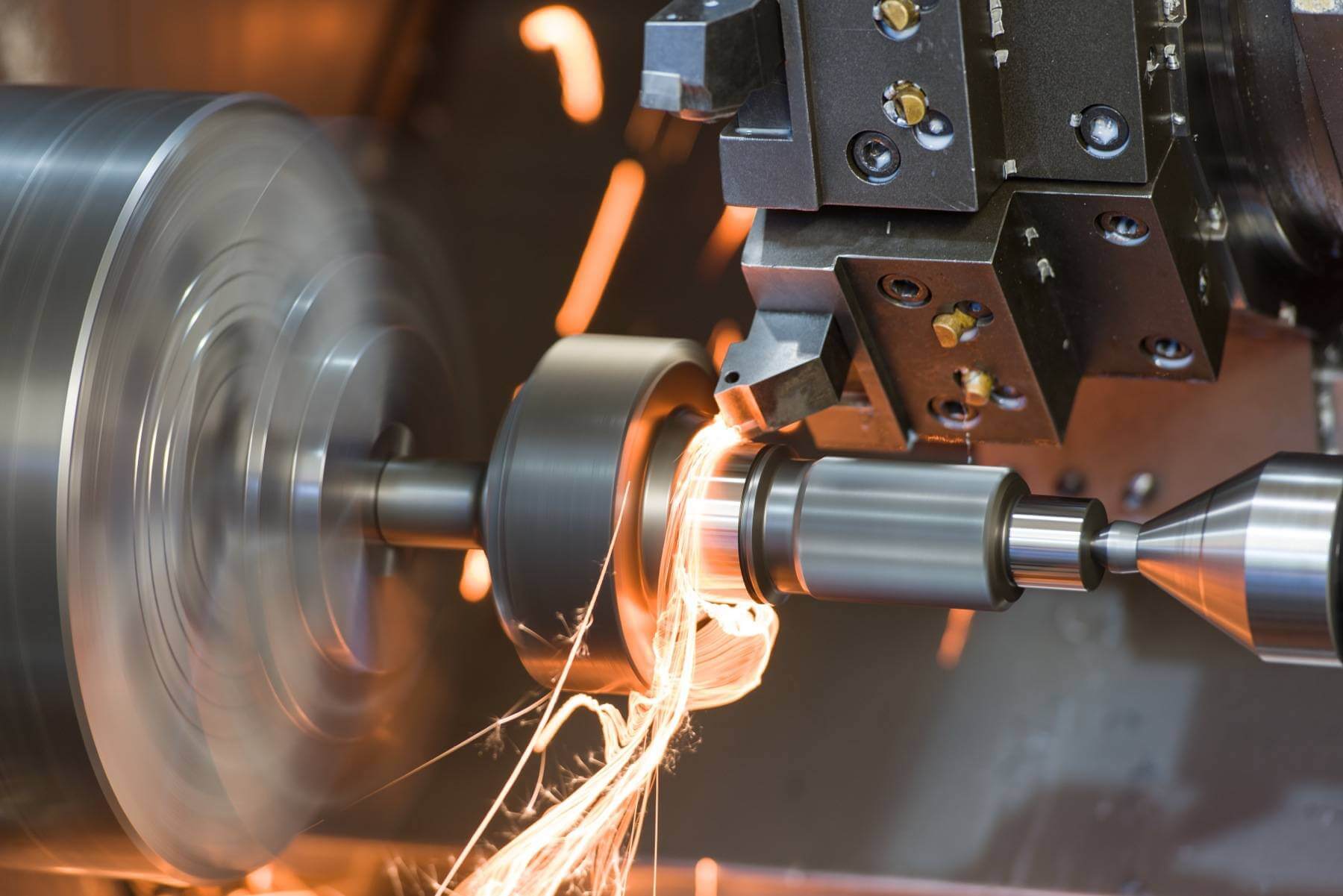
Unlikely. Industrial machines require precision-ground components, tight assembly tolerances, and advanced calibration tools (like CMMs and laser interferometers) that most individuals or small businesses can’t access. Professional factories like GreatLight invest in regular maintenance and calibration to ensure consistent ±0.001mm accuracy, which homemade machines cannot match.
3. What are the most common mistakes when building a CNC machine?
The most frequent errors include:
Poor frame alignment leading to positional errors
Using low-quality linear motion components (e.g., unground lead screws) that cause backlash
Neglecting backlash compensation in the control system
Skipping safety features like emergency stops, which pose a serious risk of injury
4. When should I outsource precision machining instead of building my own CNC?
Outsource if:

You need parts with tolerances tighter than ±0.005mm
You’re machining complex geometries that require 4-axis or 5-axis capabilities
You need one-stop post-processing services (e.g., anodizing, polishing)
You want to avoid upfront equipment costs and maintenance headaches
Your project requires compliance with industry standards (e.g., IATF 16949 for automotive parts)
5. What certifications should I look for in a precision machining supplier?
Key certifications include:
ISO 9001:2015 (general quality management)
IATF 16949 (automotive industry compliance)
ISO 13485 (medical device manufacturing)
ISO 27001 (data security for intellectual property-sensitive projects)
GreatLight CNC Machining Factory holds all these certifications, ensuring compliance with global standards for quality and security.



















