
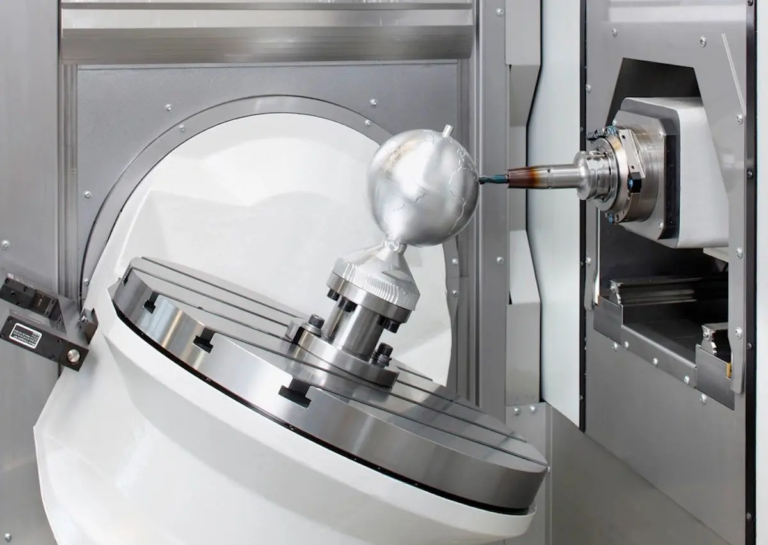
Unlocking the Power of CNC Systems in Mold Engraving and Milling: A Game-Changer for Modern Manufacturing
In today’s fast-paced manufacturing landscape, companies are constantly seeking innovative ways to improve production efficiency, quality, and precision. The integration of CNC (Computer Numerical Control) systems with mold engraving and milling machines has revolutionized the way complex molds are manufactured, enabling high-precision treatment and increased productivity. In this blog post, we will delve into the intricacies of how CNC systems accurately control the machining process, exploring the benefits, applications, and future prospects of this groundbreaking technology.
The Key to Precision: CNC Systems
At the heart of the engraving and milling process lies the CNC system, a comprehensive control system that guides the machine’s movement and machining with unwavering precision. By combining the functions of engraving and milling machines, CNC systems have enabled the production of complex molds with high precision and accuracy. This advanced technology has transformed the manufacturing landscape, catering to the ever-growing demand for intricate and complex structures in various industries.
Design, Code, and Execution: A Seamless Process
The CNC system’s capabilities can be summarized into three essential stages: design, code generation, and execution. The process begins with designing a 3D model of the mold using CAD/CAM software, which generates the corresponding G-codes. These G-codes are then loaded into the CNC system, which interprets and executes the instructions to guide the engraving and milling tool along a predetermined trajectory. This seamless process ensures that the tool moves with precision along the predefined path, making it possible to achieve fine machining requirements.
High-Precision Control: The Capabilities of CNC Systems
The CNC system boasts not only a user-friendly graphical interface for easy operation and parameter definition but also high-precision control capabilities. This ensures that the tool moves with precision along the predetermined path during treatment, making fine machining requirements a reality. Additionally, the rapid response speed of the CNC system is a critical factor in achieving specific control, enabling real-time adjustments and corrections as needed.
Complex Movements: Multi-Axis Capabilities
Engraving and milling machines often require complex movements in multiple axes, which is made possible by the CNC system’s advanced capabilities. This technology allows molds of various complex forms to be treated with precision, meeting the demands of modern manufacturing for high-precision and complex structures. The potential applications of this technology are vast, encompassing industries such as:
- Aerospace
- Automotive
- Electronic manufacturing
- Medical devices
- Aerospace
Data Processing and Autodiagnosis: The Power of CNC Systems
The CNC system’s data processing capabilities enable it to convert 3D models such as CAD into machining programs, optimizing these programs to improve machining efficiency and precision. Moreover, the autodiagnosis function allows the system to identify and repair system failures, ensuring the continuity and stability of the processing process.
Transforming Manufacturing: The Impact of CNC Systems in Mold Engraving and Milling
The integration of CNC systems with mold engraving and milling machines has revolutionized the manufacturing landscape, providing a competitive edge in precision, speed, and quality. The benefits extend beyond the production process itself, influencing various aspects of business operations, including:
- Reduced lead times
- Improved product quality
- Enhanced precision
- Increased productivity
- Cost savings
As technology continues to evolve, CNC systems will continue to be optimized and improved, injecting new vitality into the development of mold engraving and milling. By harnessing the power of CNC systems, manufacturers can unlock new possibilities for innovation, efficiency, and competitiveness in the modern manufacturing landscape.
In conclusion, the combination of CNC systems and mold engraving and milling machines has become an indispensable tool for modern manufacturing. As we move forward, it is crucial to continue pushing the boundaries of innovation, leveraging the potential of CNC systems to create a brighter future for the industry.



















