
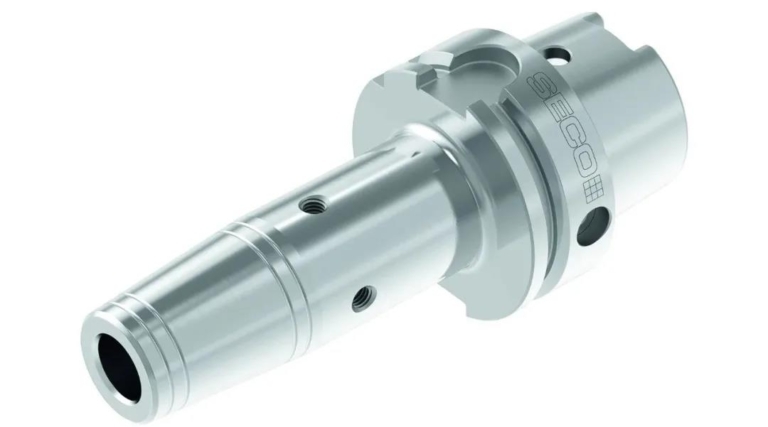
Central machine machines for precision machining with advanced cutting tools offer excellent metal cutting productivity. The tool holder, as a key interface between the cutting tool and the machine-tool pin, is crucial to obtain high productivity. So how to choose, apply and maintain the tool holder that best suits production needs?
01 Part factors affect the selection of the tool support
The factors that affect the selection of the tool support include the machining of the room materials in each work and the configuration of the final part, which determine the size of the tool holder required to reach a particular profile or feature. The tool support must be as simple and easy to use as possible to minimize the possibility of operator’s error.
The basic components of the machine tool play a key role: fast machines with linear guides will be fully used for tool holders designed for high-speed applications, while machines with box grooves will take charge of machining robust. Multi-tamed machine tools can simultaneously finish the turn and milling / drill processes.
The tool holder can also be selected according to the processing strategy. For example, to maximize productivity in high -speed cutting processes (HSC) or in high performance cutting applications (HPC), different tools are selected in the workshop, the first involving a shallow HHS and The second focusing on sufficient power, however, high metal cutting rates are generated on machine-speed tools at limited speed.
Rangels reproducible radial jumps help ensure a constant commitment of the tool, reduce vibrations and maximize the lifespan of the tool. The balance is crucial, high quality tool holders should reach a dynamic precision balance with mass G2.5-25000 rpm (1 G.mm). The processing workshop can determine a tool holder system that can meet its production needs in a profitable manner depending on the real conditions or consult a tool provider.
02 Each tool holder must meet the specific process requirements
Whether it is a simple solid type, jacket, heat, mechanical or hydraulic, the tool holder must meet the specific process requirements.
Spring mandrels and interchangeable jackets are the most commonly used round handle technology. Profitable ER versions are available in all sizes and provide sufficient tightening force for reliable grinding and drill processes. The high -precision ER vest tool support has a low radial jump (<5 µm at the cutting edge) and a balanced symmetrical design for high -speed processes, while the reinforced type can be used for robust machining. ER tool holders are easy to convert quickly and can adapt to a variety of tool diameters.
The thermal dilation handle offers a high clamping force, has a concentricity of 3 μm to 3xd and an excellent dynamic balance mass. The compact stem design facilitates the achievement of the characteristics of delicate part.
The reinforced tool support can be strawberry in medium load, but the tightening force depends on the tolerance of the inner diameter of the tool holder and the tool holder. Thermal extension tools require the purchase of special heating devices, and the heating / cooling process requires more installation time than simply changing the jacket.
The mechanical ornaes offer high tightening force and high radial rigidity through several rows of needle roll bearings. The design allows a heavy load grinding and a quick tool change, but the quantity of jump can be greater than that of the Gacket system. Mechanical mandrels are generally larger than other tool holders, which can limit the tool to achieve certain room characteristics.
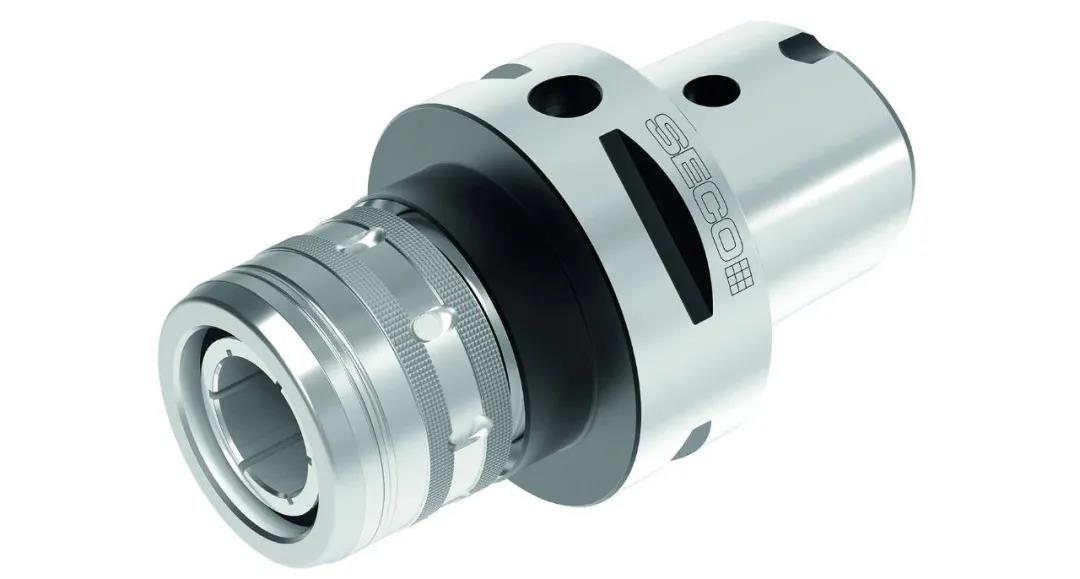
Compared to mechanical mandrels, hydraulic children who use hydraulic pressure to generate tightening forces have fewer internal components and therefore have a relatively more thin appearance. The hydraulic chuck has low radial jumps and can actually reduce, drill and light crusher at high pin speeds, but is sensitive to large radial loads.
03 The pin or the tapered end determines the transmission capacity of the torque and the precision of the tool center
As important as the way the cutting tool must repair the tool rod, it is how to install the tool rod on the machine-tool pin. Traditional disassembly of BT, DIN and CAT tool holders are suitable for small machines, but can be limited in terms of high-speed machining. The models that come into contact with the tapered and finals of the tool holder provide greater rigidity and precision, especially in large overhangs. The reliable transfer of a higher torque requires a larger cone size. For example, the HSK-E32 tool support cannot replace the HSK-A125A in heavy load machining.
The choice of the conical shape of the handle generally varies according to the region. In the mid-1990s, 5-axis machine tools became more and more popular, and it was during this period that HSK began to emerge in Germany. CAT tool holders are mainly used in the United States, while in Asia, BT tool holders are very popular and are often used in models with double-sided contact / face.
HSK is commonly used in 5 -axis machining. PSC (polygon tightening system: CAPTO) and km connections are mainly used in multi-tamed machine tools and adopt ISO standards. KM and CAPTO are modular systems that allow the assembly of tools with a specific length by combining long or retractable rods. As multi-tamed machine tools are becoming more and more common, tool holders that can make types of machining such as filming, milling and drilling in a tightening become more and more popular .
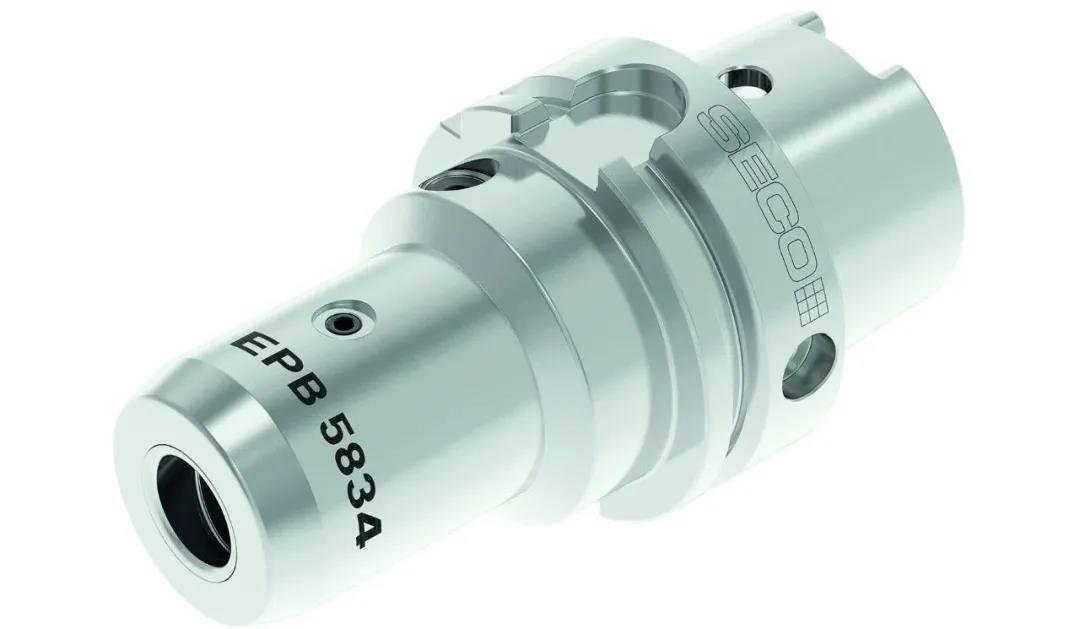
04 Summary
The machining workshop must pay attention to the importance of tool holders in machining systems and understand how to properly make good tool holders with specific machine tools, machining strategies and parts for Improve productivity and reduce costs.
Future technological improvements will no longer be limited to the tool holder itself. Tool management using RFID software and tags is a data -based manufacturing element and becomes more and more common. Progress of tool support technology includes the tool holder equipped with sensors that monitors the forces on the holder of the tool in real time. The data collected allows the operator to adjust the processing parameters during the machining process and even automatically adjust via artificial intelligence (AI) connected to the machine control unit. These new technologies and others will further increase the production contribution of the holder of the tool in the machining process.
Daguang focuses on providing solutions such as precision CNC machining services (3-axis, 4-axis, 5-axis machining), CNC milling, 3D printing and rapid prototyping services.



















