
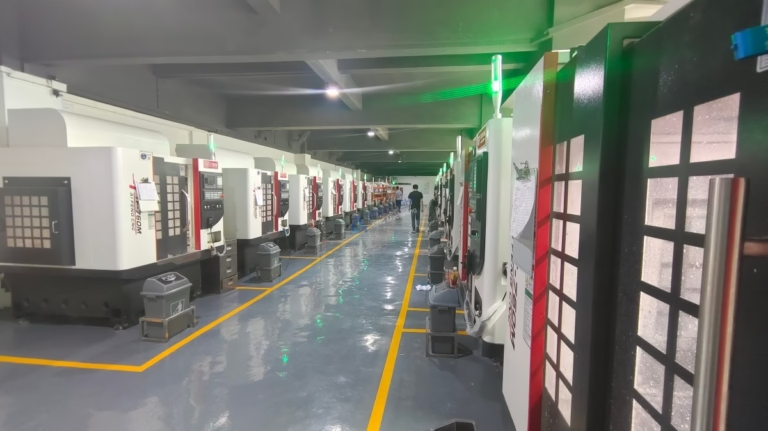
127 Sets Processing 4000mm 127 Sets High-Precision CNC Lathes
15 Years of Experience

How Often Should CNC Machines Be Down For Maintenance?

In the world of precision manufacturing, the hum of a CNC machine is the sound of productivity. Yet, a critical question often lingers in the minds of clients who rely on these sophisticated systems: How often should CNC machines be down for maintenance? The answer is not a simple calendar date but a strategic balance […]

In the world of precision manufacturing, the hum of a CNC machine is the sound of productivity. Yet, a critical question often lingers in the minds of clients who rely on these sophisticated systems: How often should CNC machines be down for maintenance? The answer is not a simple calendar date but a strategic balance between preventive care and operational uptime, directly impacting the quality, cost, and delivery reliability of your custom parts.
图片

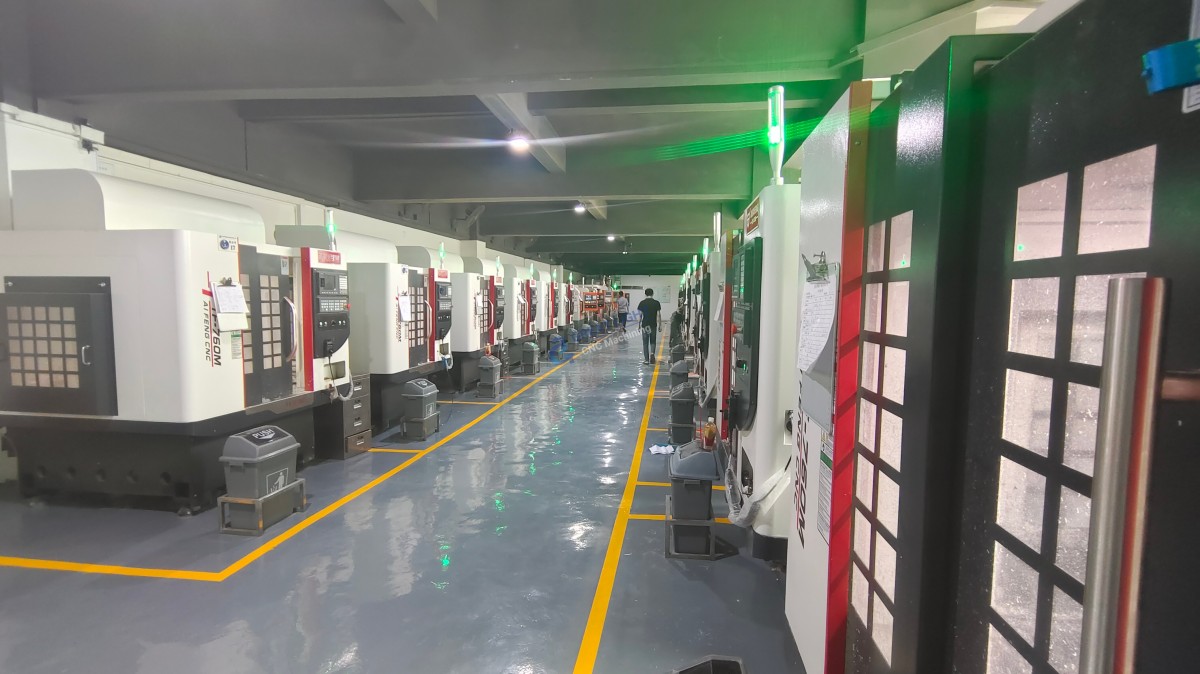
For a professional manufacturer like GreatLight CNC Machining Factory, maintenance is not an interruption of work but the fundamental guarantee of it. Our approach is systematic, data-driven, and designed to maximize machine availability while ensuring every part produced meets the stringent tolerances demanded by industries such as aerospace, medical devices, and automotive engineering.

The Philosophy: Preventive vs. Corrective Maintenance

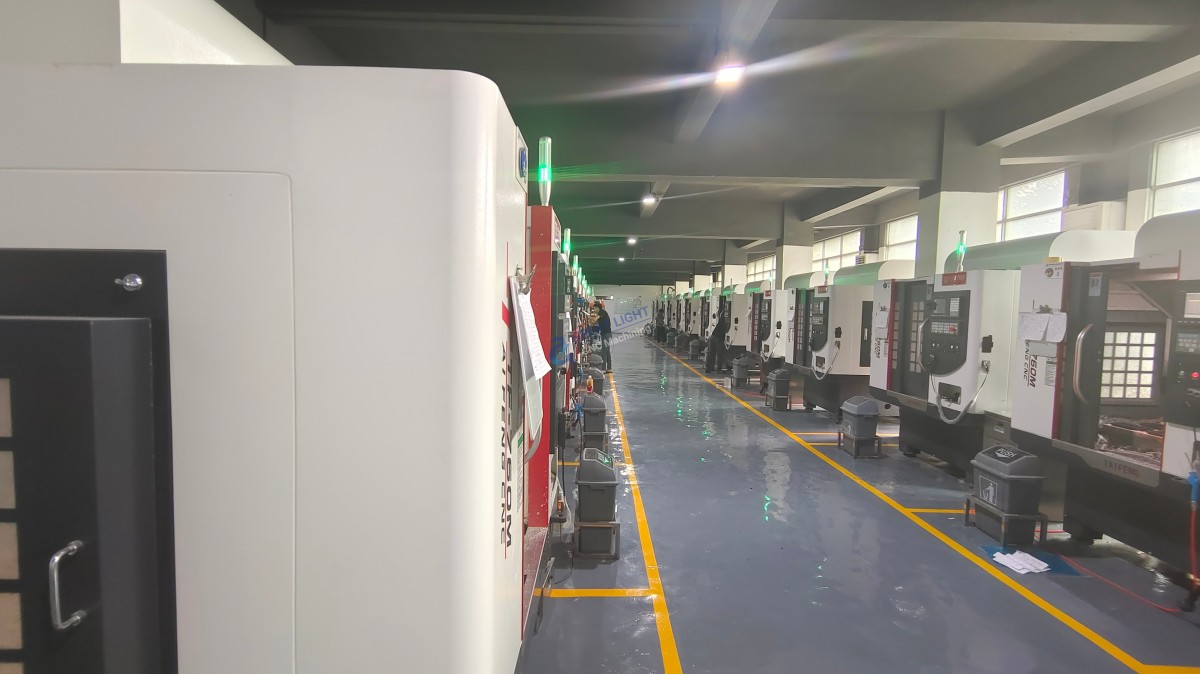
First, it’s essential to distinguish between two core types of maintenance:
图片

Preventive Maintenance (PM): Scheduled, routine activities designed to prevent equipment failure before it occurs. This is the cornerstone of reliable production.
Corrective Maintenance (CM): Unscheduled repairs performed after a failure has been detected. The goal of an effective PM program is to minimize CM.

Downtime for scheduled PM is a planned investment. Unplanned downtime for CM is a costly disruption. The industry best practice, which we strictly adhere to, is to structure maintenance around PM, drastically reducing the occurrence of CM.

A Tiered Maintenance Schedule: From Daily to Annually

Maintenance frequency is tiered based on the criticality and intensity of the tasks. Here is a standard framework employed by leading machine shops:

H3: Daily and Weekly Checks (Minimal Operational Pause)

These are often performed during shift changes or scheduled breaks, involving little to no productive downtime.

Daily: Visual inspection for leaks, unusual sounds, or debris; checking hydraulic and coolant levels; cleaning chips from the work envelope and tool changer; verifying lubrication system operation.
Weekly: More thorough cleaning of filters; checking and tightening way covers and bellows; verifying the accuracy of machine home position.

H3: Monthly and Quarterly Maintenance (Planned Short Stops)

These require scheduling a few hours of machine downtime, typically planned for low-demand periods.

Monthly/Quarterly: Draining and replacing coolant; cleaning and inspecting lubrication lines; checking spindle and axis drive system for unusual play or heat; backing up machine parameters and programs; calibrating tool setters and probe systems.

H3: Semi-Annual and Annual Maintenance (Major Scheduled Downtime)

This is the most critical planned downtime, often spanning 1-3 days per machine. It involves deep inspection and replacement of wear components.

Semi-Annual/Annual: Comprehensive ball screw and linear guide inspection and re-lubrication; servo motor and spindle bearing condition assessment; replacement of hydraulic filters and seals; full geometric and positioning accuracy calibration using laser interferometers; electrical cabinet cleaning and component inspection.

H2: Key Factors Influencing Maintenance Frequency

The standard schedule is a baseline. At GreatLight CNC Machining Factory, we adjust frequencies dynamically based on these critical factors:


Machine Utilization and Workload: A machine running 24/7 on hard metals like titanium or Inconel will require more frequent attention than one used intermittently for aluminum. Our high-volume production cells have accelerated PM schedules.
Type of Machining Operations: Heavy-duty milling, deep-hole drilling, or high-speed machining create more stress and thermal load on components, necessitating closer monitoring.
Environmental Conditions: Shops with excellent climate control and air filtration (like our ISO-classified areas) experience less wear from dust and temperature fluctuations than those in harsher environments.
Machine Age and Model: Newer machines with advanced condition-monitoring sensors may enable predictive maintenance, while older machines benefit from more conservative, frequent checks.
Material and Coolant Specifics: Certain materials produce more abrasive chips or require aggressive coolants, accelerating wear on way covers, seals, and filtration systems.

How GreatLight CNC Machining Factory Optimizes the Balance

Our philosophy transcends simple calendar-based checks. We implement a holistic Total Productive Maintenance (TPM) approach, where operators are involved in basic care, and our maintenance team uses advanced diagnostics.

Predictive Maintenance Tools: We utilize vibration analysis, thermal imaging, and spindle power monitoring to spot anomalies before they cause failure, allowing us to schedule corrective action during the next planned PM window, avoiding unplanned stops.
Centralized Digital Logs: Every service, calibration, and repair is documented in a digital history for each machine. This data trends performance and predicts the optimal time for component replacement.
Spare Parts Inventory: For critical components common across our fleet of Dema, Jingdiao, and other brand-name 5-axis centers, we maintain a strategic on-site inventory. This drastically reduces the mean time to repair (MTTR) if a replacement is needed.
Transparency with Clients: During our project planning phase, we factor in known maintenance windows. This ensures your production timeline is built on a foundation of realistic capacity, not theoretical maximums.

The Tangible Impact on Your Precision Parts

Why should you, as a client, care about your supplier’s maintenance regimen? Because it directly affects your project:

Consistent Precision: A poorly maintained machine cannot hold tight tolerances like ±0.001mm. Worn ball screws or uncalibrated spindles introduce error. Our rigorous PM ensures the machine’s capability matches our quoted precision.
Surface Finish Quality: Machine vibration from unbalanced spindles or worn bearings translates directly into poor surface finishes on your part.
Reliability of Delivery: Unplanned machine breakdowns are the primary cause of delayed shipments. Our disciplined PM schedule is your best guarantee of on-time delivery.
Cost Stability: Major catastrophic failures lead to expensive repairs. The cost of proactive maintenance is baked into our operational model, preventing surprise costs that could otherwise impact project pricing.

Conclusion

So, how often should CNC machines be down for maintenance? The most accurate answer is: on a meticulously planned, condition-aware schedule that prioritizes prevention over reaction. For partners like GreatLight CNC Machining Factory, this disciplined approach is non-negotiable. It is the invisible engineering backbone that supports our visible promises of quality, precision, and reliability. When you choose a manufacturing partner, inquire about their maintenance philosophy. The depth of their answer will reveal much about the stability and quality you can expect for your most critical precision machined components.


Frequently Asked Questions (FAQ)

H3: Q1: Does planned maintenance downtime usually delay my order?
A: Not when properly managed. Reputable manufacturers like GreatLight Metal integrate maintenance schedules into their production planning. Your project timeline is calculated with these necessary intervals in mind, ensuring promised delivery dates are realistic and reliable.
图片

H3: Q2: Can maintenance frequency be reduced to increase capacity and lower costs?
A: This is a dangerous false economy. Reducing maintenance frequency inevitably leads to more frequent and severe unplanned breakdowns, causing significant delays, scrap parts, and far higher repair costs. It also erodes machining precision. Consistent, planned maintenance is the most cost-effective strategy in the long run.

H3: Q3: How can I verify if a potential supplier has a robust maintenance program?
A: Ask specific questions: Do they follow a documented PM schedule? Do they use predictive maintenance technologies? Are their machines regularly calibrated with traceable standards (e.g., laser interferometers)? Certifications like ISO 9001:2015 and IATF 16949 provide strong external validation, as they require strict equipment maintenance and calibration procedures.

H3: Q4: What’s the difference between a “check” and a “calibration” during maintenance?
A: A check is a functional verification (e.g., “the spindle turns on”). A calibration is a quantitative adjustment against a known standard to ensure accuracy (e.g., using a laser to measure and correct positional accuracy of the machine axes to within microns). Annual or semi-annual calibrations are critical for high-precision work.

H3: Q5: Does GreatLight CNC Machining Factory provide maintenance records for the machines used on my project?
A: While detailed internal maintenance logs are proprietary, we can provide relevant certificates of machine calibration and verification upon request, especially for projects in highly regulated industries like medical (ISO 13485) or automotive, where traceability is paramount. Our quality management system ensures full documentation for all critical processes.


CNC Experts

Picture of JinShui Chen

JinShui Chen

Rapid Prototyping & Rapid Manufacturing Expert

Specialize in CNC machining, 3D printing, urethane casting, rapid tooling, injection molding, metal casting, sheet metal and extrusion

CNC Recent Posts

CNC News

Welcome to GreatLight Metal,Maximum Processing Size 4,000 mm

Precision Machining CNC Quote Online

Loading file

Upload Click here to upload or drag and drop your model to the canvas.

The model is too large and has been resized to fit in the printer's build tray. [Hide]

The model is too large to fit in the printer's build tray. [Hide]

The model is too large, a fitting printer is selected. [Hide]

The model is too small and has been upscaled. [Hide]

Warning: The selected printer can not print in full color [Hide]

Warning: obj models with multiple meshes are not yet supported [Hide]

Warning: Unsupported DXF entity  [Hide]

Warning: could not arrange models [Hide]


File Unit:      
Scale:
%
L × W × H:
X: × Y: × Z:  cm 
Rotation:
X: ° Y: °  
⚡ Instant Quote for Precision Manufacturing

Submit your design files (STEP/IGES/DWG) and receive a competitive quote within 1 hour, backed by ISO 9001-certified quality assurance.

📋 How It Works

  1. Upload & SpecifyShare your 3D model and select materials (Aluminum/Stainless Steel/Titanium/PEEK), tolerances (±0.002mm), and surface treatments.

  2. AI-Powered AnalysisOur system calculates optimal machining strategy and cost based on 10+ years of automotive/aerospace data.

  3. Review & ConfirmGet a detailed breakdown including:
    - Volume pricing tiers (1-10,000+ units)
    - Lead time (3-7 days standard)
    - DFM feedback for cost optimization

Unit Price: 

Loading price
5 Axis CNC Machining Equipment
4 Axis CNC Machining Equipment
3 Axis CNC Machining Equipment
CNC Milling & Turning Equipment
Prototype and Short-Run Injection Moldings Exact plastic material as final design
Volume Metal Die Casting Services - Precision Cast Parts
Bridge the Gap From Prototype to Production – Global delivery in 10 days or less
Custom high-precision sheet metal prototypes and parts, as fast as 5 days.
Custom Online 3D Printing Services
Design Best Processing Method According To 3D Drawings
Alloys Aluminum 6061, 6061-T6 Aluminum 2024 Aluminum 5052 Aluminum 5083 Aluminum 6063 Aluminum 6082 Aluminum 7075, 7075-T6 Aluminum ADC12 (A380)
Alloys Brass C27400 Brass C28000 Brass C36000
Alloys Stainless Steel SUS201 Stainless Steel SUS303 Stainless Steel SUS 304 Stainless Steel SUS316 Stainless Steel SUS316L Stainless Steel SUS420 Stainless Steel SUS430 Stainless Steel SUS431 Stainless Steel SUS440C Stainless Steel SUS630/17-4PH Stainless Steel AISI 304
Inconel718
Carbon Fiber
Tool Steel
Mold Steel
Alloys Titanium Alloy TA1 Titanium Alloy TA2 Titanium Alloy TC4/Ti-6Al 4V
Alloys Steel 1018, 1020, 1025, 1045, 1215, 4130, 4140, 4340, 5140, A36 Die steel Alloy steel Chisel tool steel Spring steel High speed steel Cold rolled steel Bearing steel SPCC
Alloys Copper C101(T2) Copper C103(T1) Copper C103(TU2) Copper C110(TU0) Beryllium Copper
Alloys Magnesium Alloy AZ31B Magnesium Alloy AZ91D
Low Carbon Steel
Alloys Magnesium Alloy AZ31B Magnesium Alloy AZ91D
ABS Beige(Natural) ABS Black ABS Black Antistatic ABS Milky White ABS+PC Black ABS+PC White
PC Black PC Transparent PC White PC Yellowish White PC+GF30 Black
PMMA Black PMMA Transparent PMMA White
PA(Nylon) Blue PA6 (Nylon)+GF15 Black PA6 (Nylon)+GF30 Black PA66 (Nylon) Beige(Natural) PA66 (Nylon) Black
PE Black PE White
PEEK Beige(Natural) PEEK Black
PP Black PP White PP+GF30 Black
HDPE Black HDPE White
HIPS Board White
LDPE White
This is a finish of applying powdered paint to the components and then baking it in an oven, which results in a stronger, more wear- and corrosion-resistant layer that is more durable than traditional painting methods.
No coating required, product’s natural color!
This is a finish of applying powdered paint to the components and then baking it in an oven, which results in a stronger, more wear- and corrosion-resistant layer that is more durable than traditional painting methods.
This finishing option with the shortest turnaround time. Parts have visible tool marks and potentially sharp edges and burrs, which can be removed upon request.
Sand blasting uses pressurized sand or other media to clean and texture the surface, creating a uniform, matte finish.
Polishing is the process of creating a smooth and shiny surface by rubbing it or by applying a chemical treatmen
A brushed finish creates a unidirectional satin texture, reducing the visibility of marks and scratches on the surface.
Anodizing increases corrosion resistance and wear properties, while allowing for color dyeing, ideal for aluminum parts.
Black oxide is a conversion coating that is used on steels to improve corrosion resistance and minimize light reflection.
Electroplating bonds a thin metal layer onto parts, improving wear resistance, corrosion resistance, and surface conductivity.
This is a finish of applying powdered paint to the components and then baking it in an oven, which results in a stronger, more wear- and corrosion-resistant layer that is more durable than traditional painting methods.
Please provide additional text description for other surface treatment requirements!
Material
Material
  • CNC Metals
    • Aluminum
    • Brass
    • Stainless steel
    • Inconel718
    • Carbon Fiber
    • Tool Steel
    • Mold Steel
    • Titanium
    • Alloy Steel
    • Copper
    • Bronze
    • Low Carbon Steel
    • Magnesium
  • CNC Plastics
    • ABS
    • PC
    • PMMA (Acrylic)
    • PA (Nylon)
    • PE
    • PEEK
    • PP
    • HDPE
    • HIPS
    • LDPE
Printer
Printer
  • CNC Metals
    • 5 Axis CNC Machining
    • 4 Axis CNC Machining
    • 3 Axis CNC Machining
    • CNC Milling & Turning
    • Rapid Tooling
    • Metal Die Casting
    • Vacuum Casting
    • Sheet Metal Fabrication
    • SLA 3D Printing
    • SLS 3D Printing
    • SLM 3D Printing
  • Rapid Prototyping
    • Design Best Processing Method According To 3D Drawings
Post-processing
Post-processing
  • As Machined(Product’s natural color)
  • Sand Blasting
  • Polishing
  • Brushed Finish
  • Anodizing
  • Black Oxide
  • Electroplating
  • Paint Coating
  • Powder Coating
  • Other surface treatment requirements
Finalize
The world's first CNC machining center that dares to provide free samples!

Free for first product valued at less than $200. (Background check required)

precision machining cnc quote online

15 Years CNC Machining Services

When you’re ready to start your next project, simply upload your 3D CAD design files, and our engineers will get back to you with a quote as soon as possible.
Scroll to Top

ISO 9001 Certificate

ISO 9001 is defined as the internationally recognized standard for Quality Management Systems (QMS). It is by far the most mature quality framework in the world. More than 1 million certificates were issued to organizations in 178 countries. ISO 9001 sets standards not only for the quality management system, but also for the overall management system. It helps organizations achieve success by improving customer satisfaction, employee motivation, and continuous improvement. * The ISO certificate is issued in the name of FS.com LIMITED and applied to all the products sold on FS website.

greatlight metal iso 9001 certification successfully renewed
GB T 19001-2016 IS09001-2015
✅ iso 9001:2015
greatlight metal iso 9001 certification successfully renewed zh

IATF 16949 certificate

IATF 16949 is an internationally recognized Quality Management System (QMS) standard specifically for the automotive industry and engine hardware parts production quality management system certification. It is based on ISO 9001 and adds specific requirements related to the production and service of automotive and engine hardware parts. Its goal is to improve quality, streamline processes, and reduce variation and waste in the automotive and engine hardware parts supply chain.

automotive industry quality management system certification 01
Certification of Production Quality Management System for Engine Hardware Parts Engine Hardware Associated Parts
automotive industry quality management system certification 00
发动机五金零配件的生产质量管理体系认证

ISO 27001 certificate

ISO/IEC 27001 is an international standard for managing and processing information security. This standard is jointly developed by the International Organization for Standardization (ISO) and the International Electrotechnical Commission (IEC). It sets out requirements for establishing, implementing, maintaining, and continually improving an information security management system (ISMS). Ensuring the confidentiality, integrity, and availability of organizational information assets, obtaining an ISO 27001 certificate means that the enterprise has passed the audit conducted by a certification body, proving that its information security management system has met the requirements of the international standard.

greatlight metal technology co., ltd has obtained multiple certifications (1)
greatlight metal technology co., ltd has obtained multiple certifications (2)

ISO 13485 certificate

ISO 13485 is an internationally recognized standard for Quality Management Systems (QMS) specifically tailored for the medical device industry. It outlines the requirements for organizations involved in the design, development, production, installation, and servicing of medical devices, ensuring they consistently meet regulatory requirements and customer needs. Essentially, it's a framework for medical device companies to build and maintain robust QMS processes, ultimately enhancing patient safety and device quality.

greatlight metal technology co., ltd has obtained multiple certifications (3)
greatlight metal technology co., ltd has obtained multiple certifications (4)

Get The Best Price

Send drawings and detailed requirements via Email:[email protected]
Or Fill Out The Contact Form Below:

All uploads are secure and confidential.











