
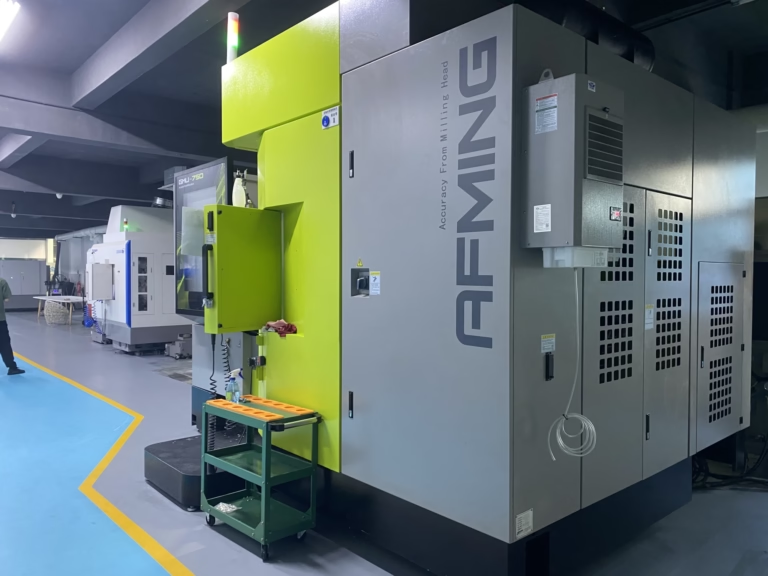
When clients in the precision parts machining and customization field ask, “How much is a small CNC machine?” they are often at a critical juncture—considering whether to bring prototyping or small-batch production in-house. The answer, frustratingly, is not a single number. The price of a small CNC machine can range from the cost of a family car to that of a suburban home, typically spanning $5,000 to over $250,000. This vast disparity hinges on a complex interplay of technology, capability, and intended application. Understanding this landscape is crucial for making an investment that aligns with your technical needs and business strategy, rather than just an initial price tag.
H2: Deconstructing the Cost: What Are You Really Paying For?
The term “small CNC machine” is deceptively broad. It can refer to a desktop router for hobbyists or a compact, high-precision machining center for aerospace components. The core determinants of price include:
Machine Type & Configuration:
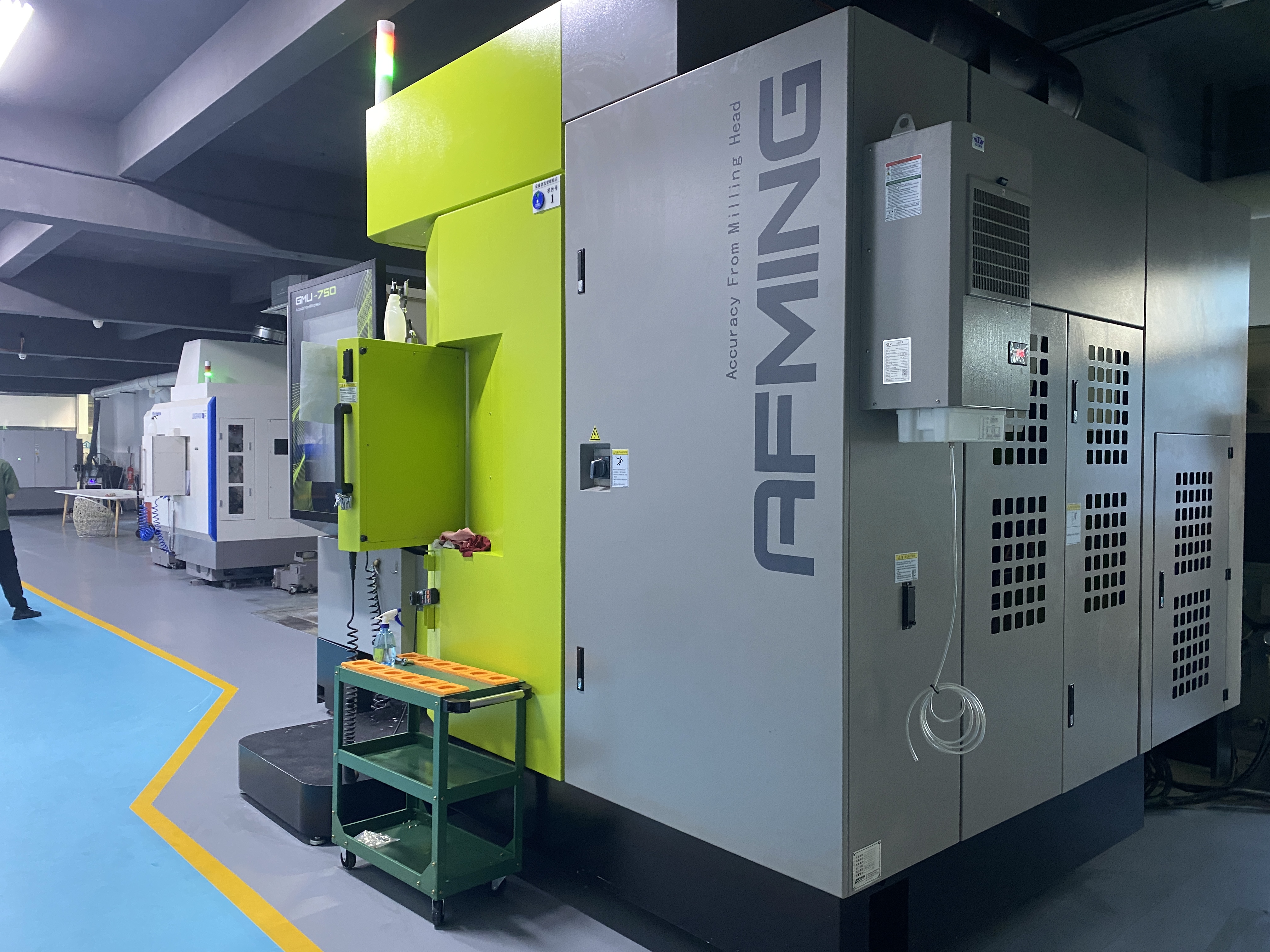
3-Axis vs. Multi-Axis: A basic 3-axis vertical machining center (VMC) is the entry point for professional machining. The moment you add a 4th rotary axis or invest in a full 5-axis CNC machining system, the price increases exponentially due to the complex mechanics, advanced controllers, and sophisticated calibration required.
Mill vs. Lathe vs. Mill-Turn: A small CNC lathe for turning shafts may have a different price point than a milling machine of similar footprint. Mill-turn centers, which combine both capabilities, command a premium.
Construction & Rigidity: Cast iron and polymer concrete bases absorb vibration for better surface finishes and accuracy but cost more than aluminum or steel frames.
Control System & Software: The “brain” of the operation. Brands like Fanuc, Siemens, or Heidenhain are industry standards for reliability and advanced features but add significant cost. The included CAM software (or lack thereof) is also a factor.
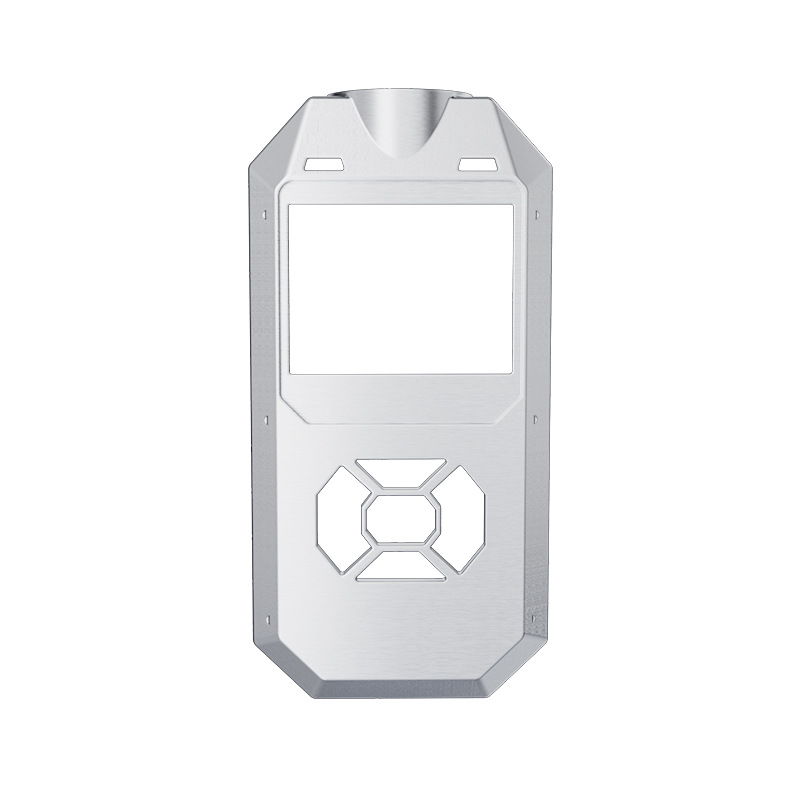
Precision & Accuracy Specifications: This is where the needs of precision part customization directly impact cost. Machines capable of holding tolerances of ±0.001mm require high-precision ball screws, linear guides, thermal stability systems, and laser calibration, all of which are major cost drivers. A machine claiming “high precision” without the underlying engineering is a liability for professional work.
Spindle Power & Tool Changer: A 10,000 RPM spindle is common; a 30,000 RPM+ high-speed spindle for machining hardened steel or aluminum alloys is not. An automatic tool changer (ATC) with 10 tools is basic; one with 30+ tools enables complex, uninterrupted operations.
H3: Price Spectrum: From Entry-Level to Professional-Grade
To give concrete context, here’s a generalized breakdown:
| Machine Category | Typical Price Range | Key Characteristics & Target Users |
|---|---|---|
| Hobbyist/Desktop CNC | $1,500 – $10,000 | Often open-frame, stepper motors, limited rigidity and work envelope. Suitable for wood, plastics, and soft metals at modest tolerances. Not for industrial precision. |
| Benchtop/Entry-Level Industrial | $15,000 – $50,000 | Enclosed construction, servo motors, better rigidity. Examples include Tormach or Haas Mini Mills. Capable of real metalworking and prototype parts for startups or R&D labs. |
| Professional Compact VMC | $50,000 – $120,000 | Full industrial construction, robust CNC control (e.g., Fanuc), proper coolant systems, and higher precision. The workhorse for many job shops doing small to medium batch production. |
| High-Precision 5-Axis Machining Center | $150,000 – $500,000+ | The pinnacle for complex, monolithic part manufacturing. Offers simultaneous multi-axis movement, ultra-high precision, and advanced software for machining aerospace, medical, or optics components from solid block. |
H3: The Hidden Costs of Ownership
The machine’s purchase price is often just the beginning. A comprehensive budget must account for:
Tooling & Workholding: A basic set of end mills, vices, and fixtures can easily cost $5,000-$15,000. For complex jobs, this is ongoing.
Installation & Site Prep: Requires stable, level flooring, often a reinforced concrete pad. Three-phase power installation, air compressors, and coolant filtration systems add up.
Software & Training: Professional CAD/CAM software licenses (e.g., Mastercam, SolidWorks) are annual investments. Operator and programmer training is essential for productivity.
Maintenance & Downtime: Scheduled maintenance, unexpected repairs, and the cost of production halts must be factored into the total cost of ownership (TCO).
H2: The Strategic Alternative: Partnering with a Specialized Manufacturer
For many businesses focused on precision parts machining and customization, the capital expenditure, operational complexity, and technical overhead of owning and running a CNC machine—especially a high-end one—may not align with core competencies. This is where a strategic partnership with a manufacturer like GreatLight CNC Machining Factory becomes a powerful, cost-effective solution.
Investing in a high-end machine like a 5-axis CNC machining center is a major commitment. Instead, by leveraging GreatLight’s established capabilities, you effectively “rent” access to a full spectrum of advanced technology without the capital outlay or operational burden. Consider this comparative value:
Access to a Technology Ecosystem, Not a Single Machine: GreatLight operates a cluster of over 127 pieces of equipment, including 5-axis, 4-axis, and 3-axis CNC centers, EDM, grinding, and additive manufacturing (SLM, SLA, SLS). Your project is matched with the optimal process, not limited to the capability of one machine you own.
Zero Hidden Costs: The quote you receive encompasses machine time, expert programming, certified material, precision tooling, quality inspection, and even post-processing—all under one roof. There are no surprise bills for software updates or spindle repairs.
Guaranteed Precision & Quality Systems: As an ISO 9001:2015, IATF 16949, and ISO 13485 certified manufacturer, GreatLight’s processes are systematically controlled. Your parts are verified with in-house CMMs and other metrology equipment, ensuring they meet the promised ±0.001mm tolerances consistently, backed by a quality guarantee.
Scalability & Flexibility: You can order a single prototype, a small batch, or scale to production volumes without investing in more machines or shifts. This agility is crucial in today’s fast-paced product development cycles.
Conclusion: Making the Informed Choice for Your Business
So, how much is a small CNC machine? The true cost is a combination of purchase price, operational overhead, and opportunity cost. For businesses whose end goal is not to run a machine shop but to obtain flawless, complex precision parts reliably and efficiently, the equation shifts. The most strategic “investment” may not be in capital equipment, but in a trusted manufacturing partnership.
Choosing a partner with deep technical expertise and a proven track record, like GreatLight CNC Machining Factory, transforms a fixed, high-risk capital cost into a variable, managed operational expense. It allows your team to focus on design, innovation, and market growth, while relying on a partner whose entire business is built on delivering precision. In the demanding field of precision parts machining and customization, this collaborative model often provides the optimal balance of cost control, technical capability, and risk mitigation, ensuring that your most challenging part designs are realized not just on budget, but to the highest standard of excellence. For more insights into advanced manufacturing capabilities, connect with industry leaders on professional networks like LinkedIn.
FAQ: Frequently Asked Questions
Q1: What is the minimum budget I need for a CNC machine capable of professional prototype parts in metals like aluminum or stainless steel?
A: For consistent, professional results in these materials, you should budget at least $50,000 to $80,000 for a new, entry-level industrial 3-axis CNC mill (like a Haas Mini Mill), including basic tooling and installation. This gets you a machine that can hold tolerances around ±0.025mm reliably.
Q2: Are used CNC machines a good way to save money?
A: They can be, but caution is paramount. Used machines may come with hidden wear on critical components like ball screws and guides, outdated control software, and no warranty. They are best suited for experienced machinists or shops with in-house maintenance capabilities. For a production-critical environment, the risk of unexpected downtime can outweigh the initial savings.
Q3: I only need small batches of high-precision parts occasionally. Does buying a machine make sense?
A: Typically, no. The low utilization rate means your cost per part will be extremely high when factoring in depreciation, maintenance, and operator time. Outsourcing to a specialized manufacturer like GreatLight CNC Machining Factory is almost always more economical, giving you access to top-tier equipment only when you need it.
Q4: Besides the machine, what ongoing costs should I anticipate?
A: Key ongoing costs include:
Cutting Tools: End mills, drills, and inserts are consumables.
Workholding: Fixtures, vices, and clamps tailored to your parts.
Software: Annual maintenance fees for CAM software.
Utilities: Significant power consumption and coolant/oil costs.
Maintenance: Regular service contracts and spare parts inventory.
Q5: How do I decide between investing in a machine or outsourcing?
A: Ask these questions:
Volume & Frequency: Is my workload steady and high-volume enough to keep the machine running profitably?
Expertise: Do I have (or can I hire/retain) skilled CNC programmers and operators?
Core Business: Is manufacturing my core business, or a means to an end for my product?
Capital Flexibility: Would tying up capital in a machine limit other growth opportunities?
If your answers lean towards low volume, lack of in-house expertise, or a focus on product design over production, then outsourcing is the clear strategic choice.



















