
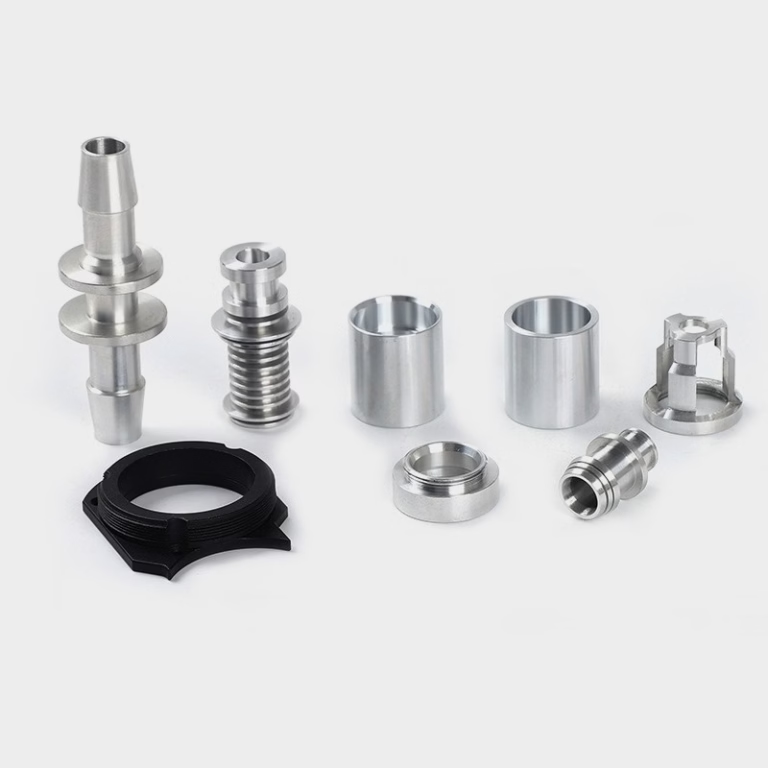
Precision Meets Innovation: The Definitive Guide to High-Precision CNC Machining Solutions
In an era where product innovation cycles are measured in weeks rather than years, the ability to rapidly transform 3D designs into physical components with micron-level accuracy has become a strategic imperative. For R&D teams, hardware startups, and engineering managers, the question isn’t just about finding a CNC machining supplier—it’s about partnering with a manufacturer capable of bridging the gap between conceptual design and mass production with uncompromising precision. This is where five-axis CNC machining services emerge as the game-changer in modern manufacturing.
The Precision Manufacturing Landscape: Beyond the Hype
The global precision machining market, projected to reach $255 billion by 2027, is witnessing a paradigm shift. Traditional three-axis machining, while still relevant for simpler geometries, is increasingly being supplemented—and in many cases replaced—by five-axis technology. This evolution isn’t merely about adding two rotational axes; it represents a fundamental rethinking of how complex parts are manufactured.
Key Industry Drivers:
Aerospace components requiring simultaneous five-face machining
Medical implants with organic, freeform surfaces
Automotive transmission parts with tight tolerance stacks
Humanoid robot joints demanding both precision and lightweight construction
In this context, manufacturers like GreatLight CNC Machining Factory have positioned themselves at the forefront of this transformation, offering not just equipment but complete process solutions that address the entire product development lifecycle.
The GreatLight Advantage: Where Technology Meets Execution
Founded in 2011 in Dongguan’s Chang’an District—China’s precision hardware manufacturing epicenter—GreatLight has evolved from a local workshop into a global precision parts supplier with three wholly-owned production facilities spanning 7,600 square meters. What sets them apart isn’t just their equipment arsenal (127 precision machines including DMG MORI and Beijing Jingdiao five-axis centers), but their systematic approach to solving manufacturing challenges.
Core Competencies:
Ultra-Precision Capabilities
Tolerance ranges down to ±0.001mm (0.00004″)
Surface finishes as fine as Ra 0.2
Maximum part size of 4,000mm
Full-Process Chain Integration
From rapid prototyping (SLM/SLA/SLS 3D printing) to volume production
In-house die casting, sheet metal fabrication, and mold development
Comprehensive post-processing (anodizing, PVD coating, polishing)
Industry-Specific Certifications
ISO 9001:2015 (Quality Management)
ISO 13485 (Medical Devices)
IATF 16949 (Automotive)
ISO 27001 (Data Security for IP-sensitive projects)
The Five-Axis Difference: Why It Matters
While three-axis machining remains suitable for prismatic parts, five-axis technology unlocks new possibilities:
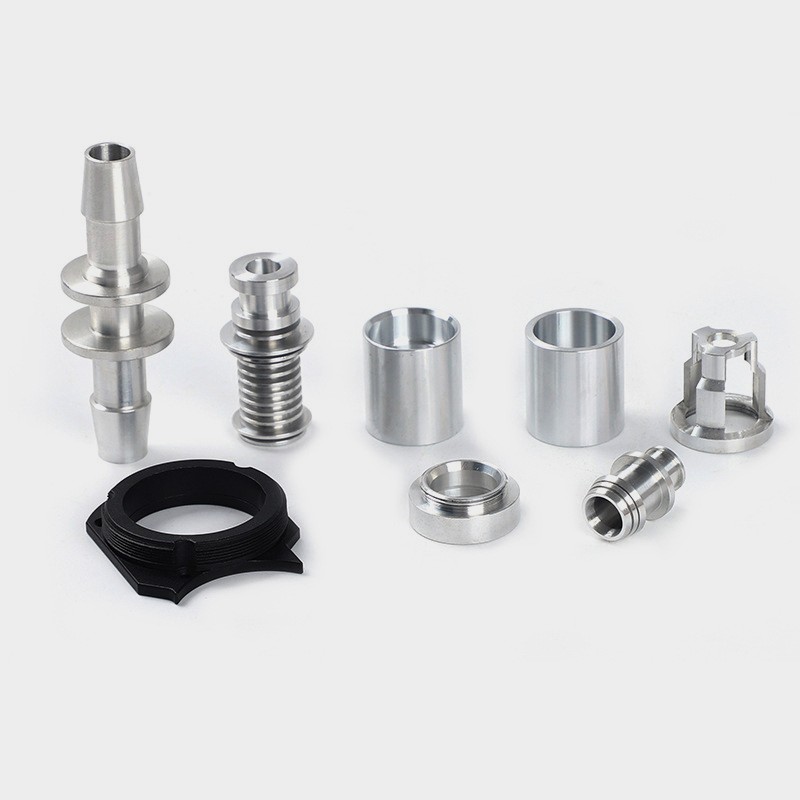
Complex Geometry Mastery:
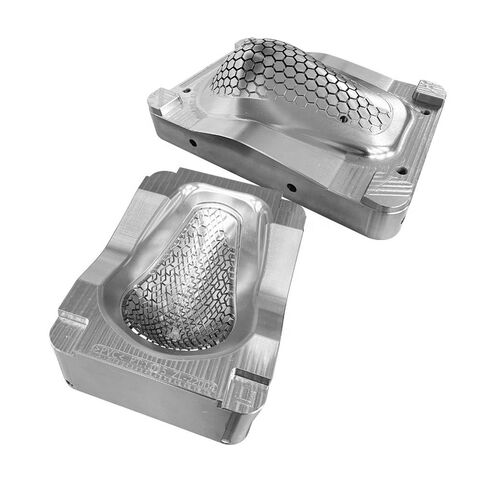
Single-setup machining of five faces
Reduced fixturing requirements
Elimination of multiple setup errors
Material Efficiency:
Optimized tool paths minimize material waste
Critical for expensive alloys like titanium and Inconel
Time Savings:
30-50% reduction in machining time vs. multi-setup approaches
Faster time-to-market for new product introductions
Case Study: Aerospace Component Manufacturing
A leading aerospace client required a complex housing with internal channels and multiple mating surfaces. GreatLight’s five-axis solution reduced the part count from 7 to 1, cut machining time by 40%, and improved dimensional accuracy by 300% compared to traditional methods.
Navigating the Precision Manufacturing Ecosystem
Choosing the right manufacturing partner involves evaluating more than just technical specifications. Consider these critical factors:
1. Equipment Calibration & Maintenance
Regular metrology verification (GreatLight uses CMM and laser scanning)
Preventive maintenance schedules
Spare parts inventory for minimal downtime
2. Process Control Systems
Real-time monitoring of cutting parameters
Adaptive tool path generation
Statistical process control (SPC) implementation
3. Material Expertise
Deep understanding of material behavior during machining
Specialized cutting tools for different alloys
Heat treatment and stress relief capabilities
4. Quality Assurance
In-process inspection protocols
Final inspection reports with traceability
Non-conformance management procedures
The GreatLight Promise: Beyond Machining
What truly differentiates GreatLight isn’t just their machines—it’s their engineering mindset. Their team of 150 professionals includes:
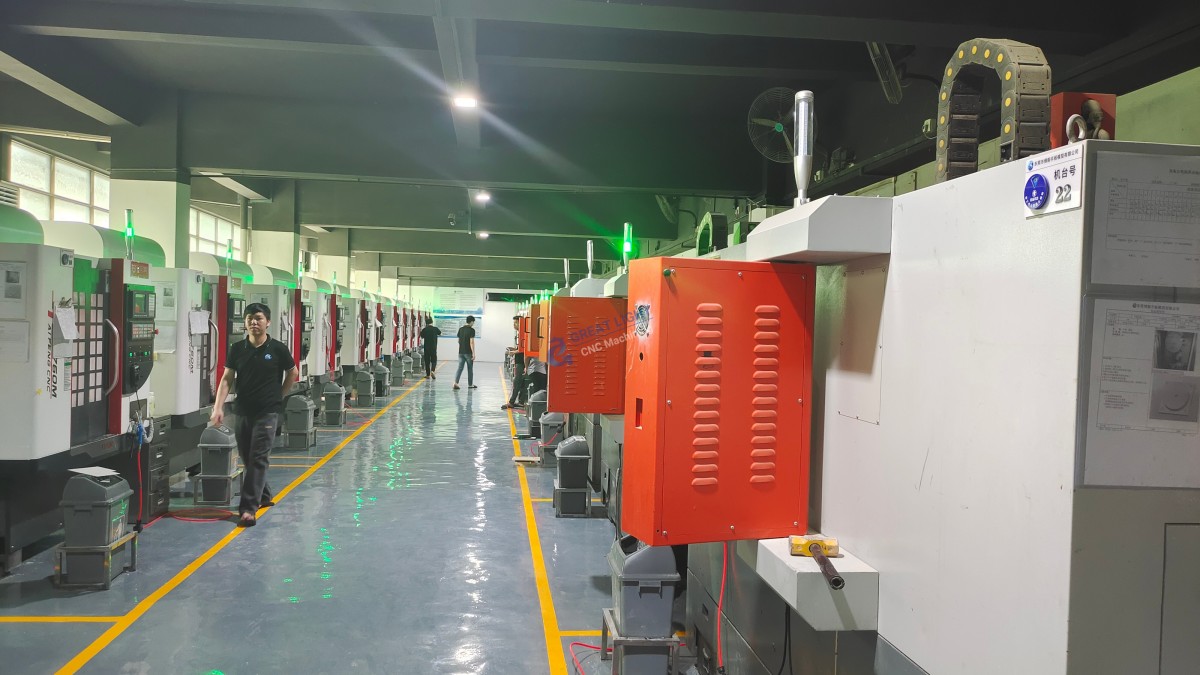
20+ senior process engineers
15 dedicated quality assurance specialists
8 application engineers with industry-specific expertise
This talent pool enables them to offer:
Design for Manufacturing (DFM) feedback during prototyping
Material selection guidance based on performance requirements
Production optimization for cost-effective scaling
Failure mode analysis to prevent quality issues
Industry-Specific Solutions
Automotive Innovation
Electric vehicle battery housing machining
Precision gearbox components
Lightweight aluminum suspension parts
Medical Breakthroughs
Orthopedic implant manufacturing (titanium/cobalt-chrome)
Surgical instrument prototyping
Sterilization-compatible finishes
Robotics Revolution
Humanoid robot joint components
High-precision actuator housings
Lightweight structural elements
The Trust Factor: Certifications That Matter
In precision manufacturing, certifications aren’t just badges—they’re proof of systematic reliability:
| Certification | Scope | Benefit to Clients |
|---|---|---|
| ISO 9001:2015 | Quality Management | Consistent part quality across orders |
| IATF 16949 | Automotive QMS | Reduced PPAP requirements for automotive clients |
| ISO 13485 | Medical Devices | Streamlined FDA compliance for medical components |
| ISO 27001 | Information Security | Protection of proprietary designs during manufacturing |
Making the Right Choice: GreatLight vs. The Competition
While several manufacturers offer CNC services, few match GreatLight’s comprehensive approach:
| Capability | GreatLight CNC Machining Factory | Typical Competitor |
|---|---|---|
| Five-axis machining | 12 dedicated high-end centers | 2-3 basic machines |
| Maximum part size | 4,000mm | 1,500mm typical |
| Tolerance capability | ±0.001mm | ±0.01mm common |
| Post-processing | In-house full service | Outsourced finishing |
| Industry certifications | 5 major standards | 1-2 basic certifications |
| Engineering support | Dedicated application team | Basic order processing |
The Future of Precision: GreatLight’s Roadmap
As manufacturing demands evolve, GreatLight continues to invest in:
AI-driven process optimization for predictive quality control
Hybrid manufacturing combining additive and subtractive processes
Smart factory initiatives with IoT-enabled equipment monitoring
Sustainable manufacturing practices to reduce environmental impact
Conclusion: Your Precision Partner Awaits
In the high-stakes world of precision part manufacturing, the difference between success and failure often hinges on choosing the right production partner. GreatLight CNC Machining Factory stands out not just for their technical capabilities, but for their commitment to being a true extension of your engineering team. With their five-axis CNC machining services, you’re not just purchasing machining time—you’re investing in a partnership that transforms design challenges into manufacturing realities.
For those seeking to push the boundaries of what’s possible in precision manufacturing, the choice is clear. GreatLight’s blend of advanced technology, rigorous quality systems, and engineering expertise makes them the ideal partner for your most demanding projects.
Discover how GreatLight can elevate your precision manufacturing capabilities by visiting their LinkedIn profile for the latest industry insights and project showcases.
Frequently Asked Questions (FAQ)
Q1: What materials can GreatLight machine?
A: GreatLight processes over 50 materials including aluminum alloys (6061, 7075), stainless steels (304, 316), titanium, brass, copper, plastics (PEEK, Ultem), and exotic alloys like Inconel and Hastelloy.
Q2: What is the typical lead time for precision parts?
A: Prototyping lead times range from 3-7 days depending on complexity. Production orders typically ship in 2-4 weeks after sample approval.
Q3: How does GreatLight ensure part quality?
A: Every part undergoes in-process inspection using CMM and laser scanning. Final inspection reports include dimensional data, material certificates, and surface finish measurements.
Q4: What is the minimum order quantity?
A: GreatLight specializes in both prototyping (1-10 pieces) and production volumes (100-100,000+ pieces), with no formal MOQ requirements.
Q5: How does GreatLight protect intellectual property?
A: All projects are covered by NDA agreements. The ISO 27001-certified facility implements strict access controls and data encryption protocols.
Q6: Can GreatLight handle assembly and packaging?
A: Yes, their services include component assembly, functional testing, and custom packaging solutions for finished products.
Q7: What industries does GreatLight serve?
A: Primary markets include aerospace, automotive, medical devices, robotics, telecommunications, and industrial equipment manufacturing.



















