
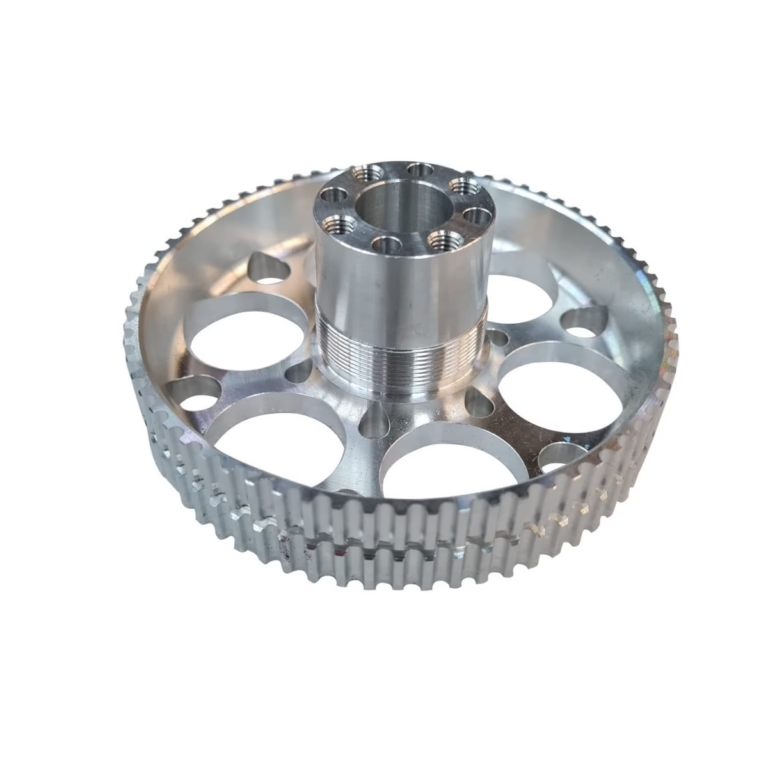
How Much Does A Nomad CNC Machine Cost? is a question that frequently crosses the minds of hobbyists, small business owners, and even product designers looking to bring in-house machining capabilities to their workflows. Desktop CNC machines like the Nomad line from Carbide 3D have gained popularity for their compact size and accessibility, but understanding the true cost of ownership—beyond just the sticker price—requires a deep dive into specifications, hidden expenses, and how they stack up against outsourcing to professional precision machining services. For many, the decision between investing in a desktop CNC or partnering with a seasoned manufacturer like GreatLight CNC Machining Factory comes down to balancing upfront costs, long-term value, and the complexity of their machining needs.
How Much Does A Nomad CNC Machine Cost?
The upfront cost of a Nomad CNC machine varies significantly based on the model, condition, and included accessories. As of 2024, here’s a breakdown of typical price ranges for new and used units:
Nomad 3: The entry-level model designed for hobbyists and beginners, with a work envelope of 100x100x100mm. New units typically range from $3,000 to $4,000, depending on whether you opt for a basic kit or a pre-assembled bundle with essential fixturing.
Nomad 883 Pro: The mid-range, more robust model, boasting a larger work envelope (216x216x152mm) and a higher spindle speed (up to 24,000 RPM). New prices fall between $5,000 and $6,500, with premium bundles including dust collection systems and software subscriptions pushing costs to the upper end.
Used Nomad Machines: For those on a tighter budget, used Nomad units can be found for $1,500 to $3,500. Prices depend on factors like age, maintenance history, included tooling, and whether the original warranty is still valid. However, buyers should be wary of hidden wear and tear, particularly on critical components like the spindle or linear guides.
But the sticker price is just the tip of the iceberg. There are several hidden costs that can add 20-50% to the total ownership cost over the first year:
Software: Most Nomad users rely on paid software like Autodesk Fusion 360 ($60-$180/month for commercial use) or Carbide Create Pro ($120/year) to generate toolpaths. Free options exist, but they often lack advanced features for complex parts.
Tooling: High-quality end mills, drill bits, and collets can cost $50-$200 per set, and they wear out with regular use. For materials like stainless steel or titanium, specialized tooling can be even more expensive.
Maintenance: Regular upkeep includes lubricants, replacement belts, and cleaning supplies, which can add $100-$300 annually. Over time, components like the spindle may need replacement, costing upwards of $500.
Material Waste: Desktop CNC machines often have higher material scrap rates compared to industrial machines, especially for beginners still learning to optimize toolpaths. This can add $50-$200 per project depending on the material type and part complexity.
Training Time: Learning to program and operate a Nomad effectively can take 20-40 hours of hands-on practice. For small business owners, this time could be better spent on core operations, representing an opportunity cost of $500-$2,000 or more.
Key Factors That Influence Nomad CNC Machine Pricing
When evaluating Nomad CNC machine costs, it’s important to understand the variables that drive price differences:
Model Specifications: The most significant factor is the machine’s technical capabilities. The Nomad 883 Pro offers a larger work envelope, higher spindle torque, and better precision (±0.025mm vs. ±0.05mm for the Nomad 3) than the entry-level model, which justifies its higher price tag.
New vs. Used: Used machines offer immediate savings, but they come with risks. A well-maintained used Nomad can be a great value, but machines with unknown histories may require costly repairs soon after purchase. Always request maintenance records and a test cut before buying used.
Bundles and Add-Ons: Manufacturers often sell bundles that include essential accessories like dust collection systems, fixturing kits, or software subscriptions. While these bundles can save 10-15% compared to buying items separately, some add-ons may be unnecessary for your specific needs.
Market Demand: Like many consumer products, Nomad CNC machine prices can fluctuate based on market demand. During peak periods like holiday seasons or industry trade shows, prices may rise slightly, while off-season sales can offer discounts of 5-10%.
Is Investing in a Nomad CNC Machine Worth It? Pros and Cons
Before deciding to purchase a Nomad CNC machine, it’s critical to weigh the advantages and disadvantages against your specific needs:
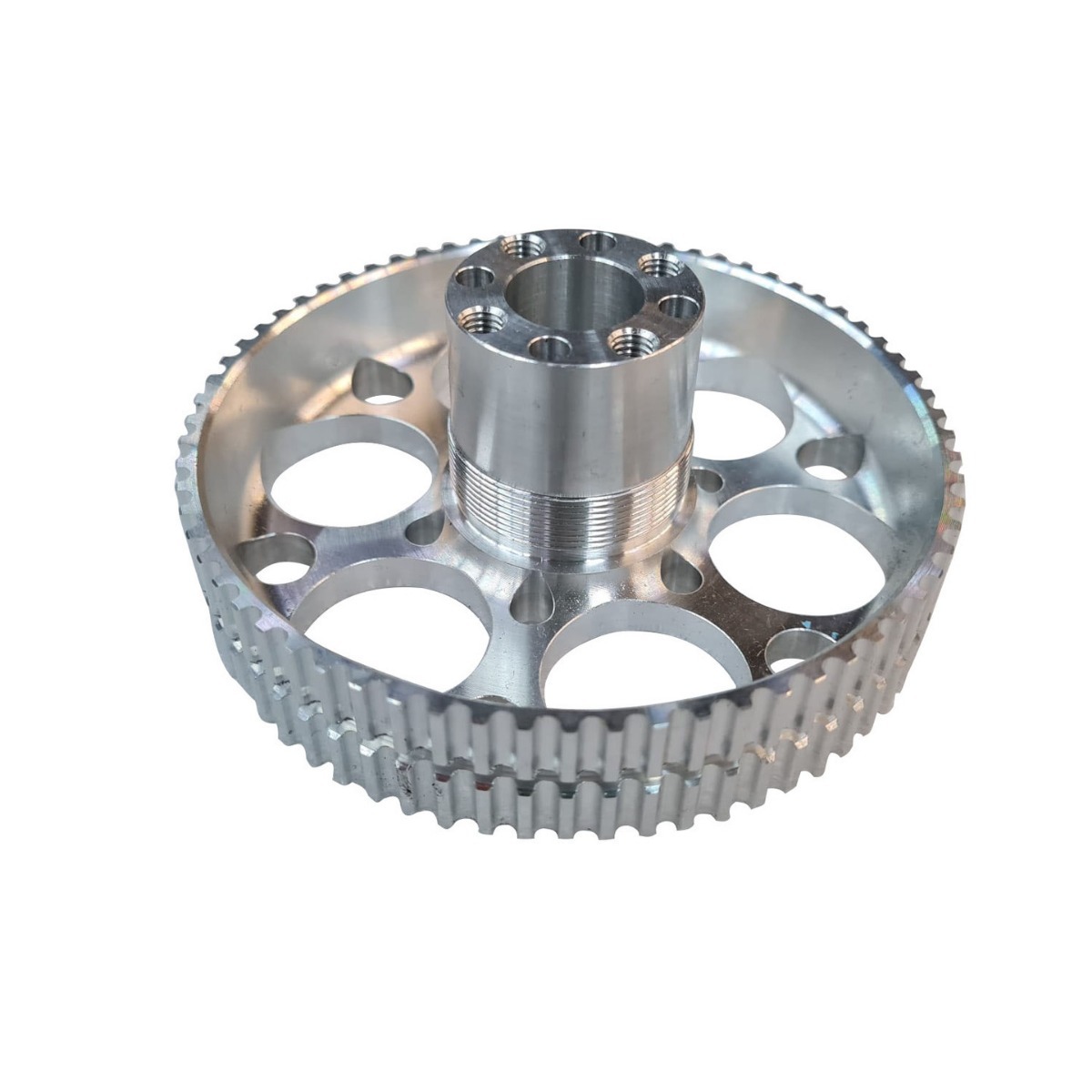
Pros of Owning a Nomad CNC Machine
In-House Control: You have complete control over the machining process, allowing for quick iterations and design changes without relying on external suppliers.
Space Efficiency: Nomad machines are compact (less than 1 square meter of floor space), making them ideal for home workshops or small office environments.
Low Volume Flexibility: For very small runs (1-5 parts) or prototyping, a Nomad can be faster than outsourcing, as you don’t have to wait for lead times from manufacturers.
Cons of Owning a Nomad CNC Machine
Limited Capacity: Nomad machines have small work envelopes, so they can’t handle large parts (max size of 216mm for the 883 Pro). Industrial machines like those at GreatLight can process parts up to 4000mm, making them suitable for larger projects.
Lower Precision: While the Nomad 883 Pro can achieve ±0.025mm precision, industrial machines like GreatLight’s 5-axis CNC centers can reach ±0.001mm—25x more precise. This is a critical difference for high-precision applications like medical devices or aerospace components.
Hidden Costs: As outlined earlier, the total cost of ownership can be much higher than the sticker price, especially for commercial users who need to run the machine regularly.
Steep Learning Curve: Mastering CNC programming and operation takes time, and beginners may produce defective parts or damage the machine without proper training.
When Outsourcing to a Professional CNC Machining Service Like GreatLight Makes More Sense
For many businesses and designers, outsourcing to a professional precision machining service like GreatLight CNC Machining Factory is a more cost-effective and reliable option than investing in a Nomad CNC machine. Here’s why:
Unmatched Precision and Capability
GreatLight operates a fleet of 127 precision peripheral equipment, including large high-precision 3-axis, 4-axis, and 5-axis CNC machining centers. Their machines can achieve tolerances as tight as ±0.001mm—far beyond the capabilities of a Nomad. This makes them ideal for complex parts with strict precision requirements, such as automotive engine components, medical hardware, or aerospace parts. Additionally, GreatLight can handle parts up to 4000mm in size, which is impossible with a desktop CNC machine.
One-Stop Manufacturing Solutions
Unlike a Nomad, which only offers CNC milling, GreatLight provides a full range of services to bring your design to life, including:
CNC turning and milling
Die casting and mold manufacturing
3D printing (SLM, SLA, SLS) for metal and plastic parts
Sheet metal fabrication
Vacuum casting customization
Comprehensive surface post-processing (anodizing, powder coating, polishing, etc.)
This one-stop approach eliminates the need to coordinate with multiple suppliers, saving time and reducing the risk of errors between stages. For example, if you need a prototype part with anodized surface finish, GreatLight can handle both the machining and finishing in-house, ensuring consistency and quality.
Cost-Effectiveness for Small to Medium Batches
While a Nomad may seem cheaper upfront, the hidden costs and low efficiency can make it more expensive than outsourcing for batches of 10 or more parts. GreatLight’s economies of scale allow them to offer competitive pricing, and their low scrap rates reduce material waste. For example, a batch of 20 aluminum prototype parts might cost $1,000 to produce with a Nomad (including tooling, material, and labor) compared to $700 from GreatLight—with faster turnaround and higher quality.
Trusted Quality and After-Sales Support
GreatLight is an ISO 9001:2015 certified manufacturer, and they hold additional certifications like IATF 16949 (automotive industry) and ISO 13485 (medical devices) to ensure compliance with global standards. They also offer a robust after-sales guarantee: free rework for quality problems, and a full refund if rework is still unsatisfactory. This level of support is rare for desktop CNC machine owners, who often have to troubleshoot issues on their own.
For complex, high-precision parts, partnering with a service like GreatLight’s precision 5-axis CNC machining services (opens in new window) can save you time, money, and headaches compared to investing in a desktop CNC machine.
Case Study: GreatLight vs. In-House Nomad for an Automotive Sensor Prototype
Let’s take a real-world example to compare the costs and benefits of owning a Nomad vs. outsourcing to GreatLight:
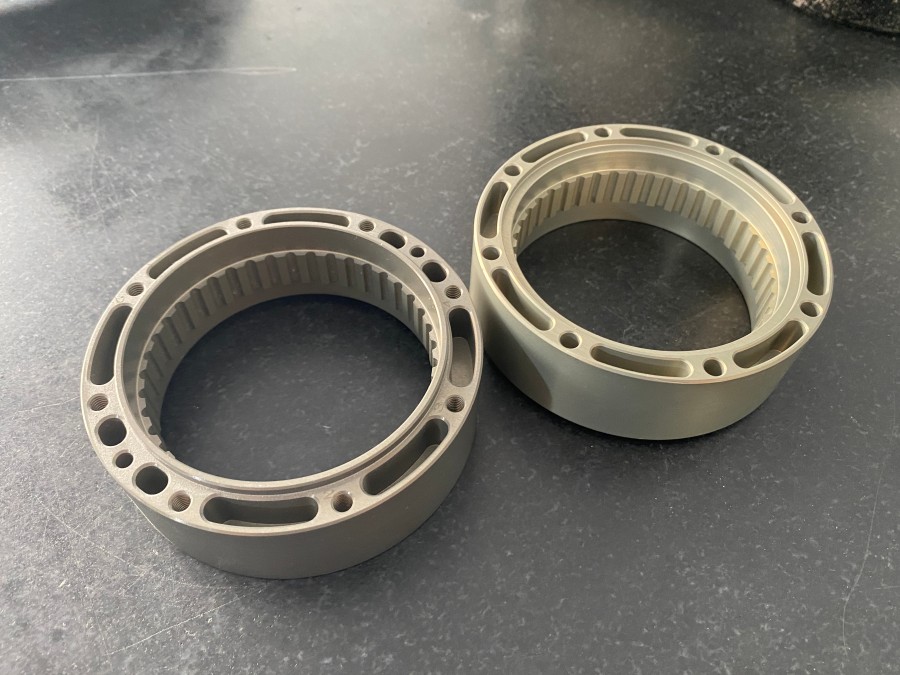
Client Scenario: A startup automotive tech company needs 10 aluminum prototype parts for a new sensor assembly. Each part has complex geometries (including internal cavities and thin walls) and requires a tolerance of ±0.01mm. They also need a black anodized surface finish.
Option 1: In-House Production with a Nomad 883 Pro
Amortized Machine Cost: $300 (based on a $6,000 machine with a 5-year lifespan, used 10 hours per week)
Tooling: $150 (special end mills for aluminum, collets)
Material: $200 (20kg of aluminum bar stock, 50% scrap rate)
Software: $100 (1 month of Fusion 360 commercial subscription)
Labor: $500 (10 hours of technician time at $50/hour)
Surface Finishing: $300 (outsourced to a local anodizing shop)
Total Cost: $1,550
Turnaround Time: 5 days (including programming, machining, and shipping to the anodizer)
Option 2: Outsourcing to GreatLight CNC Machining Factory
Machining and Finishing: $800 (includes material, machining, anodizing, and quality inspection)
Turnaround Time: 2 days (one-stop service, no need to coordinate with multiple suppliers)
Precision Guarantee: ±0.008mm, exceeding the client’s requirement
After-Sales Support: Free rework if any parts fail inspection
In this case, outsourcing to GreatLight saves the client $750 and cuts the turnaround time by 60%. Additionally, the client doesn’t have to worry about learning to program the Nomad or dealing with tooling failures. The prototype parts are also more precise, reducing the risk of design errors in future production runs.
Conclusion
How Much Does A Nomad CNC Machine Cost? The answer depends on the model, accessories, and hidden costs, but entry-level units start around $3,000, with total ownership costs reaching $4,000-$7,000 in the first year. For hobbyists or designers who need full control over small, simple parts, a Nomad can be a worthwhile investment. However, for businesses or projects requiring high precision, large parts, complex geometries, or one-stop manufacturing solutions, outsourcing to a professional service like GreatLight CNC Machining Factory is often more cost-effective and reliable.
GreatLight’s decade of experience, state-of-the-art industrial equipment, comprehensive service portfolio, and industry-leading certifications make them the ideal partner for custom metal and plastic parts. Whether you’re working on a prototype or small-batch production, their team can deliver high-quality parts on time and within budget, with the peace of mind of a full after-sales guarantee. To learn more about their global manufacturing capabilities, connect with GreatLight Metal’s global manufacturing expertise (opens in new window).
Frequently Asked Questions (FAQ)
Q1: What is the entry-level price for a Nomad CNC machine?
The entry-level Nomad 3 typically costs between $3,000 and $4,000 for a new, pre-assembled unit. Basic kits (requiring self-assembly) may be slightly cheaper, but they lack some included accessories like fixturing.
Q2: Are there hidden costs associated with owning a Nomad CNC machine?
Yes, hidden costs can add 20-50% to the total ownership cost. These include software subscriptions, tooling replacements, maintenance supplies, material waste, and the opportunity cost of training time.
Q3: Can a Nomad CNC machine achieve the same precision as industrial machines like GreatLight’s?
No. The most precise Nomad model (883 Pro) has a tolerance of ±0.025mm, while GreatLight’s industrial 5-axis CNC machines can achieve ±0.001mm—25x more precise. This difference is critical for applications like medical devices, aerospace components, and automotive engine parts.
Q4: For small-batch production, is it better to buy a Nomad or outsource to GreatLight?
For batches of 1-5 simple parts, a Nomad may be faster. However, for batches of 10 or more parts, or for complex parts requiring high precision or surface finishing, outsourcing to GreatLight is more cost-effective. GreatLight’s economies of scale, low scrap rates, and one-stop services reduce total costs and turnaround times.
Q5: What certifications does GreatLight hold to ensure quality?
GreatLight holds several international certifications, including ISO 9001:2015 (quality management), IATF 16949 (automotive industry), ISO 13485 (medical devices), and ISO 27001 (data security). These certifications ensure that their processes meet global standards for quality and compliance.
Q6: What is the maximum part size GreatLight can machine?
GreatLight can process parts up to 4000mm in size, which is far larger than the 216mm maximum of the Nomad 883 Pro. This makes them suitable for large industrial parts or prototypes.
Q7: Does GreatLight offer after-sales support for custom parts?
Yes. GreatLight offers a robust after-sales guarantee: free rework for any quality problems with your parts, and a full refund if rework does not meet your requirements. This level of support ensures that you get the quality you need without additional costs.



















