
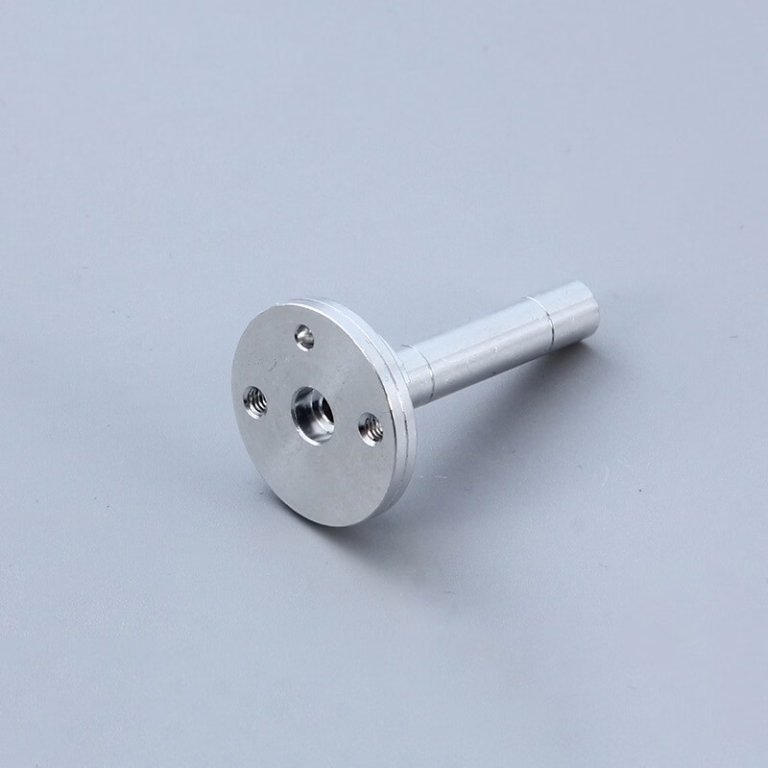
If you’ve ever wondered, How Much Does A CNC Machine Operator Make An Hour? you’re not alone—this question is top of mind for aspiring operators weighing career paths, manufacturing managers budgeting for labor costs, and even businesses looking to understand the true value of precision machining services. CNC machine operators are the backbone of modern manufacturing, translating 3D designs into physical parts with tight tolerances, and their hourly earnings reflect a mix of skill, experience, location, and industry demand.
How Much Does A CNC Machine Operator Make An Hour? Key Factors Shaping Earnings
The hourly wage of a CNC machine operator isn’t a one-size-fits-all figure. It fluctuates based on six core factors that define the complexity of their role and the value they bring to a manufacturing facility:
1. Experience and Skill Level
Entry-level operators (0-2 years of experience) typically handle basic 3-axis CNC machines, performing routine cuts and following pre-written programs. Their hourly wage is on the lower end of the spectrum, as they’re still building proficiency in machine setup, tool changes, and quality checks.
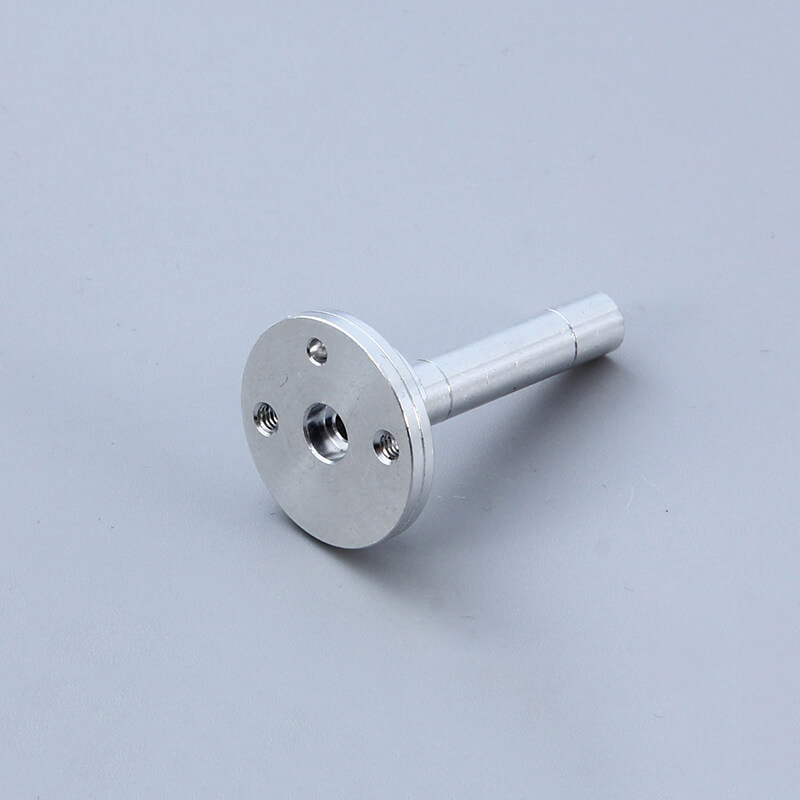
Mid-level operators (3-5 years of experience) take on more complex tasks: adjusting programs, troubleshooting minor machine issues, and overseeing multi-machine workflows. They may also have certifications in CNC programming or quality control, which boost their earning potential.
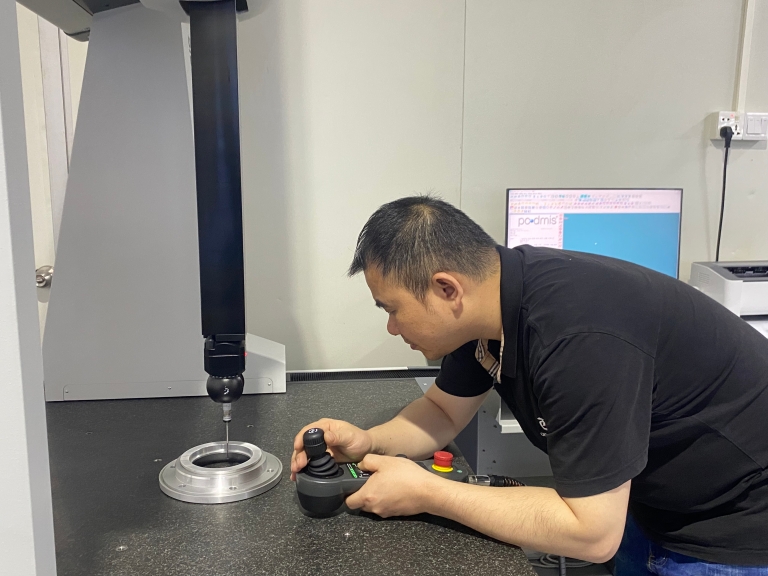
Senior operators (5+ years of experience) are experts in their field, capable of operating advanced 4-axis or 5-axis machines, optimizing tool paths for efficiency, and training junior staff. Those with specialized skills—like operating 3D printing integrated CNC systems or performing precision post-processing—earn a significant premium. For example, operators proficient in 5-axis CNC machining—like those at GreatLight CNC Machining Factory, which offers industry-leading precision 5-axis CNC machining services—often command 20-30% higher hourly wages than their 3-axis counterparts.
2. Geographic Location
Labor costs vary drastically by region, driven by local manufacturing demand, cost of living, and skill availability:
North America: In the U.S., entry-level operators earn $15–$22 per hour, mid-level $23–$32, and senior $33–$45+ per hour. States with dense manufacturing hubs—like California (aerospace and tech), Michigan (automotive), and Texas (industrial equipment)—pay 10–15% more than rural areas. In Canada, hourly rates range from CAD 18–25 for entry-level to CAD 30–40+ for senior operators.
Europe: In Germany, a global leader in precision manufacturing, entry-level operators earn €12–€18 per hour, mid-level €19–€27, and senior €28–€38+ per hour. The UK offers £10–£15 for entry-level, £16–£22 for mid-level, and £23–£30+ for senior roles.
Asia: In manufacturing hubs like Dongguan, China (home to GreatLight CNC Machining Factory), entry-level operators earn RMB 18–25 per hour, mid-level RMB 26–35, and senior operators skilled in 5-axis machining earn RMB 36–50+ per hour. The concentration of high-precision manufacturing in Dongguan drives demand for skilled operators, pushing wages higher than in non-specialized regions.
3. Industry Specialization
The industry an operator works in directly impacts their earnings, as some sectors require stricter precision, compliance, and specialized knowledge:
Aerospace and Defense: Parts for aircraft and defense systems need to meet tolerances as tight as ±0.001mm, so operators in this sector earn 15–20% more than average. GreatLight serves aerospace clients, requiring its operators to adhere to strict quality standards.
Medical Devices: Medical parts must comply with ISO 13485 regulations, so operators trained in cleanroom practices and precision inspection earn a premium.
Automotive: With IATF 16949 certification requirements, operators in automotive manufacturing—especially those working on electric vehicle components—see higher wages due to the demand for efficiency and quality.
General Manufacturing: Operators in this sector handle a wide range of parts but earn slightly less than those in specialized industries, as tolerance requirements are often less strict.
4. Type of CNC Machine
The complexity of the CNC machine an operator runs is a major driver of wages:
3-axis CNC machines: The most common type, used for basic 2D and simple 3D cuts. Operators here earn entry to mid-level wages.
4-axis CNC machines: Add a rotational axis, allowing for more complex geometries. Wages are 10–15% higher than 3-axis operators.
5-axis CNC machines: Can move parts or tools along five simultaneous axes, enabling highly intricate cuts for aerospace, medical, and automotive parts. Operators skilled in 5-axis machining are in high demand, earning 20–30% more than 3-axis operators.
Hybrid systems: Operators who can run CNC machines integrated with 3D printing or EDM (Electrical Discharge Machining) systems earn even more, as these roles require cross-disciplinary skills.
5. Certifications and Training
Formal certifications validate an operator’s skills and commitment to quality, leading to higher earnings. Key certifications include:
CNC Programming Certifications: Offered by technical schools or industry bodies, these demonstrate proficiency in G-code, M-code, and CAM software.
ISO 9001:2015 Training: Understanding quality management systems helps operators maintain consistent part quality, a requirement for many high-end clients (including those of GreatLight, an ISO 9001 certified manufacturer).
Industry-Specific Certifications: IATF 16949 (automotive), ISO 13485 (medical), or AS9100 (aerospace) make operators more valuable to specialized manufacturers.
6. Facility Size and Reputation
Large, reputable manufacturing facilities (like GreatLight’s three wholly-owned plants in Dongguan) often pay higher wages to attract and retain top talent. These facilities invest in advanced equipment and provide ongoing training, so operators are expected to maintain high precision and efficiency. Smaller workshops may pay less, but operators may gain more diverse experience handling multiple tasks.
To make these figures easier to compare, here’s a quick overview of hourly wages by region and skill level:
| Region | Entry-Level (0-2 Years) | Mid-Level (3-5 Years) | Senior Level (5+ Years) |
|---|---|---|---|
| U.S. (Average) | $15–$22 | $23–$32 | $33–$45+ |
| Germany | €12–€18 | €19–€27 | €28–€38+ |
| Dongguan, China | RMB 18–25 | RMB 26–35 | RMB 36–50+ |
How to Increase Your CNC Machine Operator Hourly Wage
If you’re a CNC operator looking to boost your earnings, here are actionable steps to take:
Upskill to Advanced Machines: Learn to operate 4-axis or 5-axis CNC machines. Facilities like GreatLight offer in-house training programs for their operators to master these complex systems.
Earn Industry Certifications: Pursue certifications in CNC programming, ISO 9001, or sector-specific standards (like IATF 16949 for automotive). These credentials make you a more competitive candidate.
Specialize in High-Demand Industries: Gain experience in aerospace, medical devices, or electric vehicle manufacturing—sectors where precision and compliance are critical.
Master Post-Processing Skills: Learn to perform surface finishing, polishing, or coating tasks. GreatLight’s one-stop post-processing services require operators with these skills, who earn higher wages for their versatility.
Pursue Leadership Roles: Move into a lead operator or supervisor position, where you’ll oversee teams and optimize workflows, leading to higher pay and more responsibility.
Why GreatLight CNC Machining Factory Invests in Its Operators
For businesses seeking precision machining services, the skill level of a facility’s operators directly impacts the quality of the parts they receive. GreatLight CNC Machining Factory understands this, which is why it prioritizes investing in its 150+ employees:
Advanced Training: Operators receive ongoing training on 5-axis CNC machines, 3D printing systems (SLM, SLA, SLS), and quality control tools to maintain precision up to ±0.001mm.
Competitive Wages: GreatLight offers above-average wages for the Dongguan region, paired with performance bonuses to reward efficiency and quality.
Certification Support: The company covers costs for industry certifications, ensuring operators meet the standards required for clients in aerospace, medical, and automotive sectors.
Career Growth Paths: Operators can advance to senior roles, lead positions, or even engineering roles, giving them clear opportunities to increase their earnings over time.
This investment pays off for clients: GreatLight’s skilled operators deliver parts with consistent precision, reduce lead times, and minimize errors—all while adhering to strict ISO 9001:2015, IATF 16949, and ISO 13485 standards. Whether you’re a startup needing prototypes or a large enterprise requiring mass production, you can trust that GreatLight’s team of expert operators will deliver parts that meet your exact specifications.
Conclusion
So, How Much Does A CNC Machine Operator Make An Hour? The answer depends on your experience, skills, location, and industry—but one thing is clear: operators with advanced skills (like 5-axis machining) and specialized certifications earn a significant premium. For businesses, investing in skilled operators (or partnering with a facility that does, like GreatLight CNC Machining Factory) is key to achieving high-quality, precision parts that drive innovation. For aspiring operators, focusing on upskilling and specialization will open doors to higher earnings and career growth in the fast-evolving world of precision manufacturing.
Frequently Asked Questions (FAQ)
Q: What is the entry-level hourly wage for a CNC machine operator?
A: Entry-level wages vary by region. In the U.S., it’s $15–$22 per hour; in Germany, €12–€18; and in Dongguan, China, RMB 18–25. Entry-level operators typically handle basic 3-axis machines and follow pre-written programs.
Q: Do CNC machine operators get overtime pay?
A: Yes, most CNC operators are eligible for overtime pay, especially in manufacturing facilities that run 24/7 shifts. Overtime rates are usually 1.5x the regular hourly wage, which can significantly boost monthly earnings.
Q: How much more do 5-axis CNC operators make than 3-axis operators?
A: 5-axis CNC operators typically earn 20–30% more than 3-axis operators. This is because 5-axis machining requires advanced skills in programming, tool path optimization, and handling complex geometries.
Q: Can certifications increase a CNC operator’s hourly wage?
A: Absolutely. Certifications like CNC programming, ISO 9001, or IATF 16949 can increase an operator’s hourly wage by 10–15%, as they validate specialized skills and compliance knowledge that high-end clients demand.
Q: Does working in a specialized industry (like aerospace) affect earnings?
A: Yes. Operators in aerospace, medical devices, or automotive industries earn 15–20% more than those in general manufacturing. These sectors require stricter precision and compliance, so operators with the necessary skills are in high demand.
Q: What is the maximum hourly wage for a senior CNC machine operator?
A: Senior operators with specialized skills can earn upwards of $45 per hour in the U.S., €38+ in Germany, or RMB 50+ in Dongguan, China. These operators often oversee advanced 5-axis machines, train junior staff, and optimize manufacturing workflows.
Q: How does GreatLight CNC Machining Factory support its operators’ career growth?
A: GreatLight offers ongoing training on advanced equipment, covers certification costs, provides competitive wages and bonuses, and clear career paths to senior or leadership roles. This ensures operators can grow their skills and earnings over time.
As the demand for skilled CNC operators continues to grow across sectors, partnering with manufacturers that prioritize talent development is critical for businesses seeking consistent, high-quality results. To learn more about how GreatLight CNC Machining Factory leverages its expert team to deliver precision parts, connect with us on LinkedIn.



















