Demystifying CNC Machine Operation: A Professional’s Perspective
For clients in the precision parts machining and customization field, understanding how a CNC (Computer Numerical Control) machine is operated is crucial. It’s not just about pushing buttons; it’s a sophisticated symphony of digital planning, meticulous setup, and precise execution. This knowledge helps in appreciating the value, timeline, and technical considerations behind your custom components. From the perspective of a seasoned manufacturing engineer, let’s walk through the core operational workflow that transforms your design into a high-precision reality.
H2: The Heart of Modern Machining: What Does “Operating” a CNC Machine Truly Involve?
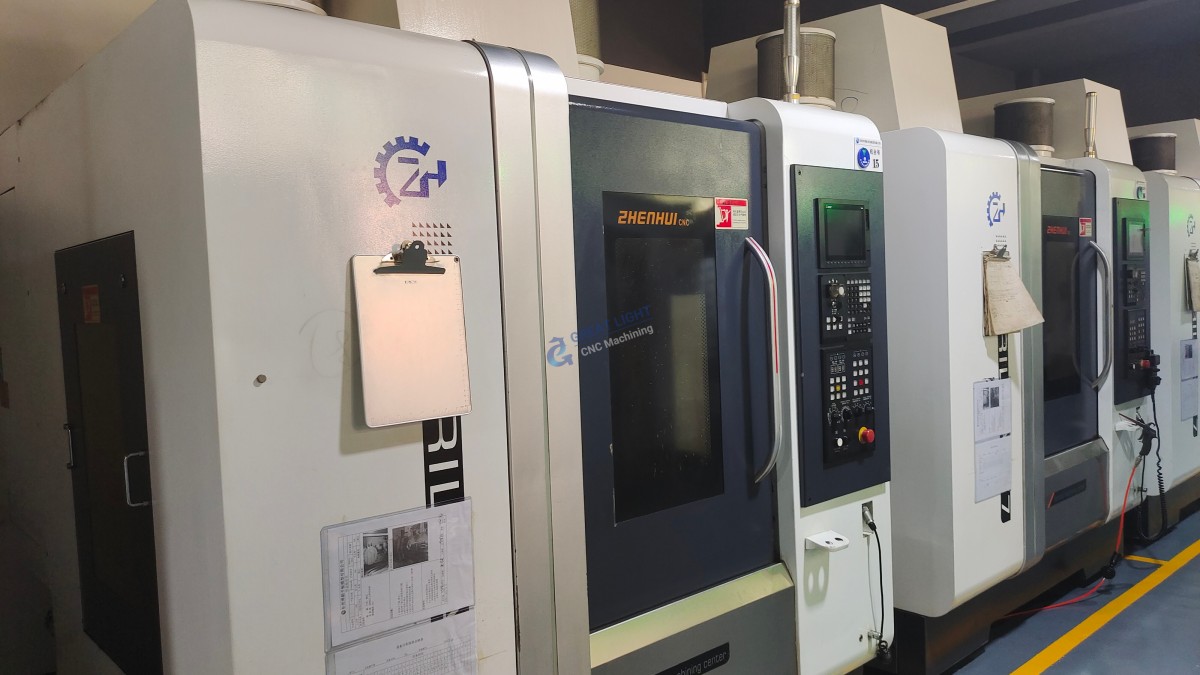
Contrary to common belief, the operator’s role extends far beyond simple machine monitoring. In a high-caliber environment like ours at GreatLight Metal Tech Co., LTD., operating a CNC machine is a multi-stage, highly skilled process that blends digital expertise with hands-on precision. The modern machinist or CNC programmer is a technologist, responsible for translating your 3D CAD model into flawless physical parts through a controlled, automated process. This operation can be distilled into three fundamental phases: Pre-Production & Programming, Machine Setup & Validation, and Production Execution & Monitoring.
H3: Phase 1: The Digital Foundation – Pre-Production and Programming
This is where the journey of your part begins, long before any metal is cut. This phase is arguably the most critical, as it determines the feasibility, efficiency, and quality of the entire production run.
CAD Model Analysis: The process starts with your provided 3D model (typically in STEP, IGES, or SLDPRT format). Our engineering team analyzes the design for manufacturability (DFM), identifying potential issues like inaccessible features, excessively thin walls, or unsuitable tolerances. We may provide feedback to optimize the design for cost-effective and reliable production.
CAM Programming: Using advanced Computer-Aided Manufacturing (CAM) software, a programmer creates the toolpaths. This involves:
Selecting Tools: Choosing the appropriate cutting tools (end mills, drills, taps) based on material, feature size, and required surface finish.
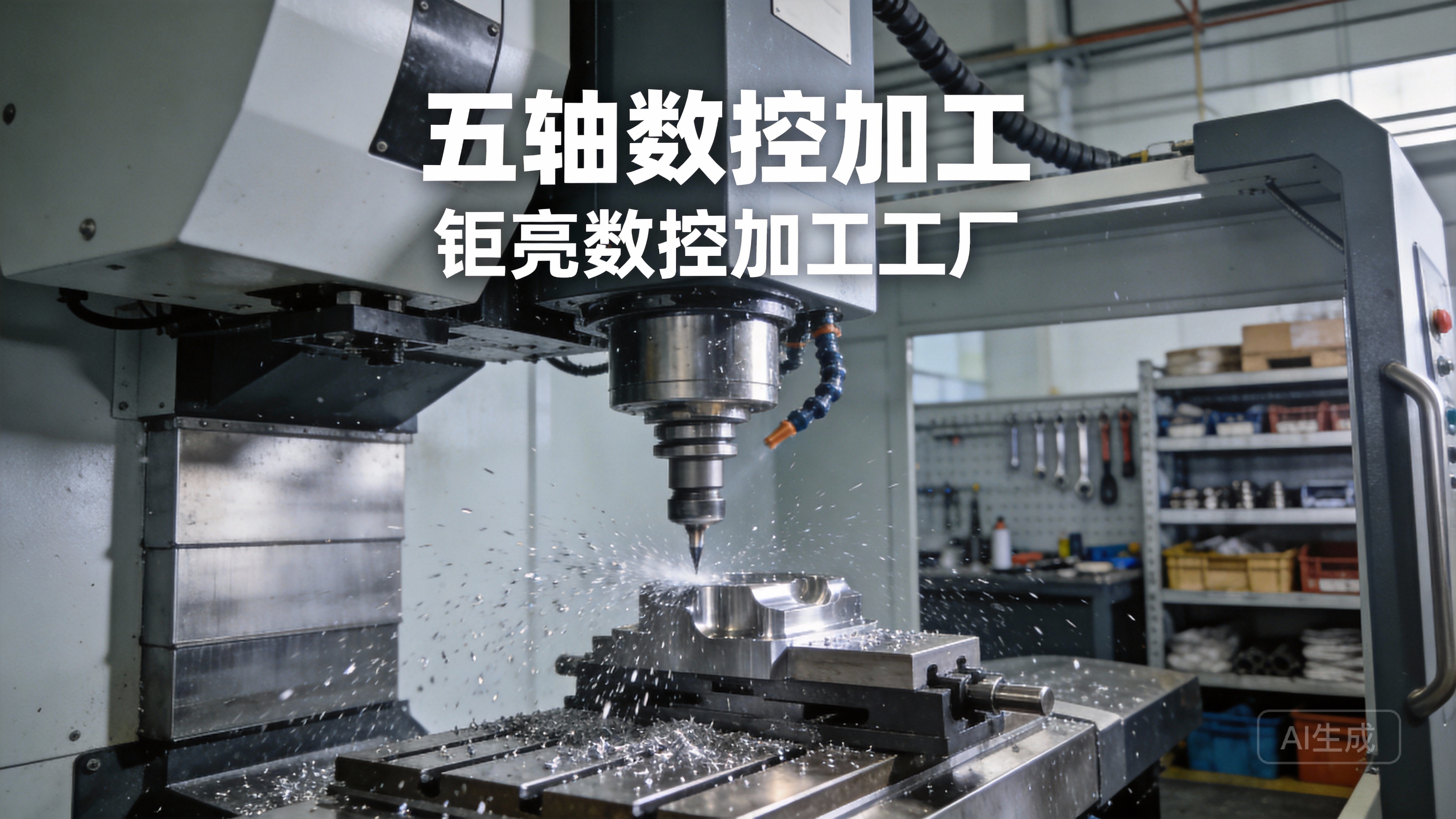
Defining Operations: Sequencing operations such as roughing, semi-finishing, and finishing. For complex parts, this is where the power of 5-axis CNC machining truly shines, as the programmer can strategically orient the part to machine complex contours in a single setup.
Setting Parameters: Precisely defining spindle speeds, feed rates, depth of cut, and coolant application. These parameters are material-specific and are honed from years of empirical data.
Simulation: The virtual toolpath is fully simulated to detect any potential collisions, gouging, or inefficient motions, ensuring safety and preventing costly machine damage.
H3: Phase 2: The Physical Bridge – Machine Setup and First-Article Validation
With the program ready, the focus shifts to the shop floor. This phase transforms digital instructions into a physical process.
Workholding Preparation: The operator selects and prepares the fixture (vise, chuck, custom jig) that will securely hold the raw material (billet, bar stock, or pre-form). Stability is paramount to achieving high precision.
Tool Setup: All cutting tools identified in the CAM program are loaded into the machine’s tool magazine or turret. Each tool is precisely measured for length and diameter, with these values entered into the machine’s tool offset table.
Workpiece Zeroing: The operator uses a probe or edge finder to establish the precise position of the workpiece relative to the machine’s coordinate system. This defines the “zero point” from which all tool movements are calculated.
Program Loading and Dry Run: The CNC program (often called G-code) is loaded into the machine controller. A “dry run” (machine running without the spindle on or without a workpiece) is performed to verify machine movements.
First-Article Inspection: The first part produced is meticulously measured using precision instruments like Coordinate Measuring Machines (CMM), optical comparators, or micrometers. This step verifies that all dimensions are within the specified tolerances. At GreatLight, this is a non-negotiable checkpoint, ensuring the process is locked in before full production begins.
H3: Phase 3: The Production Pulse – Execution, Monitoring, and Quality Assurance
Once the setup is validated, the machine enters production mode. However, operation remains active and vigilant.
Automated Machining Cycle: The CNC machine executes the programmed sequence autonomously. The operator’s role is to monitor the process for anomalies such as unusual sounds, tool wear, or coolant issues.
In-Process Checks: For long runs, periodic checks are performed on critical dimensions to detect any process drift due to tool wear or thermal effects. Statistical Process Control (SPC) methods may be employed.
Tool Management: Operators replace worn tools based on preset life counters or observed surface finish degradation. This proactive management is key to maintaining consistent quality.
Post-Processing Coordination: After machining, the operator or a separate team handles deburring, and prepares parts for any required one-stop post-processing services like anodizing, plating, heat treatment, or assembly, ensuring a seamless transition.
H2: Why Partnering with an Expert Like GreatLight Metal Makes the Difference
Understanding the operation highlights why choosing the right partner is critical. Operating a basic 3-axis machine for simple shapes is one thing; orchestrating the production of a complex, tight-tolerance aerospace component on a 5-axis system is another. Here’s how our approach adds layers of value:
Deep Process Ownership: Our engineers own the entire process from DFM to final inspection. This vertical integration eliminates communication gaps and ensures accountability.
Advanced Equipment Mastery: Operating our Dema and Jingdiao 5-axis CNC centers requires specialized expertise to leverage their full potential for complex geometries and superior surface finishes, which we provide as part of our precision 5-axis CNC machining services.
Systematic Quality Gates: Our ISO 9001:2015, IATF 16949, and ISO 13485 certified systems ensure every operational step is documented, controlled, and repeatable, providing you with traceability and peace of mind.
Proactive Problem-Solving: Our operators and programmers are trained to anticipate issues rather than just react to them, minimizing downtime and ensuring on-time delivery.
Conclusion
How do you operate a CNC machine? You do it with a fusion of digital foresight, meticulous physical preparation, and vigilant, knowledgeable oversight. It is a disciplined process that turns engineering intent into tangible precision. For clients seeking reliable, high-quality custom parts, the operator’s skill and the manufacturer’s integrated systems are as important as the machine itself. Choosing a partner like GreatLight Metal Tech Co., LTD. means entrusting your components to a team that masters every nuance of this operation, backed by authoritative certifications and a full-process capability that transforms your most challenging designs into manufactured reality.
FAQ: Frequently Asked Questions on CNC Machine Operation
Q1: Is CNC machining fully automated, or does it require constant manual intervention?
A: While the cutting cycle is fully automated, skilled human intervention is vital at multiple stages: programming, setup, first-article validation, tool management, in-process quality checks, and post-processing. It is a highly automated process supervised by experts.
Q2: What file format do I need to provide for you to operate the CNC machine and make my part?
A: We prefer 3D solid models in universal formats like .STEP or .IGES, along with a 2D drawing specifying critical dimensions, tolerances, materials, and finishes. The 3D model drives the CAM programming, while the drawing provides the definitive specification for inspection.
Q3: How do you ensure the precision and consistency of parts across a production run?
A: Consistency is ensured through a combination of rigid, high-precision machines, qualified tooling, controlled environmental conditions, a rigorous first-article inspection process, and scheduled in-process checks. Our quality management systems (like IATF 16949) provide the framework for this control.
Q4: What are the main advantages of 5-axis CNC operation over 3-axis?
A: 5-axis CNC machining allows the cutting tool to approach the workpiece from virtually any direction in a single setup. This enables machining of extremely complex geometries, improves accuracy by reducing multiple setups, allows for shorter tools that can achieve better surface finishes, and often reduces overall production time.
Q5: Can you handle the entire process from my raw idea to a finished, assembled product?
A: Absolutely. As a one-stop manufacturing solutions provider, GreatLight Metal not only operates the CNC machines but also manages the entire chain: material sourcing, CNC machining, additive manufacturing (3D printing), sheet metal fabrication, die casting, and comprehensive surface finishing and assembly services. We serve as your integrated manufacturing partner. For ongoing insights into our capabilities and industry trends, follow our professional updates on LinkedIn.