
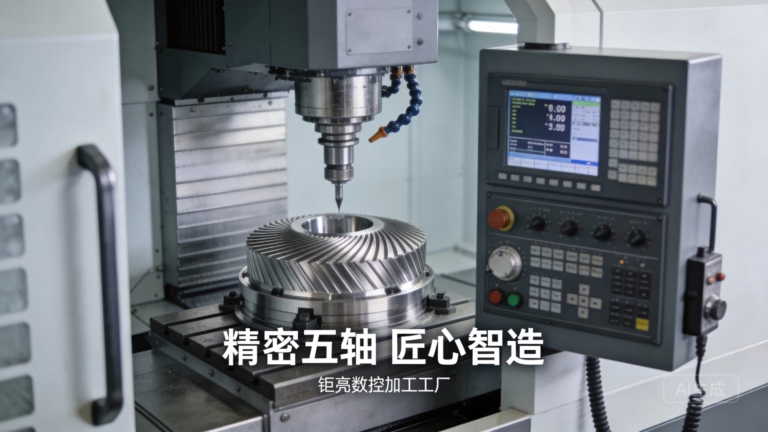
How Do You Fix Chatter On CNC Machines? If you’ve ever heard a high-pitched, vibrating whine from your CNC machining center mid-job, followed by visible wavy tool marks on your precision part, you’ve encountered CNC chatter—a common yet costly issue that can derail production quality, damage expensive tools, and eat into your bottom line. For industries like automotive, aerospace, and medical devices where even micro-defects can lead to catastrophic failure, resolving chatter isn’t just a matter of convenience—it’s a critical requirement for meeting strict quality standards.
How Do You Fix Chatter On CNC Machines?
Before diving into solutions, it’s essential to understand what CNC chatter is, why it happens, and the full scope of its impacts. Only then can you implement targeted, long-lasting fixes that minimize downtime and maximize part quality.
What Is CNC Chatter?
CNC chatter refers to self-sustaining, unwanted vibrations that occur between the cutting tool, workpiece, and CNC machine structure during machining. There are two primary types:
Forced Chatter: Caused by external, periodic inputs like imbalanced spindle components, misaligned feed drives, or inconsistent material hardness. This type of vibration is usually predictable and tied to a specific machine or setup flaw.
Regenerative Chatter: The most common and problematic type, arising when the tool cuts through a surface with residual vibrations from a previous pass. This creates a feedback loop where each cut amplifies the vibration, leading to rapid tool wear and poor surface finish.
In precision machining scenarios—such as the titanium alloy aerospace components or automotive engine parts GreatLight Metal regularly produces—even mild chatter can result in parts failing dimensional accuracy checks or surface finish requirements, leading to costly scrap and rework.
The Hidden Costs of Ignoring CNC Chatter
Chatter isn’t just a noisy nuisance; it has tangible, far-reaching consequences for your manufacturing operations:
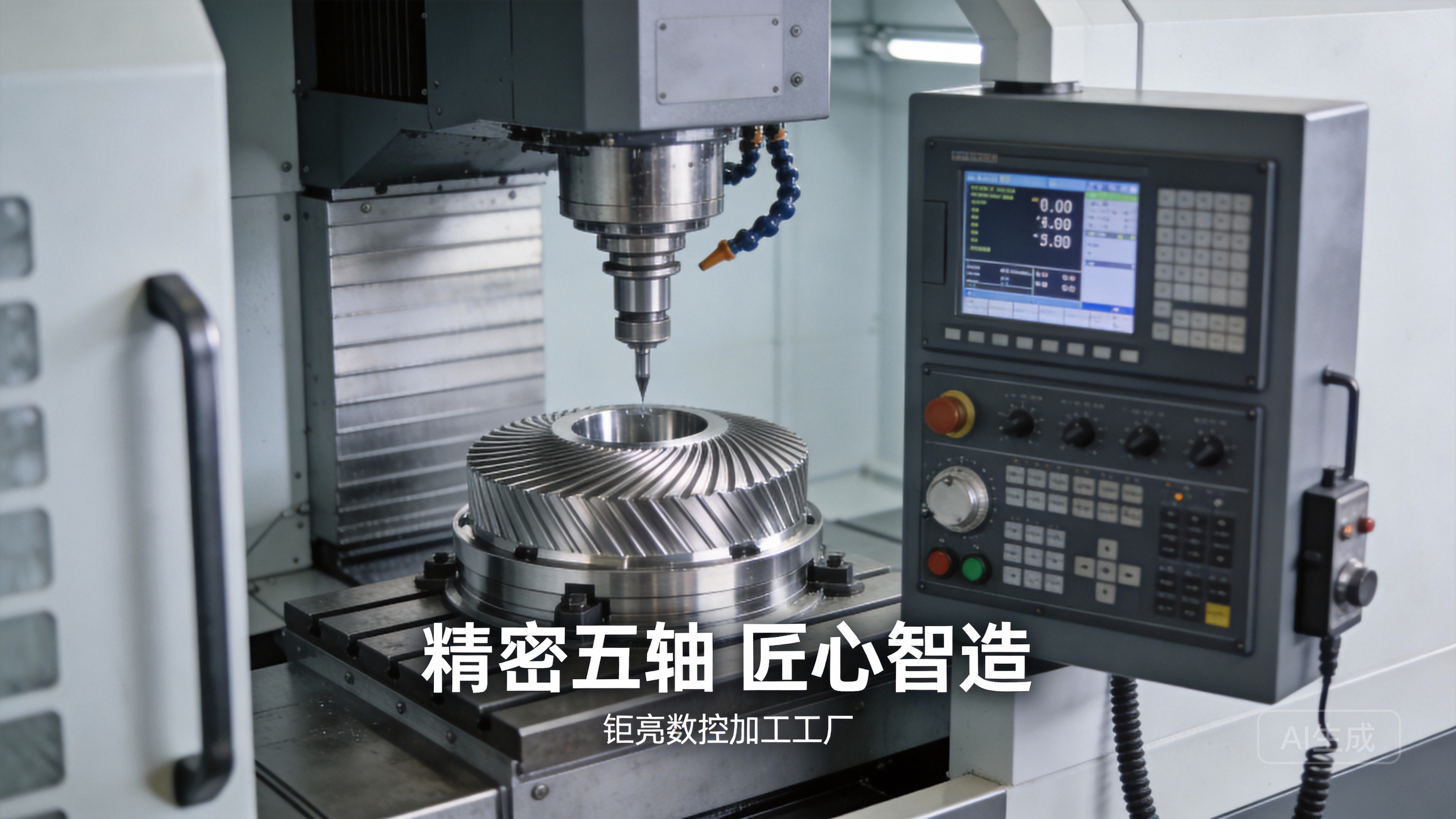
Surface Finish Defects: Wavy or scalloped marks on parts that don’t meet aesthetic or functional requirements (e.g., sealing surfaces in hydraulic components).
Premature Tool Failure: Vibrations cause micro-chipping and accelerated wear on cutting edges, reducing tool life by 30-50% in severe cases.
Machine Component Damage: Over time, excessive vibration can loosen bolts, wear out spindle bearings, or warp machine frames, leading to expensive repairs and unplanned downtime.
Increased Scrap Rates: Parts with chatter often fail inspection, pushing up material costs and delaying delivery deadlines.
Compromised Part Performance: For load-bearing parts like robotic joints or medical implants, chatter-induced stress concentrations can lead to premature fatigue failure in real-world use.
Root Causes of CNC Chatter
To fix chatter effectively, you must first identify its source. Below are the most common culprits:
Machine Structure and Rigidity
A machine’s structural stiffness is the foundation of vibration resistance. Older or poorly maintained machines may have worn linear guides, loose spindle components, or inadequate base rigidity. For example, a 3-axis machine with a flimsy table may vibrate more when machining large workpieces, whereas GreatLight Metal’s high-end 5-axis CNC machining centers (equipped with heavy-duty cast iron frames and precision linear scales) offer exceptional rigidity to minimize this risk.
Tooling Issues
Tooling is often the weakest link in the machining chain when it comes to chatter:
Overly Long Tools: Extended tool overhang (the distance from the tool holder to the cutting edge) reduces rigidity, making the tool more prone to bending and vibration.
Incorrect Tool Holder Selection: Using a collet that doesn’t grip the tool tightly, or a holder that isn’t balanced for high spindle speeds, can introduce unwanted vibration.
Dull or Damaged Tools: Blunt cutting edges require more force to remove material, increasing the likelihood of vibration.
Cutting Parameters
Incorrect feed rates, spindle speeds, or depth of cut are frequent triggers for chatter:
Spindle Speed Mismatch: Operating at a speed that resonates with the tool-workpiece system creates a feedback loop that amplifies vibrations.
Excessive Depth of Cut: Removing too much material in a single pass increases cutting forces, leading to tool deflection and chatter.
Feed Rate Too High/Low: A feed rate that’s too high can cause tool chatter, while one that’s too low allows the tool to rub against the workpiece, generating heat and vibration.
Workpiece Setup and Stability
Poorly fixtured workpieces can vibrate during machining, especially if they’re thin, irregularly shaped, or made of low-rigidity materials like aluminum. For example, a thin sheet metal part may flex under cutting forces, leading to chatter unless clamped securely with multiple fixtures or support blocks.
Environmental Factors
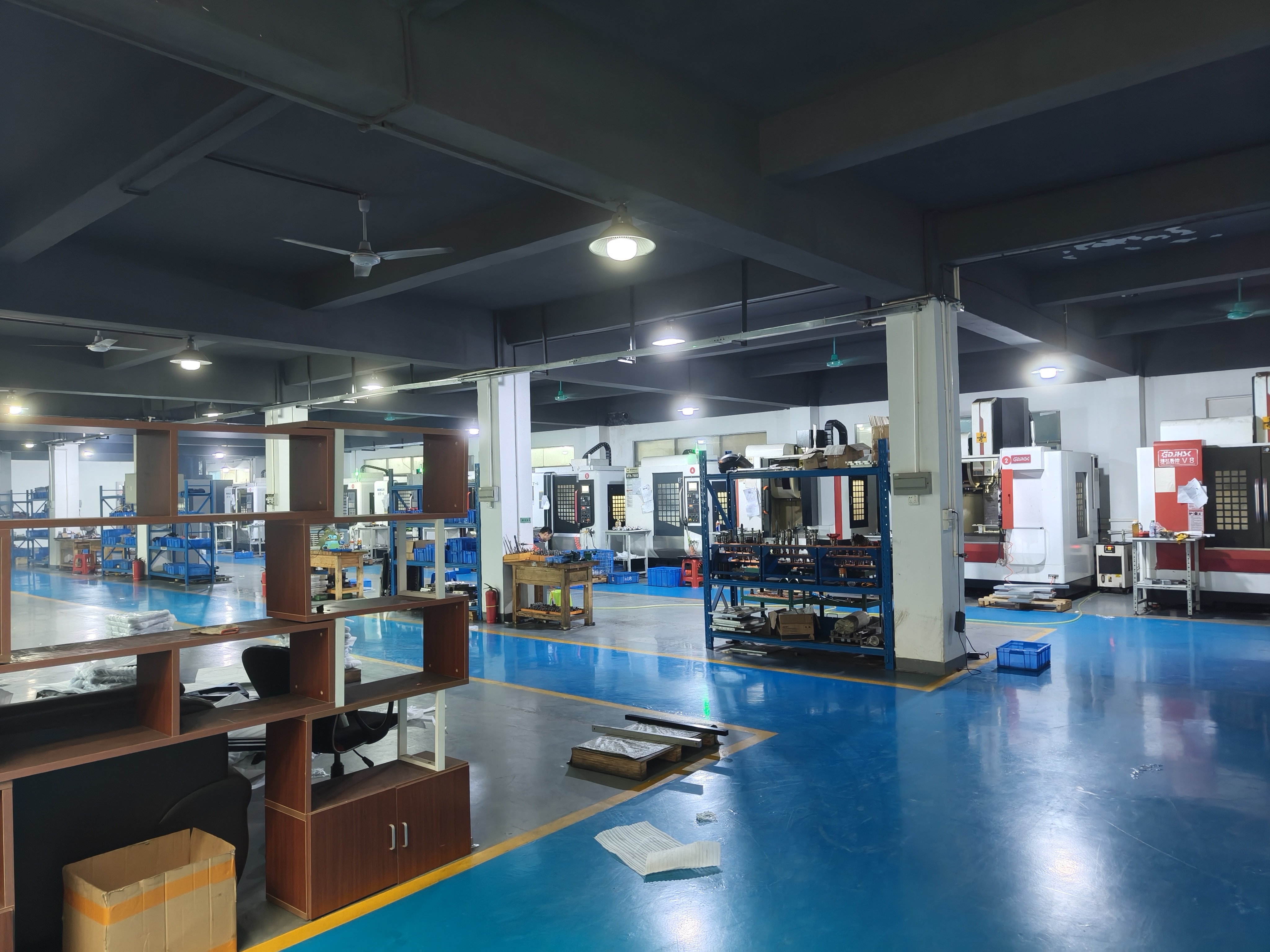
While less common, external factors like nearby heavy machinery, uneven flooring, or temperature fluctuations can contribute to machine vibration. GreatLight Metal’s 7600-square-meter facility is designed with isolated machine foundations and temperature-controlled workspaces to mitigate these environmental impacts.
Step-by-Step Solutions to Fix CNC Chatter
Resolving chatter requires a systematic, diagnostic-first approach. Below are targeted fixes for each common root cause:
1. Diagnose the Exact Source of Chatter
Start by gathering data to pinpoint the issue:
Visual Inspection: Examine the workpiece for characteristic wavy marks (indicative of regenerative chatter) or irregular tool wear patterns.
Auditory Analysis: Different types of chatter produce distinct sounds—high-pitched whines often signal regenerative chatter, while low-frequency rumbles may point to machine rigidity issues.
Vibration Monitoring: Use portable vibration sensors or machine-integrated monitoring tools to measure vibration amplitude and frequency. GreatLight Metal’s ISO 9001:2015 certified quality control processes include pre-machining vibration checks to catch potential issues before they affect parts.
2. Address Machine Rigidity Gaps
Tighten Loose Components: Regularly inspect and torque all machine bolts, spindle assemblies, and linear guide rails to eliminate play.
Upgrade Machine Components: For older machines, replacing worn bearings or upgrading to a rigid spindle can significantly reduce vibration. GreatLight Metal’s fleet of 127 precision machines includes high-end 5-axis centers with built-in dynamic stabilization systems that actively dampen vibrations during machining.
Improve Machine Foundation: Ensure your CNC machine is installed on a level, isolated foundation to minimize external vibration transfer.
3. Optimize Tooling for Stability
Reduce Tool Overhang: Use the shortest possible tool for the job, or opt for a modular tool holder system to extend reach without sacrificing rigidity. For deep cavity machining, GreatLight’s engineers often use stub end mills with solid carbide construction to minimize deflection.
Select Balanced Tool Holders: Use shrink-fit or hydraulic tool holders that provide uniform gripping force, reducing tool runout and vibration.
Maintain Sharp Tools: Implement a regular tool sharpening or replacement schedule. GreatLight Metal’s tool management system tracks tool life and automatically alerts operators when a tool needs servicing, preventing dull tools from causing chatter.
4. Adjust Cutting Parameters Strategically
Optimize Spindle Speed: Use the “stability lobe diagram” (generated via CAM software) to identify spindle speeds that minimize vibration. This diagram maps safe operating zones where cutting forces are balanced and chatter is unlikely.
Reduce Depth of Cut: If chatter occurs, decrease the depth of cut by 20-30% to reduce cutting forces. Pair this with a slightly higher feed rate to maintain production efficiency.
Adjust Feed Rate: For regenerative chatter, increasing the feed rate can break the feedback loop by changing the tool’s contact pattern with the workpiece.
5. Improve Workpiece Setup
Increase Clamping Force: Use more clamps or fixtures to secure the workpiece, especially for thin or flexible parts. GreatLight Metal’s engineers often use custom jigs and fixtures tailored to the workpiece shape to ensure maximum stability.
Add Support Features: For long, slender workpieces, use tailstocks, steady rests, or temporary support blocks to reduce deflection during machining.
Use Rigid Materials: If possible, select a workpiece material with higher stiffness (e.g., titanium instead of aluminum) to resist vibration.
6. Mitigate Environmental Disturbances
Isolate the Machine: Place the CNC machine in a dedicated workspace away from heavy machinery or high-traffic areas.
Control Temperature: Maintain a consistent temperature in the machining area to prevent thermal expansion of machine components, which can lead to misalignment and vibration.
Preventive Measures to Avoid Future Chatter
Fixing chatter is critical, but preventing it from occurring in the first place is even more efficient. GreatLight Metal’s proactive approach includes:
Regular Machine Maintenance: A strict schedule of lubrication, calibration, and component inspections to keep machines operating at peak performance.
CAM Software Simulation: Using advanced CAM tools to optimize tool paths and cutting parameters before machining. This allows engineers to identify potential chatter points and adjust settings virtually, eliminating costly trial-and-error.
Employee Training: Ensuring all operators and engineers are trained to recognize early signs of chatter and implement corrective actions quickly.
Tool and Fixture Standardization: Using a consistent set of high-quality tools and fixtures to minimize variables that can trigger chatter.
GreatLight Metal’s Expertise in Resolving CNC Chatter
For over a decade, GreatLight Metal has specialized in solving complex machining challenges—including chatter—for clients in automotive, aerospace, medical, and robotic industries. A recent example illustrates this expertise:
A leading aerospace client was struggling with severe chatter when machining thin-wall titanium alloy engine components. The chatter was causing surface finish defects that failed aerospace quality standards, leading to 30% scrap rates and delayed deliveries. GreatLight’s engineers conducted a full diagnostic:
Identified the root cause: Excessive tool overhang combined with suboptimal spindle speeds.
Implemented fixes: Switched to a shorter, rigid solid carbide end mill, optimized spindle speed using stability lobe diagrams, and used a custom fixture to support the thin workpiece walls.
Results: Eliminated chatter completely, reduced scrap rates to 2%, and increased tool life by 40%. The client met their delivery deadlines and maintained compliance with IATF 16949 automotive industry standards (which GreatLight also holds).
GreatLight Metal’s commitment to quality is backed by a suite of international certifications—ISO 9001:2015, IATF 16949, ISO 13485, and ISO 27001—ensuring that every machining process adheres to the highest global standards. Their state-of-the-art precision 5-axis CNC machining services (opens in new window) are designed to minimize chatter through inherent machine rigidity and dynamic stabilization, making them the ideal partner for high-precision, complex parts.
Conclusion
In the end, knowing how do you fix chatter on CNC machines is more than just a technical skill—it’s a cornerstone of efficient, high-quality precision manufacturing. By understanding the root causes, implementing targeted fixes, and partnering with experts like GreatLight Metal (opens in new window), you can minimize downtime, reduce scrap rates, and deliver parts that meet the most stringent industry standards. Whether you’re machining a single prototype or a large production run, resolving chatter requires a combination of diagnostic rigor, technical expertise, and access to advanced equipment—all of which GreatLight Metal provides as part of its one-stop precision machining solutions.
Frequently Asked Questions (FAQ)
Q1: Can CNC chatter be completely eliminated?
While it’s difficult to eliminate chatter entirely in all scenarios, it can be reduced to levels that don’t affect part quality or tool life. With proper setup, optimized parameters, and a rigid machine system, you can keep chatter within acceptable limits for even the most precise applications.
Q2: How do I know if vibration is normal or chatter?
Normal machining vibration is usually low-amplitude, consistent, and doesn’t leave visible defects on the workpiece. Chatter, by contrast, produces a distinct, high-pitched whine, causes wavy tool marks, and often leads to rapid tool wear. If you’re unsure, use vibration monitoring tools to measure amplitude and frequency.
Q3: Does material type affect CNC chatter?
Yes. Materials with low rigidity (like aluminum or plastic) are more prone to workpiece-induced chatter, while hard, brittle materials (like titanium or tool steel) can cause tool-induced chatter if not paired with the right cutting parameters. GreatLight Metal’s expertise spans over 50 materials, so their engineers can tailor solutions to any material type.
Q4: What role does CAM software play in preventing chatter?
Advanced CAM software can simulate tool paths, generate stability lobe diagrams, and optimize cutting parameters to avoid chatter-prone operating zones. GreatLight Metal uses industry-leading CAM tools to pre-validate all machining processes, reducing the risk of chatter before a single cut is made.
Q5: How often should I check my CNC machine for potential chatter causes?
For high-volume production lines, conduct weekly checks for loose components, tool wear, and spindle alignment. For low-volume, high-precision jobs, perform pre-machining checks before every run. GreatLight Metal’s ISO 9001-certified quality system mandates daily machine inspections to catch potential issues early.
Q6: Can chatter damage my CNC machine long-term?
Yes. Excessive chatter can wear out spindle bearings, loosen machine components, and warp the machine frame over time. Regular maintenance and prompt chatter resolution are essential to extend the lifespan of your CNC machine.



















