
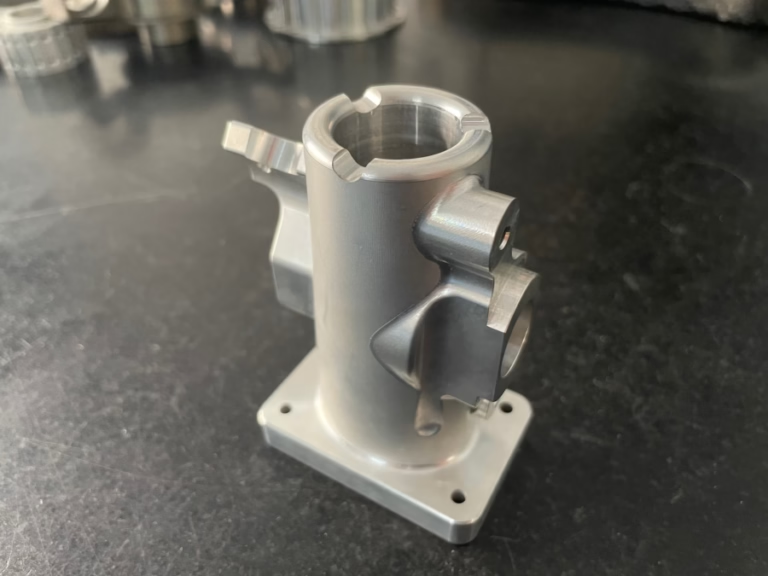
How Do People Use CNC Machines?
In modern manufacturing, CNC machines—short for Computer Numerical Control machines—are the backbone of precision part production across industries ranging from aerospace and automotive to medical devices and consumer electronics. But how exactly do people use CNC machines? What transforms a block of metal or plastic into a high-precision component with complex geometry? This article explores the practical applications, operational workflows, and real-world value that CNC machining delivers—particularly through advanced solutions like those offered by GreatLight CNC Machining Factory, a leader in five-axis CNC machining and integrated manufacturing services.
Whether you’re an engineer, product designer, or procurement specialist, understanding how CNC technology is applied in practice can help you make smarter decisions when outsourcing custom parts.
Understanding CNC Machining: From Digital Design to Physical Part
At its core, using a CNC machine involves converting a digital 3D model into precise physical movements that cut, shape, and form raw materials into finished components. The process is highly automated but requires expert human oversight at every stage—from design preparation to final inspection.
Step-by-Step Workflow of CNC Machine Usage
Design & CAD Modeling
Engineers begin by creating a detailed 3D model using CAD (Computer-Aided Design) software such as SolidWorks, AutoCAD, or Fusion 360. This model defines every dimension, feature, and tolerance required for the part.
CAM Programming (Computer-Aided Manufacturing)
The CAD file is imported into CAM software, where toolpaths are generated. These paths dictate how the cutting tools will move across the material—speed, depth, direction, and sequence—all optimized for efficiency and accuracy.
Machine Setup & Material Fixturing
Operators load the appropriate raw material (e.g., aluminum, stainless steel, titanium, or engineering plastics) onto the CNC machine bed. The workpiece is securely clamped using vises, vacuum chucks, or custom fixtures to prevent vibration or shifting during machining.
Tool Selection & Calibration
Based on the part geometry and material, specific cutting tools (end mills, drills, reamers) are selected and loaded into the machine’s automatic tool changer. Each tool is precisely measured and calibrated to ensure dimensional accuracy.
Execution of Machining Cycles
Once everything is set, the CNC program runs automatically. The machine removes material layer by layer until the final shape emerges. For complex geometries, multi-axis machines (like five-axis CNC systems) rotate the part or spindle to access hard-to-reach features without manual repositioning.
Inspection & Quality Assurance
After machining, parts undergo rigorous inspection using coordinate measuring machines (CMM), optical comparators, or laser scanners to verify compliance with tolerances (down to ±0.001mm). Any deviations trigger corrective actions, including rework if necessary.
Post-Processing & Surface Finishing
Depending on application requirements, additional steps may include deburring, polishing, anodizing, painting, or heat treatment. GreatLight CNC Machining Factory offers comprehensive one-stop post-processing services to deliver fully finished, ready-to-use components.
Real-World Applications: How Different Industries Use CNC Machines
The versatility of CNC machining makes it indispensable across sectors. Here’s how different professionals utilize these powerful tools:
1. Aerospace Engineering
Engineers use CNC machines to produce turbine blades, engine housings, landing gear components, and structural brackets made from high-strength alloys like Inconel or titanium. These parts require extreme precision due to safety-critical performance demands.
Example: A jet engine housing with internal cooling channels and aerodynamic contours can only be manufactured efficiently using 5-axis CNC machining, which allows continuous cutting from multiple angles.
2. Automotive & Electric Vehicle Development
From prototype development to low-volume production, automakers rely on CNC-machined parts for testing new designs. Components such as transmission cases, suspension arms, brake calipers, and battery enclosures are commonly machined.
GreatLight CNC Machining Factory supports new energy vehicle innovators in producing e-housings and motor mounts with tight IP sealing requirements and thermal management needs—challenges addressed through integrated design-for-manufacturability reviews and precision machining.
3. Medical Device Manufacturing
Surgical instruments, implantable devices (such as hip joints or cranial plates), and diagnostic equipment demand biocompatible materials and micron-level accuracy. CNC lathes and milling centers process stainless steel 316L, titanium Grade 5, and PEEK polymer with sterile-grade surface finishes.
With ISO 13485 certification, GreatLight Metal ensures full traceability, cleanroom-compatible processing, and documentation suitable for regulatory submissions.
4. Robotics & Humanoid Systems
As robotics advances toward human-like dexterity and mobility, mechanical joints, actuator housings, and sensor mounts require lightweight yet rigid structures with intricate internal pathways. Multi-axis CNC machining enables rapid prototyping and small-batch production of such components.
GreatLight CNC Machining Factory has extensive experience in machining magnesium alloy skeletons and aluminum gearbox assemblies for next-generation humanoid robots—parts that combine strength, weight reduction, and aesthetic finish.
5. Consumer Electronics & High-Tech Hardware
Enclosures for smartphones, drones, AR/VR headsets, and wearables often start as CNC-machined prototypes before moving to mass production via injection molding. Aluminum unibodies, camera lens mounts, and heat sinks are typical examples.
Using both CNC milling and precision 5-axis CNC machining services (open in new window), GreatLight delivers mirror-finish prototypes within days, enabling faster design validation and investor presentations.
Why Choose Advanced CNC Solutions Like Five-Axis Machining?
While basic 3-axis CNC machines handle flat or simple 3D shapes, more complex parts benefit significantly from multi-axis capabilities. Let’s explore why engineers increasingly turn to five-axis CNC systems:
| Feature | 3-Axis CNC | 5-Axis CNC |
|---|---|---|
| Axes of Movement | X, Y, Z | X, Y, Z + A (rotation around X), B (rotation around Y) |
| Tool Access | Limited; requires manual re-fixturing | Full 360° access; no repositioning needed |
| Surface Finish | Good | Superior due to optimal tool angle |
| Cycle Time | Longer (multiple setups) | Shorter (single setup) |
| Complexity Handling | Moderate | High (organic shapes, undercuts, deep cavities) |
| Precision Consistency | Lower (setup errors accumulate) | Higher (one-setup advantage) |
This enhanced capability translates directly into faster time-to-market, reduced scrap rates, and higher repeatability—critical advantages for R&D teams and startups operating under tight deadlines.
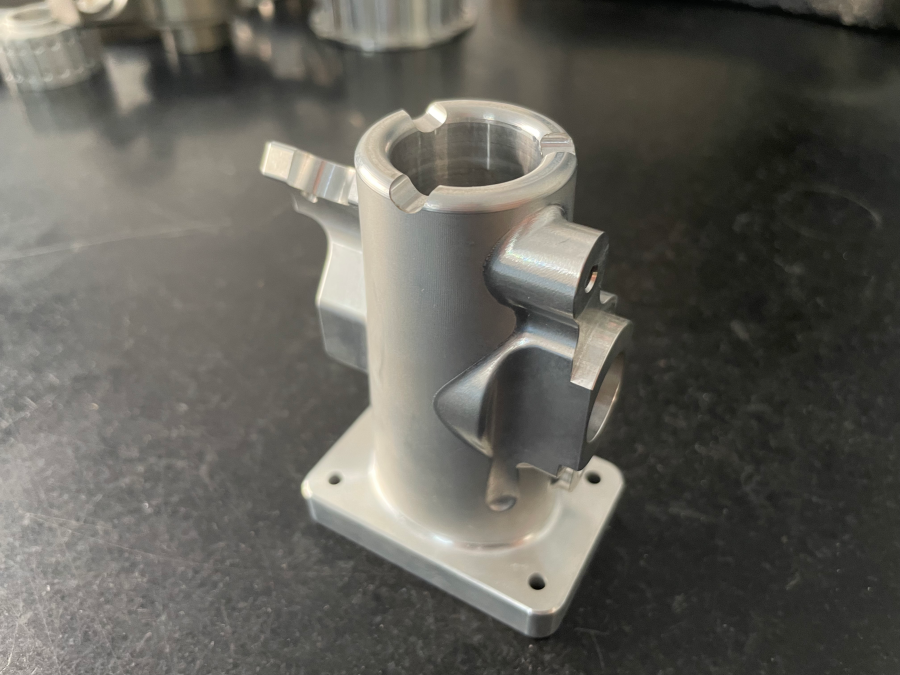
For instance, a medical imaging device bracket with angled mounting holes and curved surfaces would require three separate setups on a 3-axis machine, increasing alignment risk. On a 5-axis system, it’s completed in one go—with perfect positional accuracy.
Overcoming Common Challenges in CNC Machine Utilization
Despite their power, many organizations struggle to get the most out of CNC technology. Below are key pain points—and how partnering with a capable manufacturer like GreatLight CNC Machining Factory mitigates them:
🔹 Pain Point: Inconsistent Quality Across Suppliers
Some vendors promise ±0.005mm precision but fail to deliver consistently due to outdated equipment or poor process control.
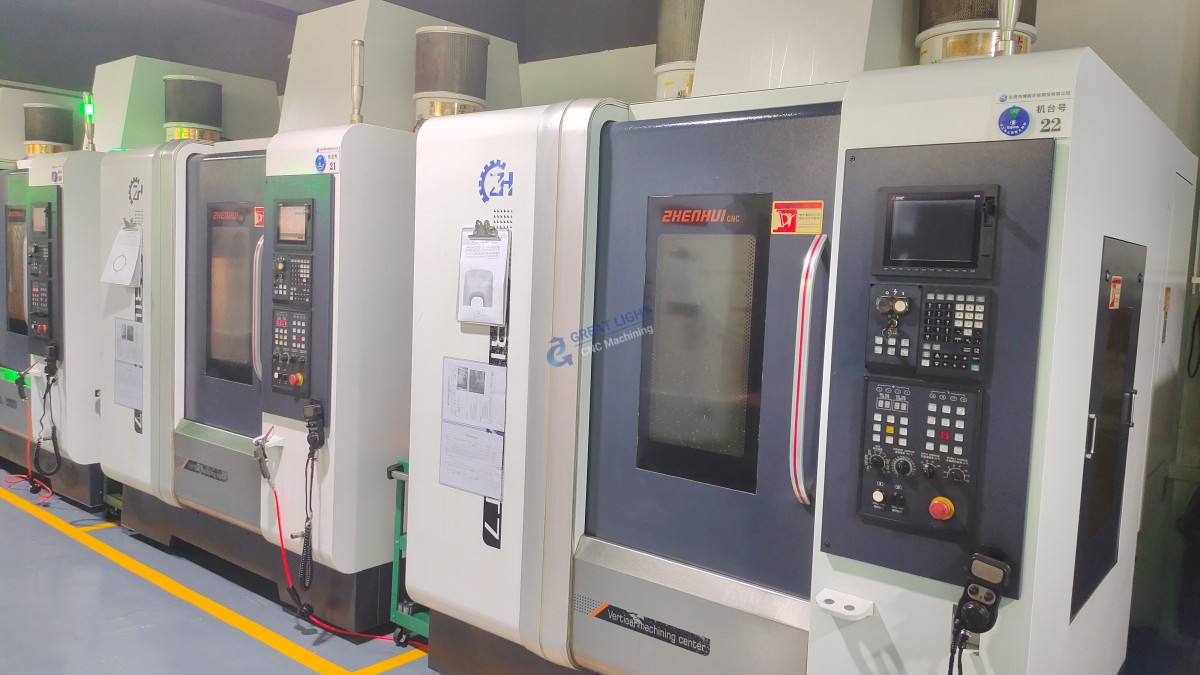
✅ Solution: GreatLight operates brand-name 5-axis CNC centers (including Dema and Jingdiao models), maintains strict calibration schedules, and uses in-house CMMs for verification—ensuring every part meets spec.
🔹 Pain Point: Long Lead Times for Complex Parts
Traditional shops may take weeks to schedule, program, and machine intricate components.
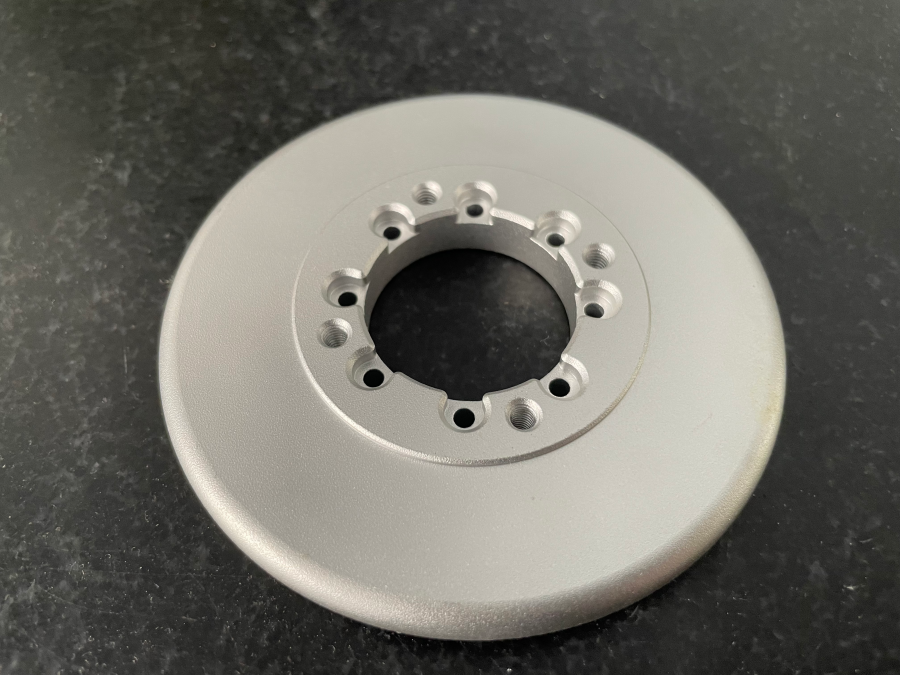
✅ Solution: With over 127 pieces of peripheral precision equipment and dedicated project managers, GreatLight achieves turnaround times as fast as 3–5 days for prototypes, even for multi-feature parts.
🔹 Pain Point: Lack of Engineering Support
Many CNC providers act as “machine operators” rather than partners, leaving clients to resolve manufacturability issues alone.
✅ Solution: GreatLight offers free DFM (Design for Manufacturability) analysis, helping optimize wall thickness, draft angles, and tool accessibility—saving cost and avoiding redesign delays.
🔹 Pain Point: Poor Communication & IP Security Risks
Startups fear sharing sensitive designs with unreliable vendors.
✅ Solution: GreatLight adheres to ISO 27001 standards for information security, signs NDAs, and provides secure data transfer protocols—protecting intellectual property throughout the collaboration.
The Role of Integrated Manufacturing Ecosystems
What truly sets apart leading CNC service providers is not just machinery—but the ability to offer end-to-end solutions. GreatLight CNC Machining Factory exemplifies this with a vertically integrated ecosystem:
In-house capabilities: CNC machining, die casting, sheet metal fabrication, 3D printing (SLM, SLA, SLS), mold making
One-stop finishing: Anodizing, plating, powder coating, brushing, laser engraving
Certified quality systems: ISO 9001:2015, IATF 16949 (automotive), ISO 13485 (medical), ISO 27001 (data security)
Scalable production: From single prototypes to batch runs up to 10,000 units
This integration eliminates supply chain fragmentation, reduces coordination overhead, and accelerates iteration cycles—especially valuable for hardware startups and global OEMs alike.
Conclusion: Maximizing Value Through Smart CNC Utilization
Understanding how people use CNC machines goes beyond knowing the technical steps—it involves recognizing the strategic role of precision manufacturing in bringing innovative ideas to life. Whether you’re developing a surgical robot, an electric vehicle component, or a smart home device, the choice of your CNC machining partner directly impacts product quality, development speed, and long-term scalability.
By leveraging advanced technologies like five-axis CNC machining, combined with deep engineering expertise and certified quality systems, manufacturers like GreatLight CNC Machining Factory empower clients to overcome traditional barriers in precision part production. Their holistic approach—from initial design consultation to final delivery—makes them not just a vendor, but a true innovation enabler.
If you’re looking to transform your 3D designs into high-performance physical parts with speed, precision, and reliability, exploring what modern CNC machining can do—especially through a proven provider like GreatLight CNC Machining Factory—is a critical step forward.
Frequently Asked Questions (FAQ)
Q1: What types of materials can be machined using CNC?
A wide range of metals and plastics can be processed, including:
Metals: Aluminum (6061, 7075), Stainless Steel (303, 304, 316), Titanium (Grade 2, Grade 5), Brass, Copper, Inconel, Magnesium
Plastics: ABS, PC, POM (Delrin), Nylon, PEEK, PMMA (acrylic)
GreatLight CNC Machining Factory supports nearly all industrial-grade materials with fast customization.
Q2: What is the difference between 3-axis, 4-axis, and 5-axis CNC machining?
3-axis: Cutting occurs along X, Y, and Z linear axes. Best for flat or prismatic parts.
4-axis: Adds rotational movement around the X-axis (A-axis), allowing machining of cylindrical features.
5-axis: Adds two rotational axes (A and B), enabling simultaneous multi-directional cutting. Ideal for complex organic shapes, aerospace components, and medical implants.
Q3: Can CNC machines produce prototypes quickly?
Yes. With automated programming and high-speed machining, prototypes can be delivered in as little as 3–5 days. GreatLight CNC Machining Factory specializes in rapid prototyping using CNC, 3D printing, and vacuum casting, supporting agile product development.
Q4: Is CNC machining expensive?
Cost depends on complexity, material, volume, and tolerances. While per-unit costs are higher than injection molding, CNC is ideal for low-volume production and functional prototypes. GreatLight offers competitive pricing with transparent quotes and no hidden fees.
Q5: How do I ensure my design is CNC-friendly?
Follow best practices:
Avoid excessively thin walls (<0.8mm for metal)
Use standard tool sizes for holes and radii
Minimize deep cavities and sharp internal corners
Specify realistic tolerances only where needed
Upload your design for a free DFM review to receive actionable feedback.
Q6: Does GreatLight CNC Machining Factory support international clients?
Absolutely. With English-speaking engineering teams, international shipping, and compliance with global quality standards (ISO, IATF, etc.), GreatLight serves clients worldwide—from Silicon Valley startups to German automotive suppliers.
Q7: How is data security handled during CNC projects?
All client files are protected under ISO 27001-compliant information security policies. Non-disclosure agreements (NDAs) are standard, and digital files are encrypted and stored securely. Your intellectual property remains yours.
Q8: What certifications does GreatLight CNC Machining Factory hold?
Key certifications include:
ISO 9001:2015 – Quality Management
IATF 16949 – Automotive Industry QMS
ISO 13485 – Medical Device Manufacturing
ISO 27001 – Information Security
These validate consistent quality, process control, and trustworthiness.
Q9: Can CNC-machined parts be surface-treated?
Yes. Available post-processing options include:
Anodizing (Type II & III for aluminum)
Electroplating (nickel, zinc, chrome)
Powder coating
Passivation (for stainless steel)
Polishing, brushing, bead blasting
GreatLight provides one-stop finishing to meet functional and aesthetic requirements.
Q10: Where is GreatLight CNC Machining Factory located, and how can I learn more?
Established in 2011 in Dongguan, China—the heart of precision manufacturing—the factory spans 7,600 sqm with 150 skilled personnel. To explore capabilities, view case studies, or connect professionally, visit the company profile on LinkedIn (open in new window).


















