
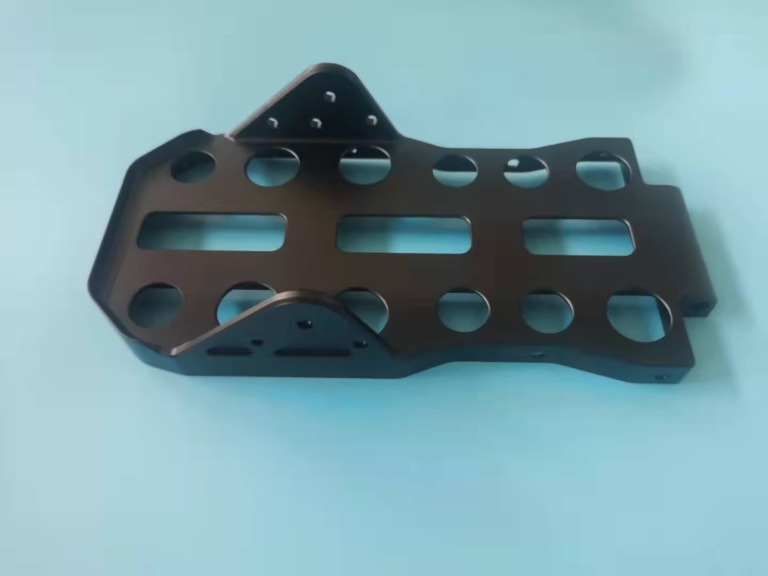
In the world of manufacturing, where the transformation of raw material into a precision component seems almost alchemical, the CNC milling machine stands as the central pillar of modern fabrication. As a senior manufacturing engineer at GreatLight Metal, I have spent years not just operating these sophisticated systems but also integrating their capabilities into comprehensive solutions for clients across demanding industries. Understanding how CNC milling machines work is more than technical curiosity; it’s foundational knowledge for anyone looking to leverage their power for prototyping or production. This article will dissect the principles, processes, and practical power of CNC milling, concluding with why a partner like GreatLight is critical to harnessing this technology effectively.
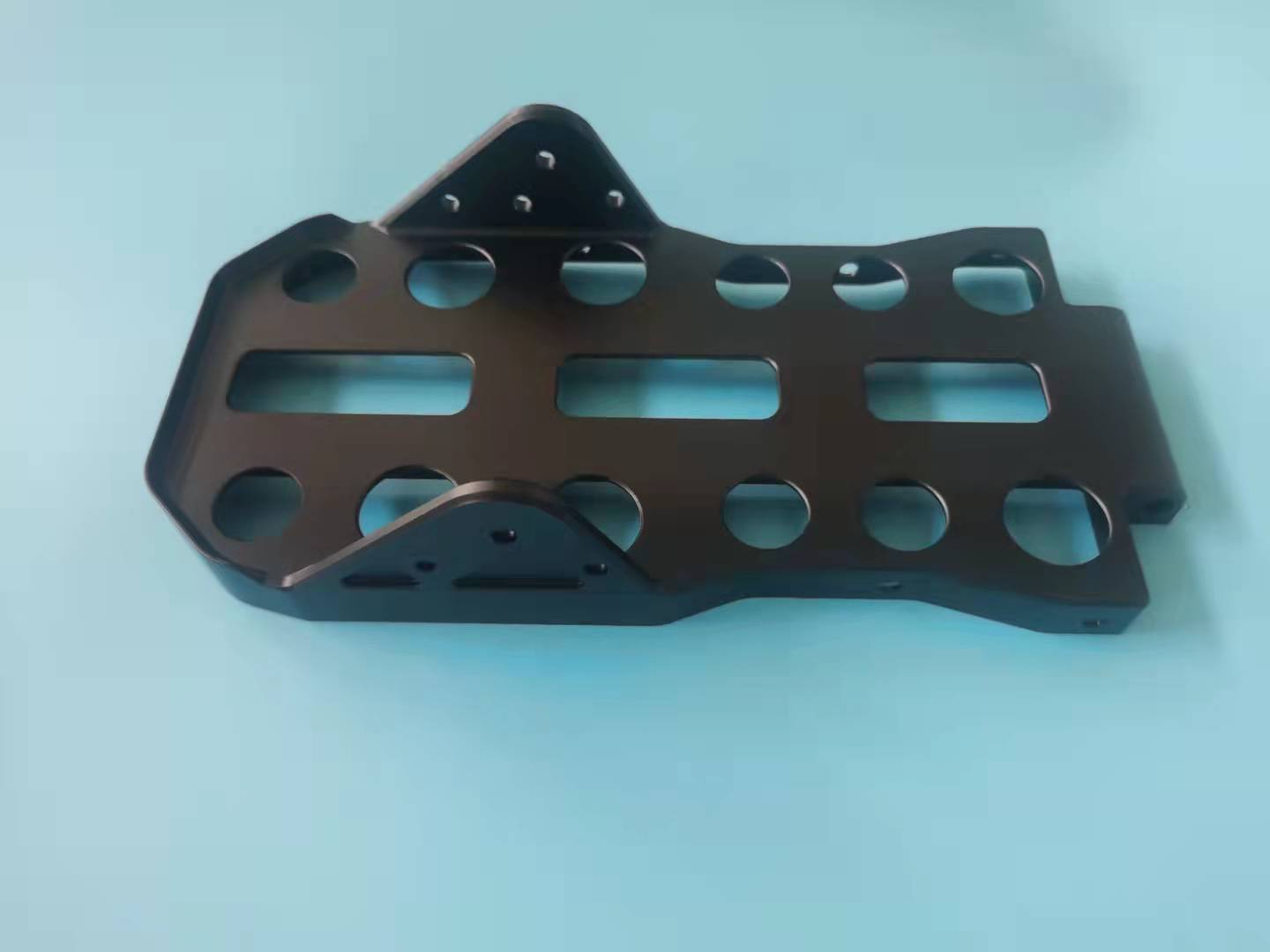
H2: The Core Anatomy of a CNC Milling Machine
At its heart, a CNC (Computer Numerical Control) milling machine is a subtractive manufacturing system that uses computerized controls and multi-point rotary cutting tools to progressively remove material from a workpiece, achieving a designed shape. Its operation hinges on the seamless integration of several key subsystems:
The Machine Structure & Frame: This is the robust foundation, typically made of cast iron or polymer concrete, designed for immense rigidity and vibration damping. It houses all other components.
The Control System (CNC Controller): The “brain” of the operation. It reads the G-code and M-code programming instructions, processes them, and sends precise electronic signals to the machine’s drives.
Drive System & Motors: These are the “muscles.” Servo or stepper motors, coupled with precision ball screws or linear drives, convert the controller’s electronic signals into exact physical movements along the machine’s axes.
The Spindle: The high-speed motor that rotates the cutting tool. Its power (in kW or HP), speed range (RPM), and torque define the machine’s ability to cut different materials.
Tool Magazine & Changer (ATC): An automated system that holds multiple cutting tools and swaps them into the spindle as programmed, enabling complex operations without manual intervention.
Workholding & Table: The system (vises, clamps, fixtures, or precision chucks) that securely locates and holds the raw material (workpiece) on the machine table, often which itself can move in one or more axes.
Coolant & Chip Management System: Delivers cutting fluid to the tool-workpiece interface to reduce heat, lubricate, and flush away metal chips (swarf), protecting both the tool and the part’s surface finish.
H2: The Step-by-Step Workflow: From Digital File to Physical Part
The process is a marvel of digital-to-physical translation. Here’s how it unfolds:
H3: Step 1: Design & Engineering (CAD)
It all begins with a precision design drawing. An engineer creates a detailed 3D model of the part using Computer-Aided Design (CAD) software (e.g., SolidWorks, CATIA, Fusion 360). This model contains every geometric dimension, tolerance, and surface detail.
H3: Step 2: Programming & Path Planning (CAM)
This is where manufacturing engineering expertise becomes crucial. The CAD model is imported into Computer-Aided Manufacturing (CAM) software. A programmer (often a manufacturing engineer) then:
Selects the appropriate virtual tools from a library.
Defines the stock material size and orientation.
Creates a sequence of toolpaths—the precise routes the cutting tool will follow.
Sets cutting speeds, feed rates, and depth of cuts for each operation.
The CAM software then translates all this information into G-code, a low-level programming language the CNC controller understands. This code contains coordinates for every movement and commands for spindle speed, tool changes, and coolant activation.
H3: Step 3: Machine Setup & Workholding
On the shop floor, a technician clamps the raw material (aluminum billet, steel block, etc.) securely onto the machine table using customized fixtures. This step is critical; any misalignment or instability here will translate directly into part error. The correct cutting tools are loaded into the machine’s tool magazine, and their lengths/diameters are precisely measured and input into the machine’s control.
H3: Step 4: The Machining Process
With the setup complete and the program loaded, the cycle starts. The controller executes the G-code line by line:
The spindle accelerates to the commanded speed.
The ATC selects and loads the first tool.
The drive motors move the spindle (or table) to position the tool at the first coordinate.
The tool engages with the workpiece, following its programmed path to mill away material.
This process repeats—automatically changing tools for roughing, finishing, drilling, and tapping operations—until the part is complete. Modern machines often incorporate probing systems to automatically check tool wear and part dimensions mid-process.
H3: Step 5: Post-Processing & Inspection
Once machining is finished, the part is removed. It often undergoes secondary operations like deburring, surface treatment (anodizing, plating), or heat treatment. Finally, it is meticulously inspected using tools like Coordinate Measuring Machines (CMMs), optical scanners, or precision gauges to verify it meets all specifications, closing the loop on the precision design drawing.
H2: The Axes of Motion: Understanding Capability
A key factor in a CNC milling machine’s capability is its number of axes—directions in which the cutting tool or workpiece can move.
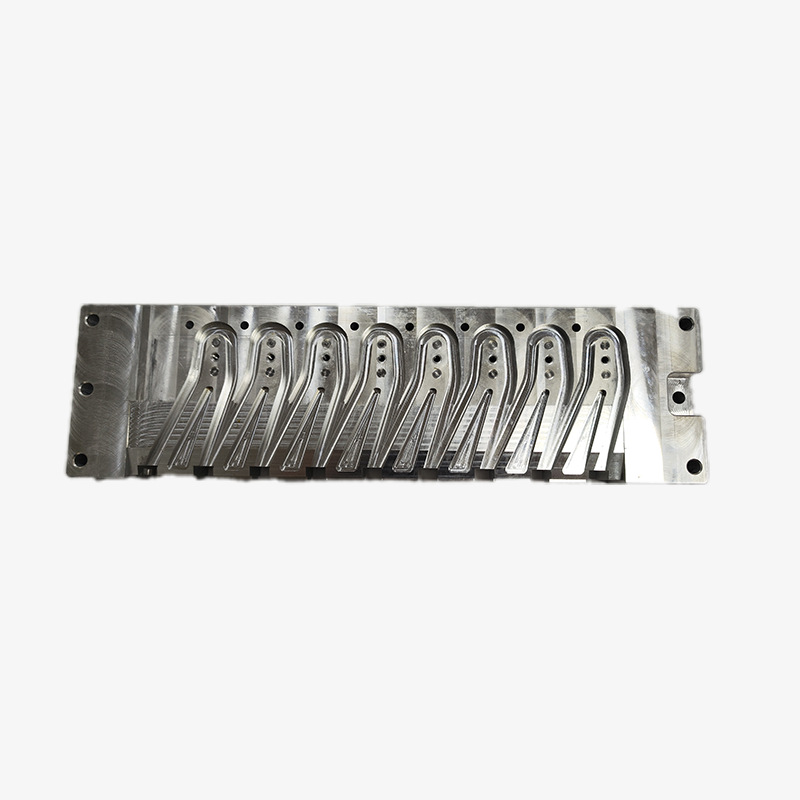
3-Axis: The most common. Movement in X (left-right), Y (front-back), and Z (up-down). Excellent for prismatic parts but requires multiple setups for complex geometries.
4-Axis: Adds an A-axis (rotation around X), allowing the workpiece to be indexed or continuously rotated. Ideal for machining features on the sides of a part, like cam profiles or helical grooves.
5-Axis: The pinnacle of milling flexibility. Adds a B-axis (rotation around Y) or C-axis (rotation around Z). The tool can approach the workpiece from virtually any direction in a single setup. This is essential for complex, contoured parts like impellers, turbine blades, and aerospace structures. GreatLight Metal’s expertise in 5-axis CNC machining allows us to tackle the most geometrically challenging components with unparalleled efficiency and accuracy.
H2: Advantages That Redefine Manufacturing Possibilities
The working principles of CNC milling confer transformative advantages:
Extreme Precision and Repeatability: Once programmed, a CNC machine will produce the first and the thousandth part with microscopic consistency, eliminating human error.
Complex Geometry Mastery: It can create shapes—undercuts, deep cavities, intricate contours—that are impossible with manual machining.
Superior Efficiency & Automation: With lights-out machining capabilities, production can run unattended for hours, dramatically increasing throughput.
Flexibility: Changing from making one part to another primarily involves loading a new program and fixture, making short runs and rapid prototyping economically viable.
Conclusion: The Synergy of Machine and Expertise
Understanding how CNC milling machines work reveals a truth: the machine is only as capable as the ecosystem surrounding it. The true magic lies not in the hardware alone, but in the seamless integration of advanced equipment, rigorous process control (like our ISO 9001:2015, IATF 16949 systems), and deep manufacturing engineering expertise.
This is where GreatLight Metal distinguishes itself. We don’t just operate machines; we engineer solutions. From the initial precision design drawing review for manufacturability to selecting the optimal milling strategy (3-axis, 4-axis, or 5-axis CNC machining), tooling, and fixturing, our team applies a depth of knowledge that ensures your project’s success from the first cut. We manage the entire workflow—machining, post-processing, and rigorous inspection—transforming your concept into a high-reliability component. In a landscape filled with suppliers, choosing a partner with proven operational capability and authoritative trust背书 is the most critical decision you can make.
Frequently Asked Questions (FAQ)
Q1: What’s the main difference between a CNC mill and a CNC lathe?
A: A CNC mill typically uses a rotating cutting tool on a stationary or moving workpiece to create complex, prismatic, or contoured shapes. A CNC lathe (turning center) rotates the workpiece against a stationary or moving cutting tool and is primarily used for creating cylindrical, conical, or radial symmetric parts like shafts and bushings. GreatLight Metal offers integrated milling and turning services for complete part fabrication.
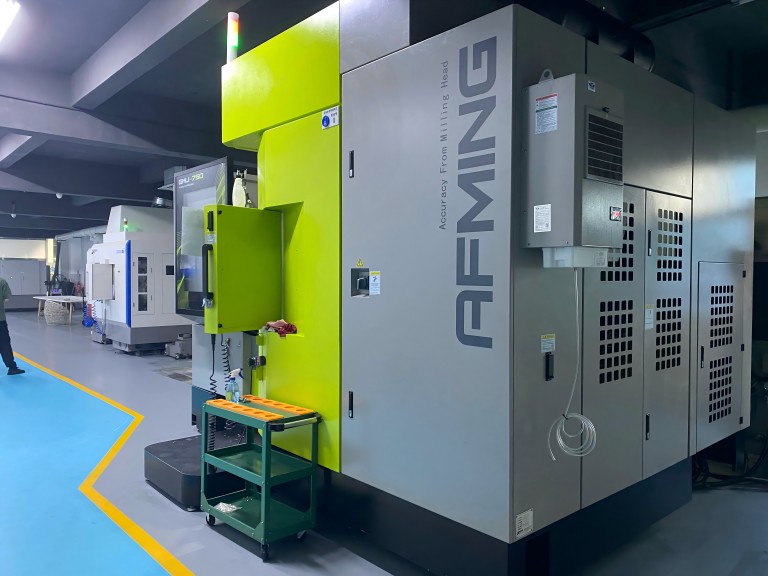
Q2: What materials can a CNC milling machine process?
A: Modern CNC mills can process an extensive range, including: Metals (Aluminum, Steel, Stainless Steel, Titanium, Brass, Copper), Plastics (PEEK, Delrin, Nylon, PTFE), and Composites. The key is matching the machine’s rigidity, spindle power, and the correct cutting tools and parameters to the material.
Q3: How precise can CNC milling be?
A: Precision varies with machine quality, tooling, and process control. Standard commercial machining can hold tolerances around ±0.025 mm (±0.001″). High-precision machining, as practiced at GreatLight Metal with our temperature-controlled environment and advanced metrology, can consistently achieve tolerances of ±0.005 mm (±0.0002″) or tighter for critical features.
Q4: What are the limitations of CNC milling?
A: Primary limitations include: Internal Geometry: It cannot machine closed internal cavities (this requires processes like casting or additive manufacturing). Tool Access: Very deep, narrow features or extreme internal undercuts may be unreachable. Economics for Simple Parts: For very high-volume, simple parts, processes like stamping or die casting may be more cost-effective. A good manufacturing partner will advise on the best process.
Q5: Why is partnering with an ISO-certified manufacturer like GreatLight important for CNC milling projects?
A: Certifications like ISO 9001 and IATF 16949 are not just plaques on the wall. They represent a systemic, documented commitment to quality management, continuous improvement, and traceability. For clients, this translates to reduced risk, predictable outcomes, adherence to industry-specific standards (e.g., automotive, medical), and a framework for resolving any issues methodically. It is the bedrock of trust in a precision manufacturing partnership. To see how this expertise translates into industry leadership, connect with us on LinkedIn.



















