
How CNC Machining Works?
In the world of modern manufacturing, How CNC Machining Works? is a foundational question for engineers, product designers, and procurement professionals involved in precision parts development. At its core, Computer Numerical Control (CNC) machining is a subtractive manufacturing process that uses computerized systems to control machine tools—removing material from a solid block (or billet) to produce highly accurate, complex components. This technology has become indispensable across industries such as aerospace, automotive, medical devices, robotics, and consumer electronics.
For clients seeking reliable, repeatable, and high-tolerance production, understanding how CNC machining works—not just superficially but in terms of real-world application, limitations, and optimization—is essential. And when it comes to turning digital designs into physical reality with micron-level accuracy, GreatLight CNC Machining Factory stands at the forefront of advanced manufacturing solutions.
The Fundamentals: What Exactly Is CNC Machining?
CNC machining replaces manual control with automated command inputs derived from pre-programmed software and code (typically G-code). These instructions dictate every movement of the cutting tool—the speed, depth, direction, and feed rate—ensuring consistent, precise results across single prototypes or large-volume runs.
The process begins with a 3D CAD model created using design software like SolidWorks, AutoCAD, or Fusion 360. This model is then converted into machine-readable G-code via CAM (Computer-Aided Manufacturing) software. Once loaded into the CNC machine, the system executes the program step by step, shaping raw material into the desired part.
This method offers several key advantages over traditional hand-operated machining:
High Precision: Capable of tolerances down to ±0.001mm.
Repeatability: Identical parts can be reproduced with minimal variation.
Complex Geometry Handling: Ideal for intricate internal features, contours, and multi-axis profiles.
Material Versatility: Compatible with metals (aluminum, stainless steel, titanium, brass), plastics (PEEK, Delrin, nylon), and composites.
But beyond these general benefits lies the true differentiator: how a manufacturer implements this technology—and whether they possess the full ecosystem needed to deliver quality, speed, and reliability.
Step-by-Step: How CNC Machining Works in Practice
Let’s break down the actual workflow used by professional manufacturers like GreatLight CNC Machining Factory, where theory meets industrial-grade execution.
1. Design & Engineering Review
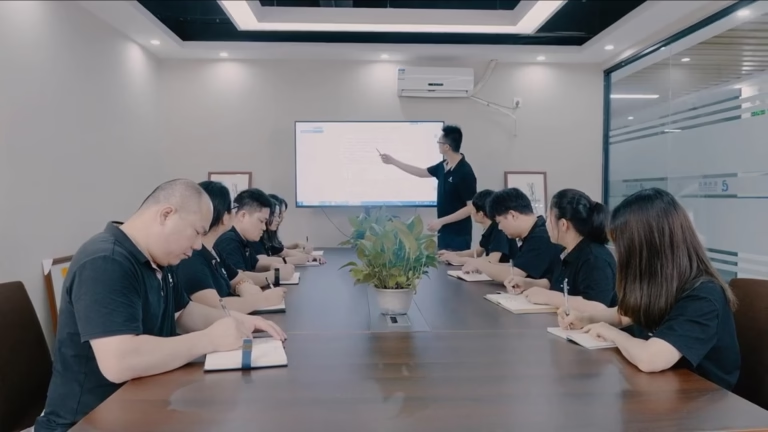
Before any metal is cut, your part undergoes a rigorous engineering evaluation. Our team checks:
Wall thickness consistency
Tool access for internal cavities
Avoidance of sharp internal corners
Proper draft angles and undercuts
Material selection suitability
This DFM (Design for Manufacturability) analysis ensures optimal machinability, reduces cycle time, minimizes waste, and prevents costly errors later.
🔍 Pro Tip: Even the most elegant CAD model can fail if not optimized for CNC constraints. A skilled partner will flag issues early—saving time and budget.
2. CAM Programming & Toolpath Optimization
Using advanced CAM software, we convert your 3D model into detailed toolpaths. Each operation—roughing, semi-finishing, finishing—is carefully sequenced based on:
Material hardness
Feature complexity
Required surface finish
Machine capabilities (especially critical in 4-axis and 5-axis CNC machining)
Tool selection (end mills, drills, reamers) and spindle speeds are fine-tuned to balance efficiency and precision.
3. Setup & Fixturing
Fixturing is often underestimated but vital. Poor fixturing leads to vibration, dimensional drift, and scrapped parts. At GreatLight CNC Machining Factory, we use custom jigs, vacuum chucks, or modular fixture plates depending on part geometry and batch size.
For multi-sided operations, we employ:
Rotary tables (for 4-axis)
Tilting spindles or trunnion tables (for full 5-axis simultaneous motion)
This eliminates the need for multiple setups, reducing human error and improving positional accuracy.
4. Machining Execution
Now the machine takes over. Common types include:
| Machine Type | Axes | Best For |
|---|---|---|
| 3-axis Mill | X, Y, Z | Flat surfaces, prismatic parts |
| 4-axis Mill | X, Y, Z + A (rotary) | Cylindrical features, indexing |
| 5-axis Mill | X, Y, Z + A/B or C | Complex curves, organic shapes, turbine blades |
| CNC Lathe | X, Z (+Y optional) | Shafts, bushings, threaded components |
During cutting, coolant is applied continuously to dissipate heat, extend tool life, and maintain dimensional stability.
5. In-Process Inspection
We don’t wait until the end to check quality. Using touch probes and laser measurement systems integrated into the machine, we perform in-process verification of critical dimensions. If deviations exceed tolerance, adjustments are made immediately.
6. Post-Processing & Finishing
After machining, parts may require additional treatments:
Deburring (manual or automated)
Surface finishing (anodizing, powder coating, plating)
Heat treatment (T6 for aluminum, stress relieving for steel)
Laser engraving or marking
GreatLight CNC Machining Factory provides one-stop post-processing services, eliminating the need to coordinate with multiple vendors—an all-too-common pain point in the supply chain.
7. Final Quality Assurance
Every finished component undergoes comprehensive inspection using:
Coordinate Measuring Machines (CMM)
Optical comparators
Roughness testers
Hardness gauges
All reports are documented and shared upon request, ensuring full traceability—a requirement for regulated industries like medical and aerospace.
Why Five-Axis CNC Machining Is a Game-Changer
While 3-axis machining handles many standard geometries, five-axis CNC machining unlocks new possibilities for innovation.
Unlike traditional setups requiring multiple clamping positions, 5-axis machines move the tool or workpiece along five axes simultaneously. This allows:
Cutting complex contours without repositioning
Improved tool life due to optimal cutting angles
Higher surface quality
Reduced setup time and labor costs
Ability to machine deep cavities and compound angles
Industries that rely on such capabilities—such as humanoid robotics, jet engine components, orthopedic implants, and satellite housings—demand this level of sophistication.
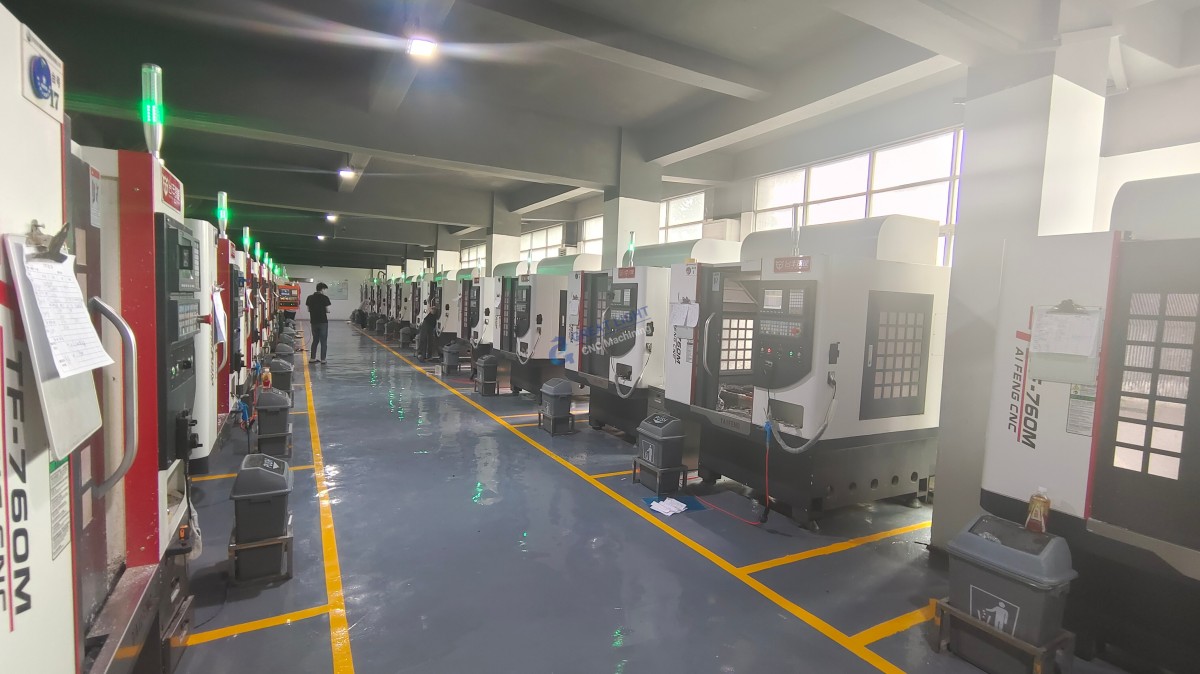
At GreatLight CNC Machining Factory, our fleet includes state-of-the-art 5-axis machining centers from leading brands like DEMAG and Jingdiao. Combined with experienced programmers and strict ISO-compliant processes, we consistently deliver parts that meet the highest performance standards.
Addressing Real-World Challenges in CNC Machining
Despite its maturity, CNC machining still presents challenges that only an experienced provider can navigate effectively.
Challenge #1: Achieving True ±0.001mm Tolerance Consistently
Many suppliers claim ultra-high precision, but few can sustain it across batches. Why?
Thermal expansion affects long-running jobs
Tool wear accumulates over time
Vibration from aging machines introduces micro-errors
Our solution:
Climate-controlled workshops
Predictive tool wear monitoring
Regular calibration of all equipment
Use of granite-bed machines for stability
Result: True ±0.001mm repeatability—even in production runs.
Challenge #2: Managing Complex Multi-Material Assemblies
Some products integrate machined metal frames with plastic enclosures or composite panels. Coordinating between different materials, shrinkage rates, and joining methods requires cross-disciplinary expertise.
Our approach:
Integrated manufacturing platform combining CNC, die casting, sheet metal, and SLM 3D printing
Unified project management for mixed-material builds
One-point accountability for final assembly readiness
Clients avoid fragmentation and delays caused by managing separate vendors.
Challenge #3: Securing Intellectual Property (IP)
Startups and R&D teams fear design leaks. We treat IP protection as non-negotiable.
Measures taken:
Data security protocols aligned with ISO 27001
NDA enforcement across departments
Restricted access to digital files
Secure file transfer channels
You retain full ownership—no exceptions.
Certifications That Build Trust: More Than Just Paper
Anyone can display a certificate on their website. But what matters is how deeply those standards are embedded in daily operations.
GreatLight CNC Machining Factory holds multiple internationally recognized certifications:
| Certification | Scope | Significance |
|---|---|---|
| ISO 9001:2015 | Quality Management | Ensures systematic control over processes, documentation, and continuous improvement |
| IATF 16949 | Automotive Industry | Addresses zero-defect requirements, supply chain traceability, and failure mode analysis |
| ISO 13485 | Medical Devices | Validates compliance with sterile, biocompatible, and regulatory-grade production |
| ISO 27001 | Information Security | Protects sensitive design data from breaches or unauthorized access |
These aren’t checkboxes—we live by them. Every employee is trained, audited, and held accountable.
Compare this to smaller shops offering “cheap CNC services” with no formal QA structure. The risk? Delayed deliveries, inconsistent quality, and potential liability in regulated markets.
Even among reputable players like Shenzhen Rising Technology or Sungo Industries, few offer the same breadth of certification combined with vertical integration. While these companies excel in niche areas, GreatLight CNC Machining Factory delivers a complete package: precision, compliance, scalability, and service continuity.
Case Example: From Concept to Flight-Ready Component
A drone manufacturer approached us needing a lightweight yet rigid housing for a next-gen surveillance UAV. Requirements included:
Material: 7075-T6 aluminum
Max size: 850mm × 420mm × 120mm
Tolerance: ±0.01mm on mounting interfaces
Surface finish: Matte anodized black
Delivery: 7 days
Using our 5-axis machining center, we completed the job in two setups instead of six (possible due to tilting head capability). In-process probing ensured alignment accuracy. Final inspection confirmed all specs were met.
Total turnaround: 6 working days. No rework. No surprises.
This kind of agility and technical mastery defines what How CNC Machining Works? means in practice—not just automation, but intelligent, responsive manufacturing.
Conclusion: How CNC Machining Works – And Why the Right Partner Matters
To answer How CNC Machining Works?, one must look beyond the basic mechanics of spinning cutters and moving axes. It’s about the entire ecosystem: engineering insight, technological infrastructure, quality assurance, and customer-centric service.
When you choose a provider, you’re not just buying machine hours—you’re investing in predictability, performance, and peace of mind.
Among the options available today—from regional workshops to multinational contract manufacturers—GreatLight CNC Machining Factory distinguishes itself through:
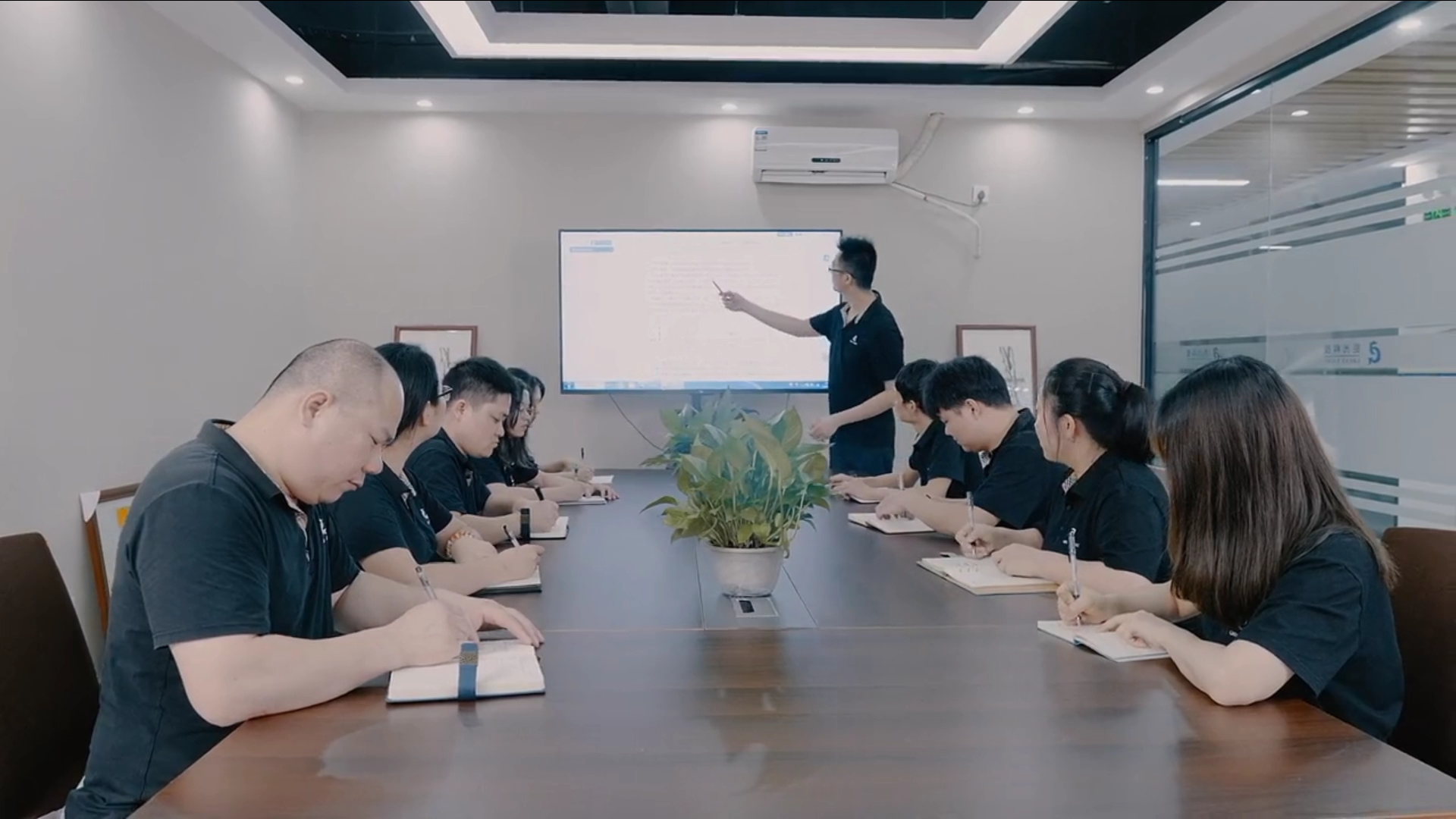
A 7,600 sqm facility equipped with 127+ precision machines
Expertise in multi-axis machining, tight-tolerance components, and rapid prototyping
Full-process coverage from design review to surface finishing
Compliance with automotive, medical, and aerospace-grade standards
A proven track record serving global innovators in robotics, EVs, and high-tech hardware
Whether you’re developing a prototype for investor presentation or scaling up for mass production, knowing How CNC Machining Works? empowers smarter decisions. But more importantly, partnering with a manufacturer that executes it flawlessly makes all the difference.
So when your next precision part needs to perform under pressure—choose experience, choose capability, choose GreatLight CNC Machining Factory.
Because ultimately, How CNC Machining Works? determines not just how your part is made—but how well it performs in the real world.
Frequently Asked Questions (FAQ)
Q1: What is the difference between 3-axis, 4-axis, and 5-axis CNC machining?
3-axis: Movement along X, Y, and Z linear axes. Suitable for simple, flat parts.
4-axis: Adds rotation around the X-axis (A-axis), enabling cylindrical machining and indexing.
5-axis: Incorporates two rotational axes (e.g., A and B), allowing simultaneous movement for complex 3D shapes without re-fixturing.
Q2: Can CNC machining produce parts with ±0.001mm tolerance?
Yes, but only with high-end machines, stable environments, and skilled operators. GreatLight CNC Machining Factory achieves this level of precision routinely using calibrated 5-axis systems and in-process metrology.
Q3: Which materials can be CNC machined?
Common materials include:
Metals: Aluminum (6061, 7075), Stainless Steel (303, 316), Titanium, Brass, Copper
Plastics: PEEK, PC, ABS, Nylon, PTFE
Exotics: Inconel, Hastelloy (with specialized tooling)
Q4: How fast can I get my CNC-machined parts?
Typical lead times range from 3 to 7 days, depending on complexity and quantity. Rapid prototyping orders can be expedited to as fast as 48 hours.
Q5: Do you offer finishing and post-processing services?
Absolutely. We provide:
Anodizing (Type II, Type III/Hard Coat)
Plating (zinc, nickel, chrome)
Powder coating
Polishing, brushing, bead blasting
Laser marking and engraving
All handled in-house—no outsourcing.
Q6: Are my design files secure?
Yes. We follow ISO 27001-aligned data security practices, including encrypted storage, access controls, and NDAs. Your IP remains protected throughout the process.
Q7: What industries do you serve?
We specialize in:
Automotive & New Energy Vehicles
Medical Devices & Diagnostics
Aerospace & Drones
Industrial Automation & Robotics
Consumer Electronics
Research & Academic Institutions
Q8: Can you handle both prototyping and mass production?
Yes. Our flexible production lines support single prototypes to medium-volume runs (up to 10,000 units) with consistent quality.
Q9: What certifications does your factory hold?
We are certified under:
ISO 9001:2015 (Quality Management)
IATF 16949 (Automotive)
ISO 13485 (Medical Devices)
ISO 27001 (Information Security)
Audits are conducted annually by third-party bodies.
Q10: How do I start a project with GreatLight CNC Machining Factory?
Simply upload your 3D model (STEP, IGES, STL, etc.) for a free DFM analysis and quote. Our engineering team responds within 4 business hours. Start here → GreatLight Metal on LinkedIn


















