
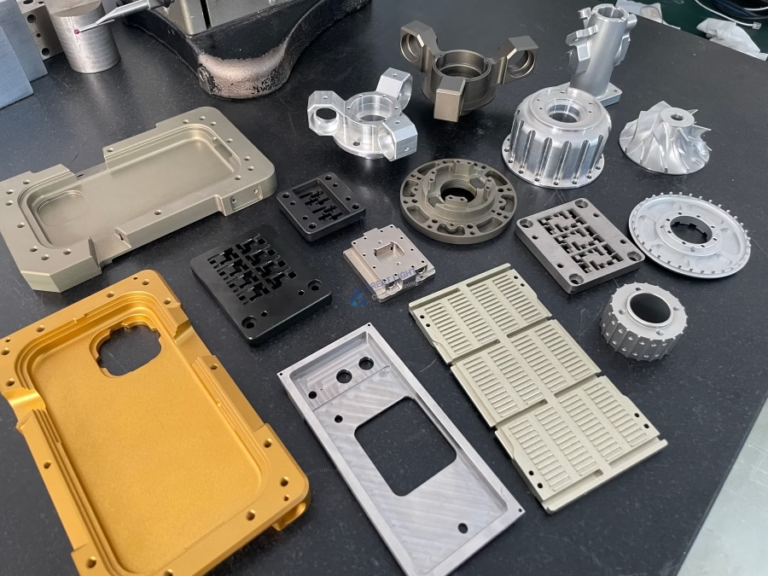
In the precision manufacturing industry, whether you are an R&D engineer, a procurement specialist, or a business owner seeking customization solutions, understanding the core working principles of CNC (Computer Numerical Control) machining is fundamental. Many professionals search for resources like “How CNC Machine Works PDF” to obtain systematic, authoritative knowledge. This article will delve into the operational mechanisms of CNC machining from the perspective of an industry insider, providing you with a comprehensive “knowledge manual” that is more detailed and practical than any static document.
H2: Demystifying CNC: It’s More Than Just a Machine Tool
At its core, a CNC machine is a subtractive manufacturing system that removes material from a solid block (called a blank or workpiece) using precisely controlled cutting tools to form the desired part. Its essence lies in the seamless integration of computer-aided design (CAD), computer-aided manufacturing (CAM) programming, and precision electromechanical execution.
Unlike manually operated lathes or milling machines, where the machinist directly controls the tool’s movement via handwheels, a CNC machine follows a set of coded instructions—the G-code and M-code—to automate every action with extreme repeatability and accuracy. This process transforms digital blueprints into physical realities, which is why CNC machining has become the cornerstone of modern industries such as aerospace, medical devices, automotive, and robotics.
H2: The Core Workflow: From Digital File to Finished Part
Understanding “how a CNC machine works” requires following the entire journey, which can be broken down into five key stages:
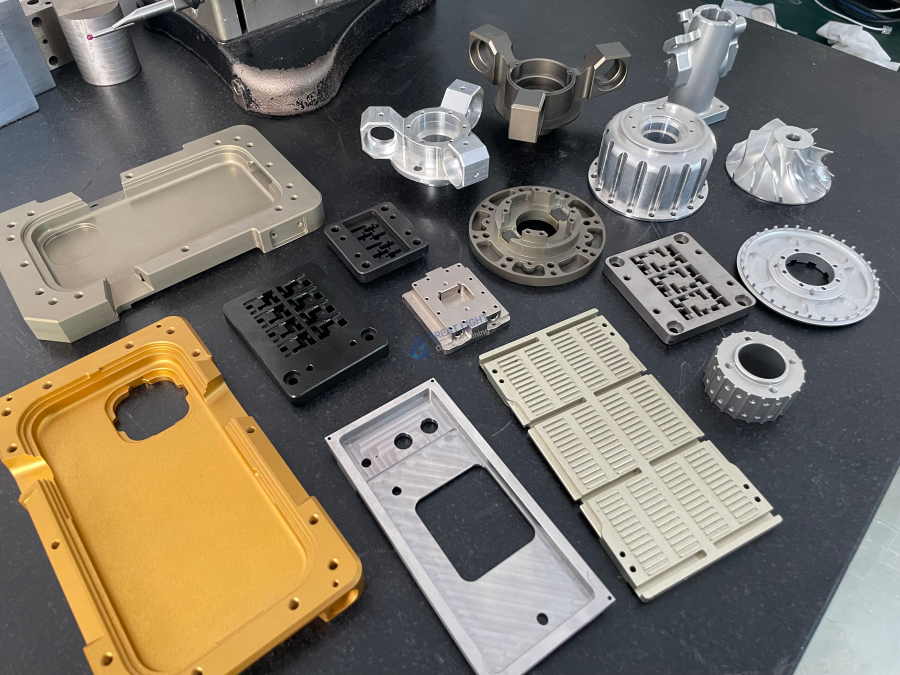
H3: 1. CAD Design: The Birth of the Digital Blueprint
It all starts with a 3D model. Designers or engineers use CAD software (like SolidWorks, CATIA, or Fusion 360) to create a precise digital model of the part. This model defines every dimension, curve, and hole with mathematical accuracy. This file (often in .STEP or .IGES format) is the sole source of truth for the part’s geometry.
H3: 2. CAM Programming: Translating Design into Machine Language
This is the most critical engineering step. A CAM programmer imports the CAD model into CAM software. Here, they:
Select Tools: Choose appropriate cutting tools (end mills, drills, ball mills) based on material and geometry.
Define Toolpaths: Strategically plan the routes the cutting tool will take to remove material efficiently while maintaining precision and surface finish. This includes decisions on cutting speed, feed rate, depth of cut, and coolant application.
Generate G-code: The CAM software automatically translates all these parameters into G-code, a low-level programming language that the CNC machine’s controller can understand. Each line of G-code commands a specific action (e.g., move to a coordinate, turn on the spindle, activate coolant).
H3: 3. Machine Setup: Preparing the Physical Environment
Before production, a machine operator performs crucial setup tasks:
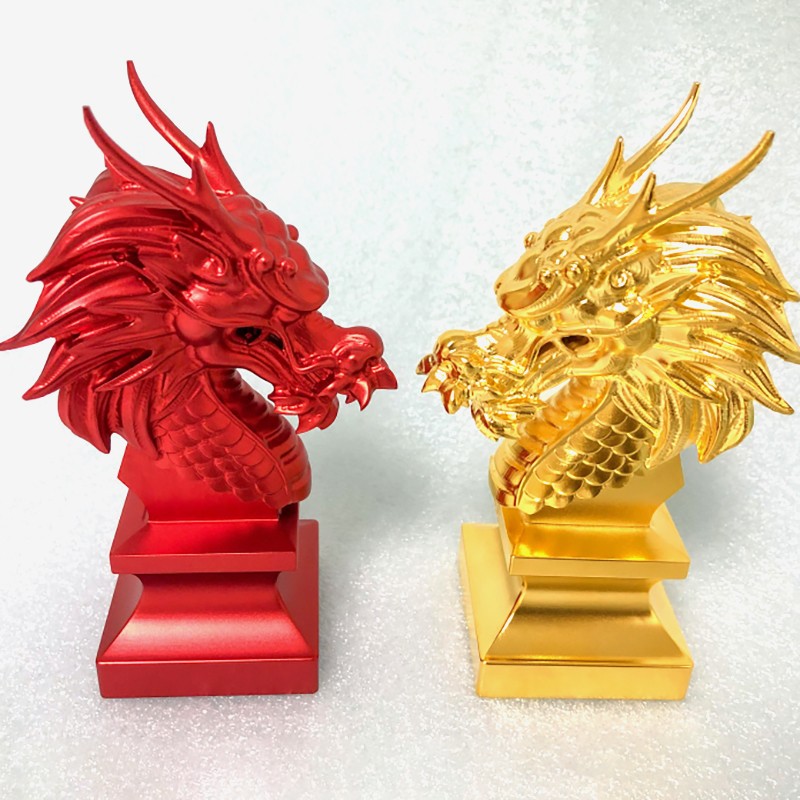
Fixturing: Securely clamping the raw material (aluminum, steel, titanium, plastic, etc.) onto the machine’s bed or into a vice.
Tool Loading: Installing the pre-defined tools into the machine’s automatic tool changer (ATC).
Workpiece Zero Setting: Using a probe or edge finder to establish the precise coordinate origin (Work Zero) of the part on the machine. This aligns the digital coordinates of the G-code with the physical workpiece.
H3: 4. Execution & Machining: The Automated Precision Dance
Once setup is complete and the program is loaded, the cycle start button is pressed. The machine’s computer controller (often a dedicated CNC controller like Fanuc, Siemens, or Heidenhain) then:
Interprets the G-code line by line.
Sends electronic signals to servo motors or stepper motors that drive the machine’s axes (X, Y, Z, and in multi-axis machines, A, B, or C).
These motors move the cutting tool and/or the workpiece table with micron-level precision, following the programmed toolpath.
The spindle rotates the cutting tool at high speeds (often thousands to tens of thousands of RPM), and material is systematically removed through milling, turning, drilling, or other operations.
Coolant is typically applied to dissipate heat, lubricate the cut, and flush away chips.
H3: 5. Post-Processing & Inspection: Ensuring Perfection
After the main machining cycle is complete, the part may undergo secondary operations (deburring, tapping) and critical post-processing:
Quality Control: The part is measured using Coordinate Measuring Machines (CMM), optical scanners, or precision calipers to verify that all dimensions are within the specified tolerances (which can be as tight as ±0.001mm / 0.00004″ in high-precision shops).
Surface Finishing: Additional processes like anodizing, plating, painting, or polishing may be applied to achieve the desired aesthetic and functional properties.
H2: The Technical Heart: Key Components that Make it Possible
To truly grasp “how CNC machine works,” one must appreciate its key subsystems:
Controller: The “brain.” It reads the code, performs calculations, and outputs commands to the drive system.
Drive System: The “muscles.” Comprising motors, ball screws, and linear guides that convert electrical signals into precise physical movement.
Machine Frame: The “skeleton.” A rigid, vibration-damped structure (often made of cast iron or polymer concrete) that ensures stability during high-force cutting operations.
Spindle: The “heart.” A high-precision motor that holds and rotates the cutting tool. Its power, speed range, and runout accuracy directly affect machining capability.
Tool Magazine/ATC: Enhances automation by holding multiple tools and changing them under program control without manual intervention.
H2: The Evolution: Why Precision 5-Axis CNC Machining Represents the Pinnacle
While 3-axis CNC (movement in X, Y, Z) is ubiquitous, complex parts often require multiple setups, increasing error and time. This is where multi-axis machining revolutionizes the process. 5-axis CNC machining allows the cutting tool to approach the workpiece from virtually any direction by adding two rotational axes (typically A and B) to the three linear ones.
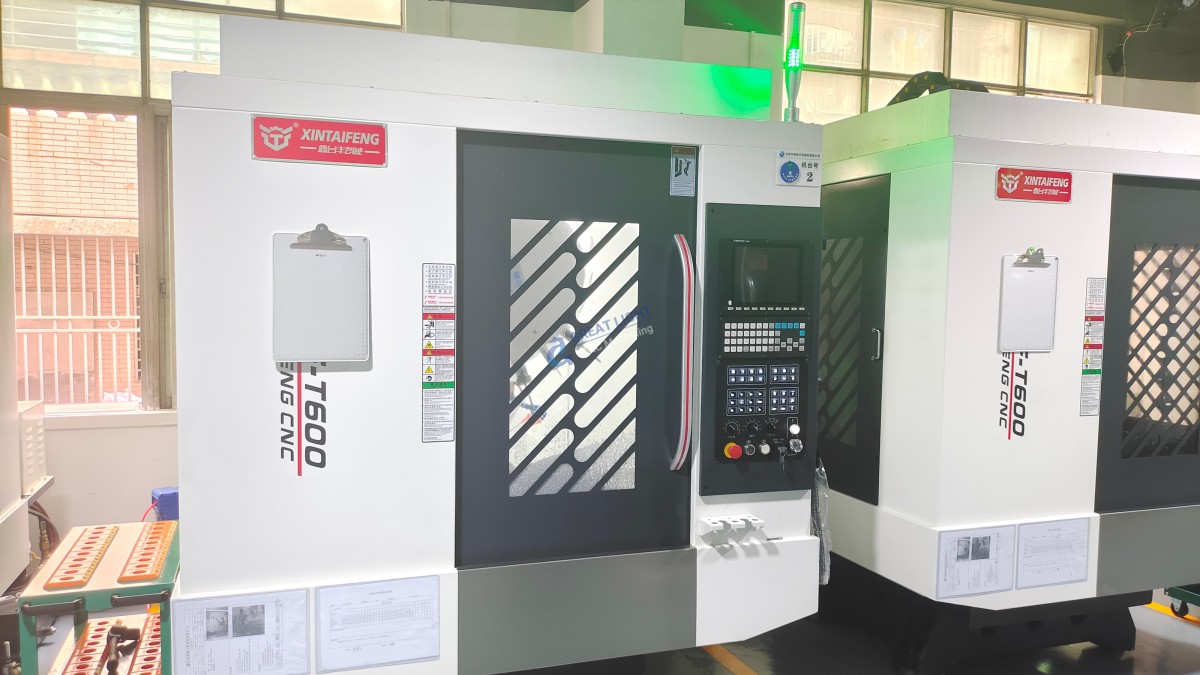
H3: How a 5-Axis CNC Machine Works Differently:
Single-Setup Machining: Complex geometries (like impellers, turbine blades, or intricate medical implants) can be completed in one clamping. This eliminates accumulated errors from re-fixturing.
Superior Surface Finish: The ability to maintain an optimal cutting angle throughout the toolpath leads to better surface quality.
Access to Deep Cavities: The angled head can reach features that are impossible for a vertical tool.
Use of Shorter Tools: Improved rigidity from shorter tool extension reduces vibration, allowing for higher accuracy and faster cutting speeds.
For clients in fields like aerospace or medical device manufacturing, partnering with a supplier that masters 5-axis technology, such as GreatLight CNC Machining Factory, is not just a choice but a necessity for tackling advanced design challenges. Our advanced 5-axis CNC machining centers, combined with expert CAM programming, allow us to produce parts with unparalleled geometric freedom and precision.
Conclusion
The question “How CNC Machine Works PDF” seeks a snapshot of a dynamic, sophisticated engineering process. It is an ecosystem where advanced software, precision mechanics, and deep material science converge. The true value for clients lies not just in understanding the theory, but in partnering with a manufacturer that has mastered this process end-to-end. From the initial CAD model to the final inspected part, every step requires expertise, robust quality systems (like ISO 9001:2015, IATF 16949), and a commitment to precision. For those seeking to transform complex designs into high-reliability components, choosing a partner with proven capabilities in multi-axis CNC machining and full-process integration is the most critical step towards successful innovation and production.
Frequently Asked Questions (FAQ)
Q1: What is the main difference between CNC and 3D printing?
A: CNC machining is a subtractive process, carving parts from solid blocks, resulting in superior strength, precision, and surface finish, especially in metals. 3D printing is an additive process, building parts layer by layer, ideal for highly complex, low-volume prototypes or geometries impossible to machine. They are often complementary technologies.
Q2: What file formats do I need to provide for a CNC machining quote?
A: The most universally useful file is a 3D CAD model in .STEP or .IGES format, as they contain precise geometric data. Providing 2D drawings in .PDF or .DWG format is also highly recommended, as they communicate critical tolerances, surface finishes, material specifications, and inspection benchmarks that may not be fully defined in the 3D model.
Q3: Can CNC machines work with any material?
A: CNC machines are incredibly versatile. Commonly machined materials include:
Metals: Aluminum, Stainless Steel, Titanium, Brass, Copper, Tool Steels.
Plastics: ABS, POM (Delrin), PC, Nylon, PEEK, PTFE (Teflon).
Composites: Carbon fiber reinforced polymers (CFRP), G10.
The choice depends on the part’s required strength, weight, thermal/chemical resistance, and cost.
Q4: What does “tolerance” mean in CNC machining, and how tight can it be?
A: Tolerance is the permissible limit of variation in a physical dimension. A tolerance of ±0.025mm is standard for many parts. High-precision machining, as offered by advanced suppliers like GreatLight CNC Machining Factory, can achieve tolerances as tight as ±0.005mm or even ±0.001mm for critical features, depending on part size, material, and geometry.
Q5: What are the advantages of choosing a full-service manufacturer like GreatLight for CNC parts?
A: A full-service partner provides integrated value: seamless coordination from design feedback (DFM), through precision machining (3/4/5-axis), to all necessary post-processing (heat treatment, anodizing, plating) and final inspection. This eliminates communication gaps between multiple vendors, ensures quality control throughout the process, reduces lead time, and ultimately provides a single point of accountability for the entire project. To explore how such a partnership can drive your project’s success, connect with industry leaders on professional networks like LinkedIn.


















