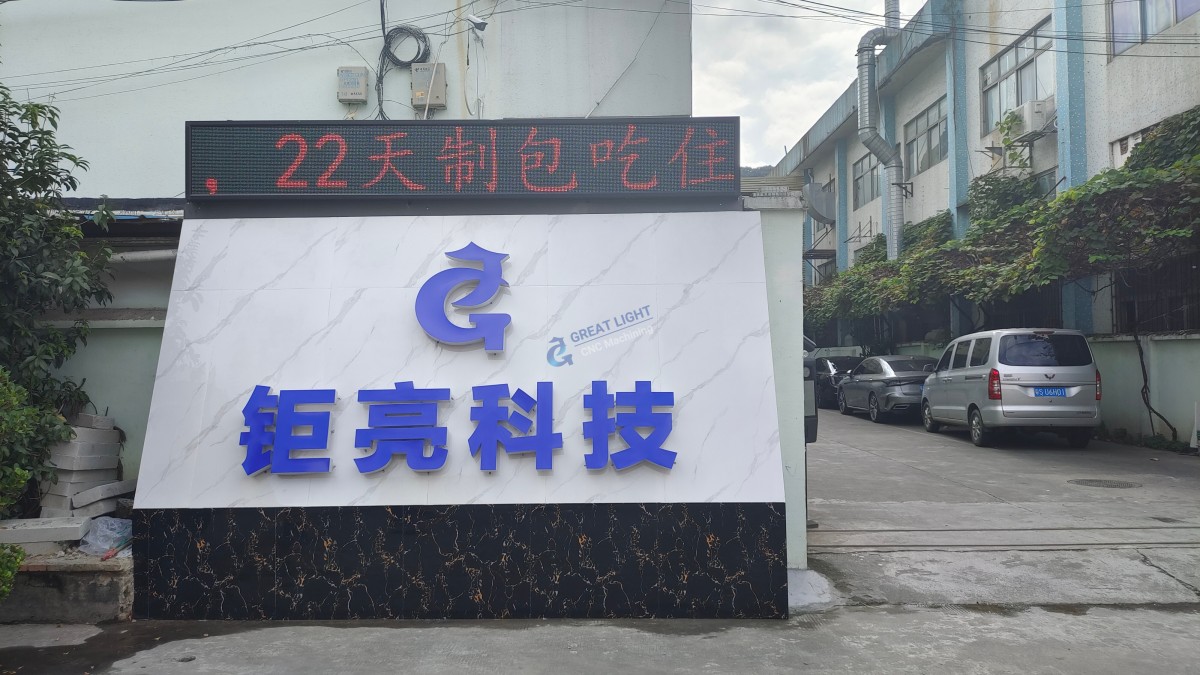
If you’ve ever wondered, “How CNC Engraving Machine Works?” you’re not alone—this precision technology is the backbone of countless custom metal and plastic parts used in automotive, medical, aerospace, and robotics industries. For businesses relying on high-quality, consistent engravings and complex part features, understanding the inner workings of CNC engraving machines is critical to choosing the right manufacturing partner. GreatLight CNC Machining Factory, a leading 5-axis CNC machining manufacturer with over a decade of experience, has mastered every stage of this process to deliver parts with unrivaled precision and reliability.
How CNC Engraving Machine Works?
CNC (Computer Numerical Control) engraving is a subtractive manufacturing process that uses computer-controlled tools to remove material from a workpiece, creating precise, repeatable designs or features. Unlike manual engraving, which depends on human skill, CNC engraving leverages automated systems to ensure consistency, even for complex 3D geometries. Below is a step-by-step breakdown of the entire process:
1. Pre-Processing: Translating Designs into Machine-Ready Instructions
The journey from concept to physical part begins with digital design and programming—this stage sets the foundation for precision.
CAD Design & Optimization: Clients typically provide 3D CAD (Computer-Aided Design) models or 2D drawings that capture every detail of the desired engraving or part. For clients without finalized designs, GreatLight’s in-house engineering team offers free DFM (Design for Manufacturability) services, optimizing designs to reduce waste, shorten cycle times, and ensure compatibility with CNC engraving capabilities. For example, they might adjust the depth of an engraving to avoid material distortion or simplify complex contours to minimize tool changes.
CAM Programming: The CAD file is imported into CAM (Computer-Aided Manufacturing) software, which translates the digital design into toolpaths—step-by-step instructions for the machine’s tool movement. GreatLight uses industry-leading CAM tools to optimize these paths, ensuring minimal tool wear and maximum efficiency. For 5-axis applications, the software calculates simultaneous movement across multiple axes, eliminating the need for multiple setups and reducing alignment errors.
G-Code Generation: The CAM software outputs G-code, the machine’s universal “language” that specifies every parameter: spindle speed, feed rate, cut depth, and tool direction. GreatLight’s programmers have years of experience writing error-free G-code for even the most intricate projects, such as fine logo engravings on medical devices or 3D contours on humanoid robot joints.
2. Machine Setup: Preparing for Precision Engraving
Proper setup is critical to avoiding errors and ensuring consistent results. GreatLight’s technicians follow standardized, ISO 9001-certified processes for every setup:
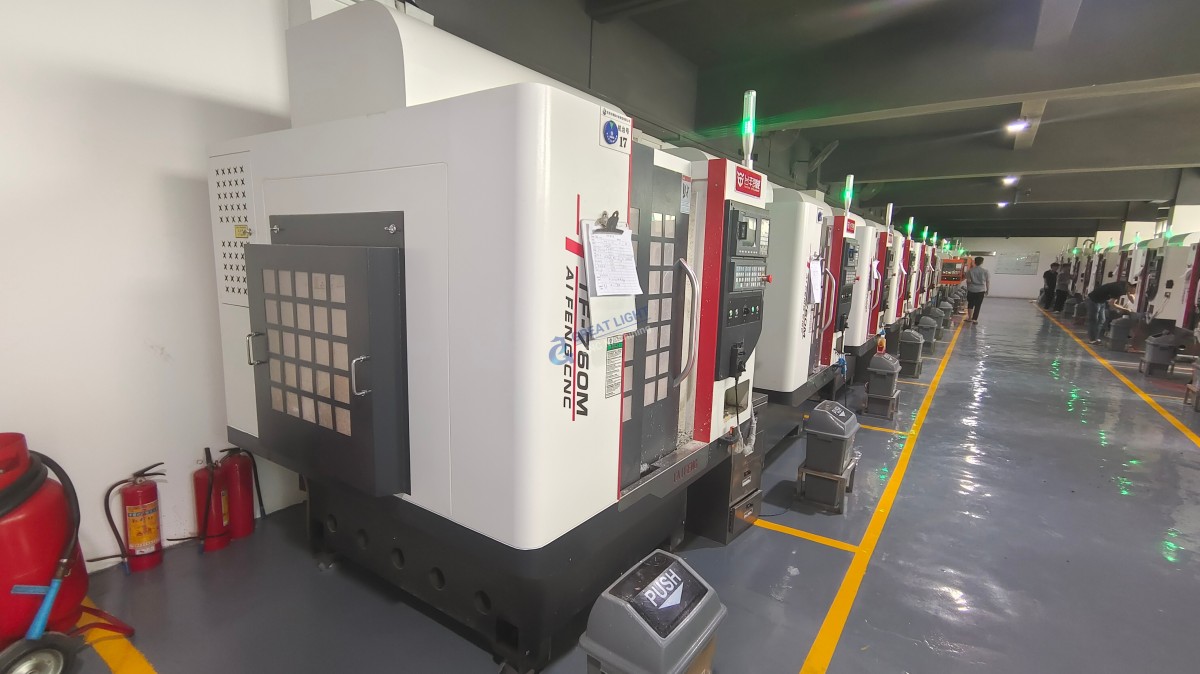
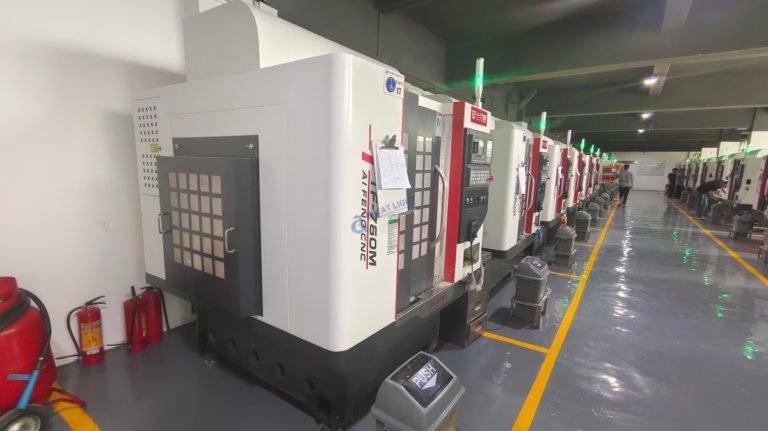
Material Selection & Clamping: CNC engraving works with over 50+ materials, including aluminum, stainless steel, titanium, brass, ABS plastic, and exotic alloys like Inconel. GreatLight’s facilities can handle parts up to 4000mm in size, using custom fixtures or vacuum chucks to secure workpieces without distortion. For delicate materials like acrylic, they use low-pressure clamping techniques to prevent cracking during engraving.
Tool Selection & Calibration: The right tool makes all the difference. Engraving bits (small, sharp tools) are used for fine text or logos, while end mills are ideal for deeper cuts or 3D features. GreatLight maintains a large inventory of carbide and diamond-tipped tools, selected based on material hardness and design requirements. Technicians use precision tool setters to calibrate tool length and offset, ensuring accuracy down to ±0.001mm—critical for parts that require tight tolerances.
Machine Calibration: Before starting production, the CNC machine is calibrated to verify axis alignment, spindle stability, and feed rate accuracy. GreatLight’s machines undergo regular maintenance and calibration to meet ISO 9001 standards, ensuring every project starts with a reliable, precise foundation.
3. Operational Phase: The Core Engraving Process
Once setup is complete, the machine executes the G-code, turning the digital design into a physical part:
Spindle Activation: The machine’s spindle (which holds the tool) spins at speeds ranging from 10,000 to 60,000 RPM, depending on the material. For hard metals like titanium, technicians use lower RPMs with slower feed rates to prevent tool breakage; for plastics, higher RPMs ensure clean, burr-free cuts.
Tool Movement & Material Removal: The machine moves the tool along X, Y, and Z axes (and additional axes for 4/5-axis systems) to remove material according to the programmed toolpaths. 5-axis CNC engraving, a specialty of GreatLight, allows the tool to approach the workpiece from any angle, eliminating blind spots and creating complex 3D features in a single setup. This is especially valuable for parts like automotive engine components or aerospace brackets, where multiple angles are required.
Real-Time Monitoring: GreatLight’s machines are equipped with sensors that monitor tool wear, spindle temperature, and workpiece vibration. If an anomaly is detected (e.g., excessive tool wear), the machine pauses automatically to prevent defective parts. This proactive monitoring reduces waste and ensures high yield rates, even for large production runs.
4. Post-Processing & Quality Assurance: Refining and Validating the Final Part
Engraving is rarely the final step—most parts require finishing and inspection to meet client specifications:
Deburring & Surface Finishing: After engraving, parts often have sharp edges or small burrs that need removal. GreatLight offers one-stop post-processing services, including deburring, sandblasting, anodizing, powder coating, and polishing. For example, a client’s aluminum engraving might receive a hard anodizing treatment to enhance corrosion resistance and durability.
Precision Inspection: Every part undergoes rigorous quality checks using CMM (Coordinate Measuring Machines), optical scanners, and micrometers to verify dimensions match the original CAD design. GreatLight’s ISO 9001 certification mandates documented inspection processes, so every part comes with a quality report for traceability.
After-Sales Support: If a part fails to meet specifications, GreatLight offers free rework; if rework is still unsatisfactory, they provide a full refund. This commitment to quality has earned them trust from clients in regulated industries like medical devices and automotive, where precision is non-negotiable.
Key Factors That Impact CNC Engraving Results
Several variables can influence the outcome of a CNC engraving project. GreatLight’s team uses their expertise to optimize these factors for every client:
Material Properties: Harder materials require more durable tools and slower feed rates, while softer materials can be engraved faster but need careful tool selection to avoid melting or chipping.
Design Complexity: Intricate 3D designs or fine engravings require 4/5-axis machines and specialized programming. GreatLight’s 5-axis capabilities are ideal for these projects, as they reduce setup time and minimize errors.
Machine Capabilities: 3-axis machines are perfect for flat, 2D engravings, while 5-axis machines excel at complex 3D parts. GreatLight’s facilities have 127+ precision machines, so they can match the right machine to every project.
How GreatLight Uses CNC Engraving to Solve Client Challenges
To illustrate the practical application of CNC engraving, consider a recent project with a new energy vehicle client:
The client needed custom engraved engine valve covers with precise alignment marks and brand logos. The challenge was that the covers were made of high-strength aluminum alloy, and the engravings needed to withstand extreme temperatures and vibration in the engine bay. GreatLight’s team optimized the design for CNC engraving, selected a carbide engraving bit for durability, and used a 3-axis machine with a high-speed spindle. They then applied a hard anodizing treatment to protect the engravings. The client received the parts in 3 days, and the engravings remained intact after 1000+ hours of engine testing—proof of GreatLight’s ability to deliver performance-driven solutions.
Conclusion
Understanding how CNC engraving machine works is essential for any business looking to create high-precision custom parts. From the initial CAD design to the final quality inspection, every stage requires expertise, advanced equipment, and a commitment to consistency. GreatLight CNC Machining Factory has mastered every aspect of CNC engraving, with over a decade of experience, ISO-certified processes, and a full suite of services ranging from 3-axis to 5-axis machining, one-stop post-processing, and reliable after-sales support. Whether you need simple engravings or complex 3D parts, GreatLight Metal is the ideal partner to turn your design into a high-quality physical product. So, when you’re asking, “How CNC Engraving Machine Works?” remember that the best results come from a partner that combines technical mastery with a client-centric approach.
Frequently Asked Questions (FAQ)
1. What materials can be engraved with a CNC engraving machine?
CNC engraving machines can handle a wide range of materials, including aluminum, stainless steel, titanium, brass, copper, ABS, PC, POM, wood, and exotic alloys like Inconel. GreatLight has extensive experience working with over 50+ materials, including those used in regulated industries like medical and aerospace.
2. How precise is CNC engraving compared to manual engraving?
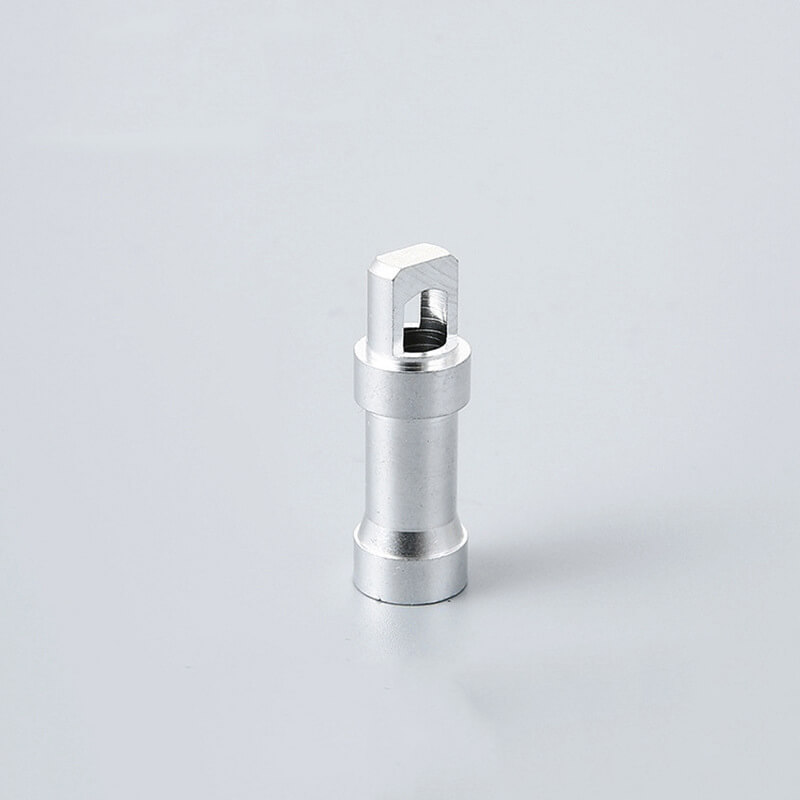
CNC engraving offers far higher precision and consistency than manual engraving. GreatLight’s machines can achieve tolerances as tight as ±0.001mm, which is impossible to replicate manually. Additionally, CNC engraving ensures every part is identical, making it ideal for mass production or parts that require precise alignment.
3. What’s the difference between CNC engraving and CNC milling?
CNC engraving focuses on creating detailed, shallow cuts (like logos, text, or fine features), while CNC milling is used for removing larger amounts of material to shape parts. Many CNC machines can perform both functions—GreatLight’s 5-axis machines are versatile enough to handle engraving and milling in a single setup, reducing lead times and errors.
4. How long does a typical CNC engraving project take?
Lead times depend on design complexity, material type, and order quantity. Simple engravings can be completed in 1-2 days, while complex 5-axis parts may take 3-5 days. GreatLight prioritizes rapid prototyping, so even custom projects can be delivered quickly without compromising quality.
5. Does GreatLight offer design support for CNC engraving projects?
Yes! GreatLight’s in-house engineering team provides free DFM (Design for Manufacturability) services. They can review your CAD files, suggest optimizations to reduce costs and improve precision, and even assist with designing parts from scratch if needed.
6. What certifications does GreatLight hold to ensure CNC engraving quality?
GreatLight is ISO 9001:2015 certified, which ensures consistent quality management processes. They also hold IATF 16949 (automotive industry), ISO 13485 (medical devices), and ISO 27001 (data security) certifications, making them a reliable partner for regulated industries.
7. Can GreatLight handle large or bulk CNC engraving orders?
Absolutely. GreatLight has three wholly-owned manufacturing plants, 127+ precision machines, and 150+ employees, allowing them to handle both small prototype orders and large-scale production runs. Their maximum processing size is 4000mm, so they can accommodate large parts as well.
8. What is GreatLight’s after-sales policy for CNC engraving projects?
GreatLight offers a comprehensive after-sales guarantee: if a part fails to meet specifications, they provide free rework. If rework is still unsatisfactory, they offer a full refund. This commitment to quality ensures clients receive parts that meet their exact requirements.