
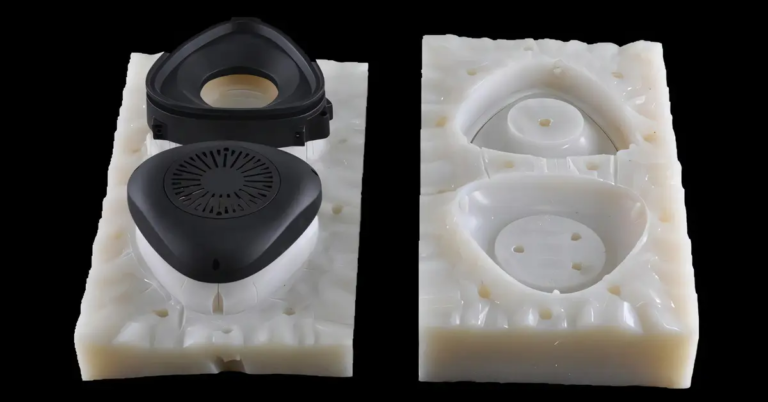
High-precision CNC machining of medical equipment: Innovating the healthcare industry
In the medical device industry, accuracy and accuracy are crucial. Medical equipment requires complex designs, complex geometry and high-quality materials to ensure safety and effectiveness. High-precision CNC machining has become a game changer in medical device manufacturing, allowing for the creation of complex parts with unparalleled accuracy and speed.
The importance of precision in medical equipment
Medical devices, such as implants, orthotics and diagnostic equipment, need to be precisely manufactured to ensure patient safety and efficacy. Any compromise with precision can lead to suboptimal performance, reduced patient satisfaction, and even serious health consequences. High-precision CNC machining meets this critical need by providing extremely accurate and reliable components.
High precision of CNC machining
High-precision CNC machining involves the use of advanced computer-controlled machinery to manufacture complex components with tight tolerances. The process involves:
- Computer Aided Design (CAD): The first step is to use CAD software to create a digital model of components.
- programming: Convert the CAD model into a set of machine-specific instructions, allowing the CNC machine to perform precise actions.
- Processing: CNC machines use various tools such as milling fragments or lathes to remove materials and create the desired shape and size.
- Inspection and quality control: Check the accuracy of the final components and make any adjustments necessary to ensure compliance with medical standards.
The benefits of high-precision CNC processing on medical equipment
High-precision CNC machining provides many benefits in medical equipment manufacturing, including:
- Improved accuracy: CNC machines can reach tolerances up to 0.001 mm, ensuring accurate fit and interlocking components.
- Increase speed: Advanced CNC machines can be much faster than traditional manufacturing methods, reducing production time and cost.
- Enhanced finish: High-precision CNC machining can produce smooth, burr-free surfaces, reducing corrosion risks and improving overall equipment functionality.
- Reduce material waste: CNC processing allows precise material removal, minimizing waste and conserving resources.
Medical equipment manufacturers benefit from high-precision CNC machining
Many medical device manufacturers utilize high-precision CNC machining to improve their products and processes. Examples include:
- Implant Manufacturer: Companies like Zimmer Biomet and Stryker use high-precision CNC machining to create implants with precise geometry and surfaces.
- Orthopedics and prosthetics: Companies like Ottobock and Össur rely on CNC machining to produce customized orthotics and prosthetics with high accuracy and comfort.
- Diagnostic equipment: Manufacturers like GE Healthcare and Philips Healthcare use high-precision CNC machining to create complex components for diagnostic imaging devices.
in conclusion
High-precision CNC machining revolutionizes the medical equipment industry by creating complex parts with unparalleled accuracy and speed. By leveraging advanced technology and precise control, manufacturers can produce medical devices that meet the highest standards of safety, efficacy and performance. With the growing demand for medical equipment, high-precision CNC machining is crucial to developing innovative and life-saving technologies.
Frequently Asked Questions
Q: What is high-precision CNC machining?
A: High-precision CNC machining is a manufacturing process that uses advanced computer-controlled machinery to create complex components with tight tolerances.
Q: What are the benefits of high-precision CNC processing in medical equipment?
A: High-precision CNC machining improves accuracy, speed, improves surface finishes and reduces waste of material in medical equipment manufacturing.
Q: Who uses high-precision CNC machining in the medical equipment industry?
A: Companies such as Zimmer Biomet, Stryker, Ottobock, Össur, GE Healthcare and Philips Healthcare use high-precision CNC machining during their manufacturing processes.
Q: Is high-precision CNC machining more expensive than traditional manufacturing methods?
A: While the initial investment in high-precision CNC machining equipment may be higher, the process may save a lot of costs due to reduced material waste, increased speed and improved accuracy.



















