
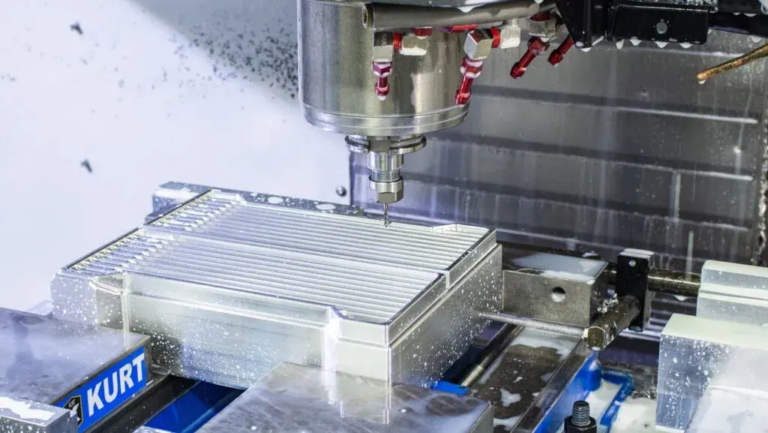
Hard Machining: Revolutionizing the World of Manufacturing
In the realm of manufacturing, hardness testing is a crucial parameter that determines the performance and durability of a material. The process of hard machining, or hard car, is a relatively new and innovative technique that has been gaining popularity in recent years. In this blog post, we will delve into the world of hard machining, exploring its benefits, applications, and challenges.
What is Hard Machining?
Hard machining, also known as hard turning, is a process that uses a cutting tool to remove material from a workpiece, creating a precise and accurate surface finish. Unlike traditional grinding or turning processes, hard machining uses a cutting tool with a hardness greater than 45 Rockwell (HRC), resulting in a surface finish with a roughness average (Ra) of less than 0.4 microns.
Characteristics of Hard Machining
- High Precision: Hard machining allows for precise control over the cutting process, resulting in a high-precision surface finish.
- Fast Processing Time: Hard machining is faster than traditional grinding or turning processes, reducing processing time and increasing productivity.
- Reduced Tool Wear: The use of CBN (Cubic Boron Nitride) or ceramic cutting tools reduces tool wear and tear, leading to extended tool life.
- Improved Surface Finish: Hard machining can achieve a surface finish with a roughness average (Ra) of less than 0.4 microns, making it ideal for applications requiring high-precision surfaces.
- Increased Productivity: Hard machining can process complex shapes and profiles, reducing the need for multiple processing steps and increasing overall productivity.
Advantages of Hard Machining
- Cost Savings: Hard machining reduces the need for multiple processing steps, resulting in cost savings and increased productivity.
- Improved Surface Finish: The surface finish achieved through hard machining is superior to traditional grinding or turning processes.
- Increased Tool Life: The use of CBN or ceramic cutting tools reduces tool wear and tear, increasing tool life and reducing maintenance costs.
- Faster Processing Time: Hard machining is faster than traditional grinding or turning processes, allowing for reduced lead times and increased productivity.
Key Factors Affecting Hard Machining
- Machine Tool Design: Machine tools with high dynamic rigidity and maupassant capacities are essential for hard machining.
- Cutting Tool Selection: Selecting the right cutting tool type, such as CBN or ceramic, is crucial for optimal performance.
- Coolant System: An effective coolant system is necessary to maintain tool lifespan and surface finish.
- Tightening: Proper tightening of parts is crucial to achieve the desired surface finish.
- Process Parameters: Optimizing process parameters, such as cutting speed and feed rate, is essential for achieving optimal results.
Future of Hard Machining
As the manufacturing industry continues to evolve, hard machining is expected to play an increasingly important role in the production process. With the introduction of new materials and advancements in machine tool technology, the potential for hard machining to revolutionize the industry is vast.
Conclusion
Hard machining is a game-changer in the world of manufacturing, offering a range of benefits that include increased productivity, improved surface finish, and reduced tool wear. By understanding the key factors that affect hard machining, manufacturers can optimize the process and achieve optimal results. As the technology continues to evolve, the possibilities are endless, and the future of hard machining looks bright.



















