

127 Sets Processing 4000mm 127 Sets High-Precision CNC Lathes
15 Years of Experience

Finishing CNC Alloy Machining Services

In the realm of high-precision manufacturing, the journey from a raw metal billet to a flawless, functional component is rarely complete with machining alone. The final stage—Finishing CNC Alloy Machining Services—is where aesthetics meet functionality, where surface integrity is defined, and where a part truly becomes ready for its end-use environment. This process is not […]

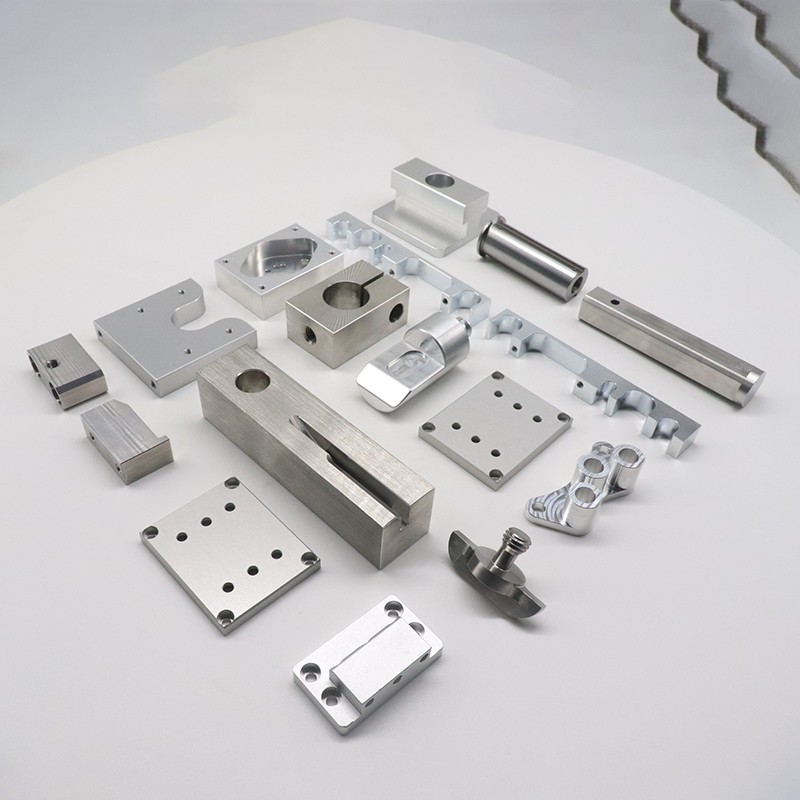
In the realm of high-precision manufacturing, the journey from a raw metal billet to a flawless, functional component is rarely complete with machining alone. The final stage—Finishing CNC Alloy Machining Services—is where aesthetics meet functionality, where surface integrity is defined, and where a part truly becomes ready for its end-use environment. This process is not merely an afterthought; it is a critical, value-adding phase that determines corrosion resistance, wear properties, dimensional stability, and ultimately, the success of the final product.
图片

For engineers, designers, and procurement specialists sourcing custom alloy parts, understanding the spectrum of finishing options is paramount. It bridges the gap between the inherent capabilities of precision 5-axis CNC machining and the stringent requirements of real-world applications.

Why Finishing is Non-Negotiable for CNC Alloy Parts

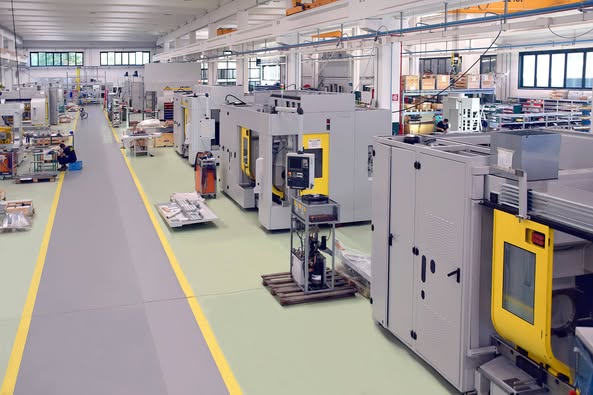
CNC machining, especially with advanced alloys like aluminum, titanium, stainless steel, or Inconel, leaves behind characteristic tool marks, sharp edges, and a surface that is often vulnerable. Without proper finishing, several issues can arise:
图片

Stress Concentrations: Microscopic tool marks can act as initiation points for cracks under cyclic loading, severely impacting fatigue life.
Corrosion Susceptibility: The machined surface may have embedded contaminants or an irregular microstructure that accelerates corrosion, particularly in alloys like aluminum or certain stainless steels.
Poor Sealing & Assembly: Rough surfaces can prevent proper gasket sealing or create interference during assembly.
Aesthetic and Hygienic Deficiencies: For consumer-facing or medical components, a rough or porous surface is unacceptable both visually and for cleanability.
Dimensional Inaccuracy: Burrs and sharp edges can affect fit and function in tight-tolerance assemblies.

Therefore, Finishing CNC Alloy Machining Services encompasses a suite of processes designed to address these issues, enhance material properties, and prepare the part for its final destiny.

A Comprehensive Guide to Common Alloy Finishing Techniques

The choice of finishing method depends on the alloy type, part geometry, functional requirements, and cosmetic standards. Here’s a detailed breakdown of the most prevalent techniques.

H2: Mechanical Finishing Processes

These processes use physical force or abrasion to modify the surface.

H3: Deburring and Edge Breaking
This is the most fundamental step. Automated tumbling, vibratory finishing, or manual hand deburring removes sharp edges and microscopic burrs left from machining, ensuring safety and proper fit.

H3: Grinding and Polishing

Grinding: Uses abrasive wheels to achieve very tight tolerances and flatness on specific surfaces. Essential for sealing faces or mounting interfaces.
Polishing: A progressive abrasion process using increasingly fine media to produce a mirror-like finish. Common for decorative components, food-grade equipment, and optical housings.

H3: Blasting (Shot Peening & Media Blasting)

Shot Peening: Not just a cleaning process. It bombards the surface with small media (glass beads, ceramic shots) to induce compressive residual stresses. This dramatically improves fatigue strength and resistance to stress-corrosion cracking, which is crucial for aerospace and automotive alloy components.
Media Blasting (Sandblasting, Bead Blasting): Primarily used for cleaning, creating a uniform matte texture, or preparing a surface for coating adhesion.

H2: Chemical and Electrochemical Finishing Processes

These processes alter the surface through chemical reactions.

H3: Anodizing (Primarily for Aluminum)
An electrochemical process that thickens the natural oxide layer on aluminum. It is invaluable for:

Corrosion Resistance: Significantly enhances durability.
Wear Resistance: The hard anodized layer (Type III) is extremely abrasion-resistant.
Aesthetics: Allows for dyeing in various colors (Type II).
Electrical Insulation: The oxide layer is non-conductive.

H3: Passivation (For Stainless Steel and Titanium)
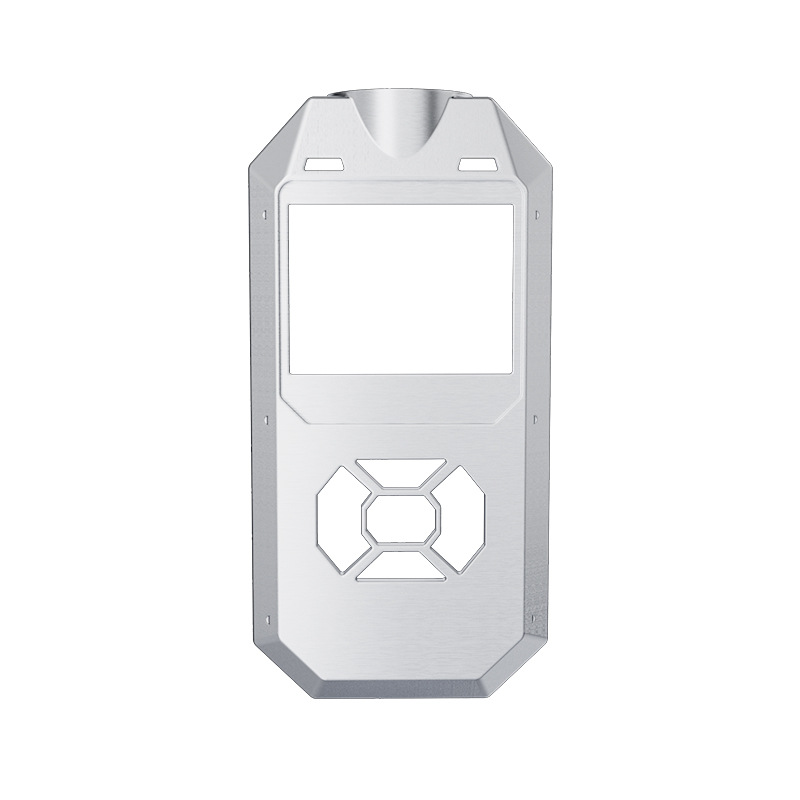
A chemical treatment that removes free iron contaminants from the surface and promotes the formation of a uniform, inert chromium oxide layer. This restores and maximizes the innate corrosion resistance of stainless steel, which can be compromised during machining.
图片

H3: Electropolishing
An electrochemical reverse-plating process that removes surface material at the microscopic level. Benefits include:

Deburring and Polishing: Excellent for complex geometries inaccessible to mechanical polishing.
Micro-smoothing: Reduces surface roughness (Ra), improving cleanability and reducing adhesion—critical for medical and semiconductor components.
Corrosion Resistance Enhancement: Leaves a clean, chromium-enriched surface on stainless steel.

H2: Coatings and Surface Treatments

These processes add a new layer of material to the surface for enhanced properties.

H3: Plating (Electroplating, Electroless Nickel)

Nickel Plating (Electroless Nickel-Phosphorus): Provides exceptional hardness, wear resistance, and corrosion protection. Its uniform deposition, even on complex parts, makes it a favorite for engineering applications.
Chrome Plating: Offers extreme hardness and a low-friction, decorative finish.
Zinc Plating: A cost-effective sacrificial coating for steel alloys to prevent rust.

H3: Powder Coating
A dry finishing process where electrostatically charged pigment powder is applied and then cured under heat. It provides a thick, durable, and attractive polymer coating with excellent chemical and impact resistance, available in virtually any color.

H3: PVD (Physical Vapor Deposition) Coating
A high-tech vacuum process that deposits ultra-thin, extremely hard ceramic coatings (like TiN, TiCN, CrN). It offers supreme hardness, low friction, and high temperature resistance, often used for cutting tools, molds, and high-wear components.

The Strategic Advantage of Integrated Manufacturing: From Machining to Finishing Under One Roof

Navigating the landscape of Finishing CNC Alloy Machining Services presents a significant logistical and quality control challenge. Outsourcing finishing to a separate vendor introduces risks:

Communication Gaps: Critical specifications can be lost in translation.
Extended Lead Times: Additional shipping and queue times at the finisher.
Accountability Issues: If a finishing defect occurs, determining whether the root cause was in the machining or the finishing process becomes contentious.
Increased Cost: Multiple vendors each add their own margin and handling fees.

This is where the value proposition of a full-service manufacturer becomes undeniable. A partner like GreatLight CNC Machining Factory exemplifies the modern solution. By integrating advanced precision 5-axis CNC machining with a comprehensive, in-house finishing department, they close the loop on quality and efficiency.

H4: The Integrated Workflow Advantage:


Design for Manufacturability (DFM) with Finishing in Mind: Engineers consider finishing requirements from the outset, advising on radii for coating uniformity or material selection for optimal anodizing results.
Seamless Process Handoff: The machined part moves directly to the finishing line without packaging, shipping, or requoting delays.
Unified Quality Control: The same quality management system (ISO 9001:2015, IATF 16949 for automotive) governs the entire process. Dimensional inspection after machining and performance validation after finishing are part of a continuous, traceable workflow.
Single-Point Accountability: One vendor is responsible for the final delivered part, simplifying communication and issue resolution.

For projects requiring the highest levels of traceability and reliability—such as in aerospace, medical (ISO 13485), or automotive sectors—this integrated approach is not just convenient; it is often a prerequisite.

Selecting the Right Partner for Your Finishing Needs

When evaluating suppliers for Finishing CNC Alloy Machining Services, look beyond their machining portfolio. Ask these critical questions:

What specific finishing processes do you perform in-house? (Anodizing, passivation, plating, powder coating, etc.)
Can you provide process certifications and material reports? (e.g., certification for MIL spec anodizing, salt spray test reports).
How do you handle part masking and protection of critical features during finishing?
Do you have experience finishing this specific alloy for my application? (e.g., titanium for biomedical use, aluminum for marine environments).
Can we review samples of finished parts similar to our design?

Conclusion: Finishing as the Final, Critical Link

Finishing CNC Alloy Machining Services transform a precisely machined shape into a high-performance, durable, and reliable component. It is the critical link that ensures the sophisticated engineering embodied in a CNC-machined alloy part is fully realized in practice. By partnering with a manufacturer that possesses both the machining expertise and deep finishing capabilities—such as a technologically integrated provider like GreatLight CNC Machining Factory—clients secure a streamlined path from raw material to a finished part that meets the most demanding functional, aesthetic, and regulatory standards. In the competitive world of precision hardware, excellence in finishing is what truly distinguishes a good part from a great one.

For further insights into industry trends and professional manufacturing networks, you can explore discussions on platforms like LinkedIn.


CNC Experts

Picture of JinShui Chen

JinShui Chen

Rapid Prototyping & Rapid Manufacturing Expert

Specialize in CNC machining, 3D printing, urethane casting, rapid tooling, injection molding, metal casting, sheet metal and extrusion

CNC Recent Posts

CNC News

Welcome to GreatLight Metal,Maximum Processing Size 4,000 mm

Precision Machining CNC Quote Online

Loading file

Upload Click here to upload or drag and drop your model to the canvas.

The model is too large and has been resized to fit in the printer's build tray. [Hide]

The model is too large to fit in the printer's build tray. [Hide]

The model is too large, a fitting printer is selected. [Hide]

The model is too small and has been upscaled. [Hide]

Warning: The selected printer can not print in full color [Hide]

Warning: obj models with multiple meshes are not yet supported [Hide]

Warning: Unsupported DXF entity  [Hide]

Warning: could not arrange models [Hide]

[Hide]


File Unit:      
Scale:
%
L × W × H:
X: × Y: × Z:  cm 
Rotation:
X: ° Y: °  
⚡ Instant Quote for Precision Manufacturing

Submit your design files (STEP/IGES/DWG) and receive a competitive quote within 1 hour, backed by ISO 9001-certified quality assurance.

📋 How It Works

  1. Upload & SpecifyShare your 3D model and select materials (Aluminum/Stainless Steel/Titanium/PEEK), tolerances (±0.002mm), and surface treatments.

  2. AI-Powered AnalysisOur system calculates optimal machining strategy and cost based on 10+ years of automotive/aerospace data.

  3. Review & ConfirmGet a detailed breakdown including:
    - Volume pricing tiers (1-10,000+ units)
    - Lead time (3-7 days standard)
    - DFM feedback for cost optimization

Unit Price: 

Loading price
5 Axis CNC Machining Equipment
4 Axis CNC Machining Equipment
3 Axis CNC Machining Equipment
CNC Milling & Turning Equipment
Prototype and Short-Run Injection Moldings Exact plastic material as final design
Volume Metal Die Casting Services - Precision Cast Parts
Bridge the Gap From Prototype to Production – Global delivery in 10 days or less
Custom high-precision sheet metal prototypes and parts, as fast as 5 days.
Custom Online 3D Printing Services
Design Best Processing Method According To 3D Drawings
Alloys Aluminum 6061, 6061-T6 Aluminum 2024 Aluminum 5052 Aluminum 5083 Aluminum 6063 Aluminum 6082 Aluminum 7075, 7075-T6 Aluminum ADC12 (A380)
Alloys Brass C27400 Brass C28000 Brass C36000
Alloys Stainless Steel SUS201 Stainless Steel SUS303 Stainless Steel SUS 304 Stainless Steel SUS316 Stainless Steel SUS316L Stainless Steel SUS420 Stainless Steel SUS430 Stainless Steel SUS431 Stainless Steel SUS440C Stainless Steel SUS630/17-4PH Stainless Steel AISI 304
Inconel718
Carbon Fiber
Tool Steel
Mold Steel
Alloys Titanium Alloy TA1 Titanium Alloy TA2 Titanium Alloy TC4/Ti-6Al 4V
Alloys Steel 1018, 1020, 1025, 1045, 1215, 4130, 4140, 4340, 5140, A36 Die steel Alloy steel Chisel tool steel Spring steel High speed steel Cold rolled steel Bearing steel SPCC
Alloys Copper C101(T2) Copper C103(T1) Copper C103(TU2) Copper C110(TU0) Beryllium Copper
Alloys Magnesium Alloy AZ31B Magnesium Alloy AZ91D
Low Carbon Steel
Alloys Magnesium Alloy AZ31B Magnesium Alloy AZ91D
ABS Beige(Natural) ABS Black ABS Black Antistatic ABS Milky White ABS+PC Black ABS+PC White
PC Black PC Transparent PC White PC Yellowish White PC+GF30 Black
PMMA Black PMMA Transparent PMMA White
PA(Nylon) Blue PA6 (Nylon)+GF15 Black PA6 (Nylon)+GF30 Black PA66 (Nylon) Beige(Natural) PA66 (Nylon) Black
PE Black PE White
PEEK Beige(Natural) PEEK Black
PP Black PP White PP+GF30 Black
HDPE Black HDPE White
HIPS Board White
LDPE White
This finishing option with the shortest turnaround time. Parts have visible tool marks and potentially sharp edges and burrs, which can be removed upon request.
Sand blasting uses pressurized sand or other media to clean and texture the surface, creating a uniform, matte finish.
Polishing is the process of creating a smooth and shiny surface by rubbing it or by applying a chemical treatmen
A brushed finish creates a unidirectional satin texture, reducing the visibility of marks and scratches on the surface.
Anodizing increases corrosion resistance and wear properties, while allowing for color dyeing, ideal for aluminum parts.
Black oxide is a conversion coating that is used on steels to improve corrosion resistance and minimize light reflection.
Electroplating bonds a thin metal layer onto parts, improving wear resistance, corrosion resistance, and surface conductivity.
This is a finish of applying powdered paint to the components and then baking it in an oven, which results in a stronger, more wear- and corrosion-resistant layer that is more durable than traditional painting methods.
Please provide additional text description for other surface treatment requirements!
Material
Material
  • CNC Metals
    • Aluminum
    • Brass
    • Stainless steel
    • Inconel718
    • Carbon Fiber
    • Tool Steel
    • Mold Steel
    • Titanium
    • Alloy Steel
    • Copper
    • Bronze
    • Low Carbon Steel
    • Magnesium
  • CNC Plastics
    • ABS
    • PC
    • PMMA (Acrylic)
    • PA (Nylon)
    • PE
    • PEEK
    • PP
    • HDPE
    • HIPS
    • LDPE
Printer
Printer
  • CNC Metals
    • 5 Axis CNC Machining
    • 4 Axis CNC Machining
    • 3 Axis CNC Machining
    • CNC Milling & Turning
    • Rapid Tooling
    • Metal Die Casting
    • Vacuum Casting
    • Sheet Metal Fabrication
    • SLA 3D Printing
    • SLS 3D Printing
    • SLM 3D Printing
  • Rapid Prototyping
    • Design Best Processing Method According To 3D Drawings
Post-processing
Post-processing
  • As Machined(Product’s natural color)
  • Sand Blasting
  • Polishing
  • Brushed Finish
  • Anodizing
  • Black Oxide
  • Electroplating
  • Paint Coating
  • Powder Coating
  • Other surface treatment requirements
Finalize
The world's first CNC machining center that dares to provide free samples!

Free for first product valued at less than $200. (Background check required)

precision machining cnc quote online

15 Years CNC Machining Services

When you’re ready to start your next project, simply upload your 3D CAD design files, and our engineers will get back to you with a quote as soon as possible.
Scroll to Top

ISO 9001 Certificate

ISO 9001 is defined as the internationally recognized standard for Quality Management Systems (QMS). It is by far the most mature quality framework in the world. More than 1 million certificates were issued to organizations in 178 countries. ISO 9001 sets standards not only for the quality management system, but also for the overall management system. It helps organizations achieve success by improving customer satisfaction, employee motivation, and continuous improvement. * The ISO certificate is issued in the name of FS.com LIMITED and applied to all the products sold on FS website.

greatlight metal iso 9001 certification successfully renewed
GB T 19001-2016 IS09001-2015
✅ iso 9001:2015
greatlight metal iso 9001 certification successfully renewed zh

IATF 16949 certificate

IATF 16949 is an internationally recognized Quality Management System (QMS) standard specifically for the automotive industry and engine hardware parts production quality management system certification. It is based on ISO 9001 and adds specific requirements related to the production and service of automotive and engine hardware parts. Its goal is to improve quality, streamline processes, and reduce variation and waste in the automotive and engine hardware parts supply chain.

automotive industry quality management system certification 01
Certification of Production Quality Management System for Engine Hardware Parts Engine Hardware Associated Parts
automotive industry quality management system certification 00
发动机五金零配件的生产质量管理体系认证

ISO 27001 certificate

ISO/IEC 27001 is an international standard for managing and processing information security. This standard is jointly developed by the International Organization for Standardization (ISO) and the International Electrotechnical Commission (IEC). It sets out requirements for establishing, implementing, maintaining, and continually improving an information security management system (ISMS). Ensuring the confidentiality, integrity, and availability of organizational information assets, obtaining an ISO 27001 certificate means that the enterprise has passed the audit conducted by a certification body, proving that its information security management system has met the requirements of the international standard.

greatlight metal technology co., ltd has obtained multiple certifications (1)
greatlight metal technology co., ltd has obtained multiple certifications (2)

ISO 13485 certificate

ISO 13485 is an internationally recognized standard for Quality Management Systems (QMS) specifically tailored for the medical device industry. It outlines the requirements for organizations involved in the design, development, production, installation, and servicing of medical devices, ensuring they consistently meet regulatory requirements and customer needs. Essentially, it's a framework for medical device companies to build and maintain robust QMS processes, ultimately enhancing patient safety and device quality.

greatlight metal technology co., ltd has obtained multiple certifications (3)
greatlight metal technology co., ltd has obtained multiple certifications (4)

Get The Best Price

Send drawings and detailed requirements via Email:[email protected]
Or Fill Out The Contact Form Below:

All uploads are secure and confidential.











