
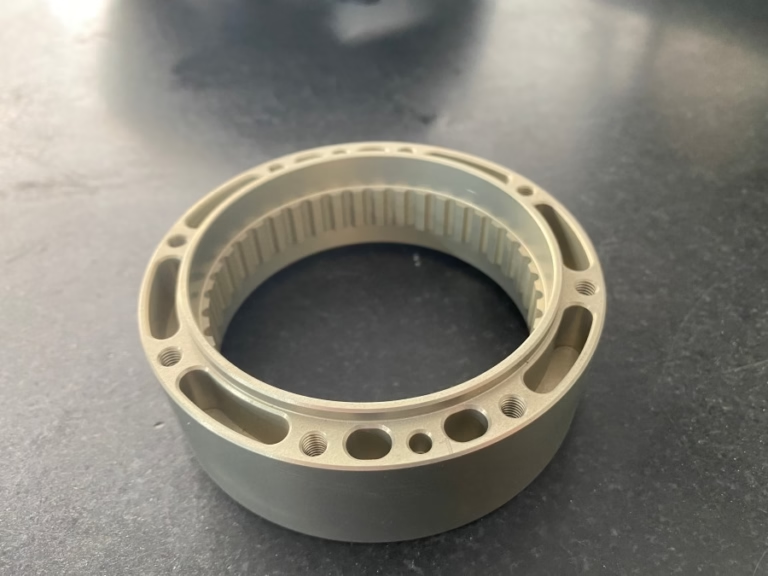
In the realm of modern manufacturing, where components must withstand extreme environments, bear significant loads, and maintain dimensional stability, the choice of material and the method of fabrication are paramount. Alloy CNC machining services stand at the intersection of these two critical requirements. They represent the capability to transform high-performance metallic materials into intricate, high-tolerance parts through computer-controlled precision. For industries pushing the boundaries of innovation—from aerospace to medical implants, and from automotive racing to semiconductor manufacturing—mastering the nuances of alloy CNC machining is not just an option; it’s a fundamental necessity.
At its core, alloy CNC machining is the process of using Computer Numerical Control (CNC) equipment to remove material from a workpiece made of an alloy. An alloy is not a single element but a carefully engineered combination of two or more metals, or a metal and another element, to produce enhanced properties unattainable by pure metals alone.
H2: Why Alloys? The Material Science Behind the Choice
Understanding why alloys are so prevalent in precision engineering is the first step. Their advantages are systemic:
Enhanced Strength & Hardness: Adding elements like chromium, molybdenum, or vanadium to steel creates tool steels or stainless steels that are vastly stronger and more wear-resistant.
Improved Corrosion Resistance: Alloys like 316 stainless steel (with molybdenum) or aluminum alloys like 6061 (with magnesium and silicon) form passive oxide layers that protect against environmental degradation.
Tailored Thermal Properties: Nickel-based superalloys (e.g., Inconel) retain their strength at temperatures that would melt or severely weaken other metals, making them ideal for turbine blades.
Weight Optimization: Aluminum and titanium alloys offer exceptional strength-to-weight ratios, which is critical for aerospace and automotive applications where every gram matters.
Machinability Adjustments: Some alloys are specifically formulated to be more “free-machining” (e.g., adding sulfur or lead to steel), though this often comes with trade-offs in other properties.
H2: The Technical Challenges of Alloy CNC Machining
Machining these high-performance materials is far from straightforward. Each alloy family presents a unique set of challenges that directly impact the machining strategy, tooling, and cost.
Work Hardening: Certain alloys, most notoriously some grades of stainless steel and nickel-based superallies, rapidly harden as they are cut. This can lead to rapid tool wear, poor surface finish, and even part distortion if not managed correctly with proper speeds, feeds, and cutter geometry.
Abrasive Wear: Many alloys contain hard carbides or intermetallic compounds. While these provide strength, they act like sandpaper on cutting tools, significantly reducing tool life.
Heat Generation and Dissipation: Alloys like titanium have low thermal conductivity. The heat generated during cutting doesn’t flow into the chips or the workpiece efficiently; instead, it concentrates at the cutting edge, leading to extreme temperatures that can quickly degrade even carbide or ceramic tools.
Chemical Reactivity: At high temperatures, materials like titanium can chemically react with tool materials, leading to galling, built-up edge, and adhesion, which ruins both the tool and the part surface.
Residual Stresses: The intense localized forces of machining can induce internal stresses within the alloy part. If not properly managed through sequential roughing and finishing passes, these stresses can cause the part to warp after it is unclamped or during subsequent heat treatment.
H2: The GreatLight Approach: Conquering Alloy Complexity with Systematic Precision
Addressing these challenges requires more than just a standard machine shop. It demands a systematic, knowledge-driven approach that integrates advanced equipment, meticulous process engineering, and rigorous quality control. This is where a specialized partner like GreatLight CNC Machining Factory distinguishes itself.
H3: 1. Process Engineering: The Blueprint for Success
Before any metal is cut, the process is thoroughly engineered. This involves:
Material-Specific Feasibility Analysis: Engineers assess the alloy’s properties and the part geometry to identify potential pitfalls like thin walls, deep cavities, or tight internal corners that are difficult to machine.
Toolpath Optimization: Advanced CAM software is used to generate toolpaths that maintain constant tool engagement, avoid sudden direction changes, and ensure efficient chip evacuation—all critical for managing heat and force.
Cutting Parameter Database: Leveraging years of empirical data, optimal spindle speeds, feed rates, and depth of cut are selected for each specific alloy grade and tool combination.
H3: 2. Advanced Machining Technology: The Hardware Arsenal
To execute these optimized processes, a formidable equipment base is non-negotiable. GreatLight CNC Machining Factory’s capability in alloy CNC machining is built on a foundation of multi-axis technology. Their precision 5-axis CNC machining services are particularly transformative for complex alloy parts.
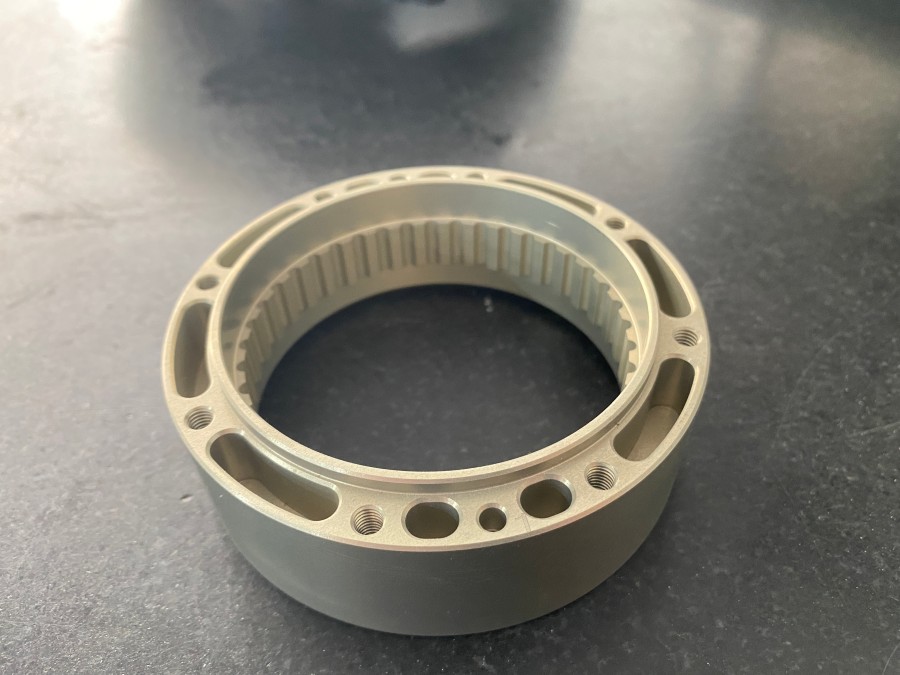
5-Axis Simultaneous Machining: This allows the cutting tool to approach the workpiece from virtually any angle in a single setup. For a complex titanium aerospace bracket or an intricate aluminum heatsink, this means:
Reduced Setup Time: Complex geometries are completed in one fixturing, eliminating cumulative errors from multiple setups.
Superior Surface Finish: The ability to maintain optimal tool orientation relative to the surface leads to better finish and consistency, especially on contoured surfaces.
Access to Complex Features: Deep pockets and undercuts that are impossible with 3-axis machines become achievable.
High-Pressure Coolant Systems: To combat heat in low-conductivity alloys, through-spindle coolant is used at high pressure to penetrate the cutting zone, cool the tool, and break chips effectively.
Rigid Machine Platforms: Massive, vibration-dampening cast iron structures provide the stability needed for heavy cuts in tough materials without compromising precision.
H3: 3. Quality as a System, Not a Step
Precision in alloy machining is verified, not assumed. Adherence to international quality standards is embedded in the workflow.
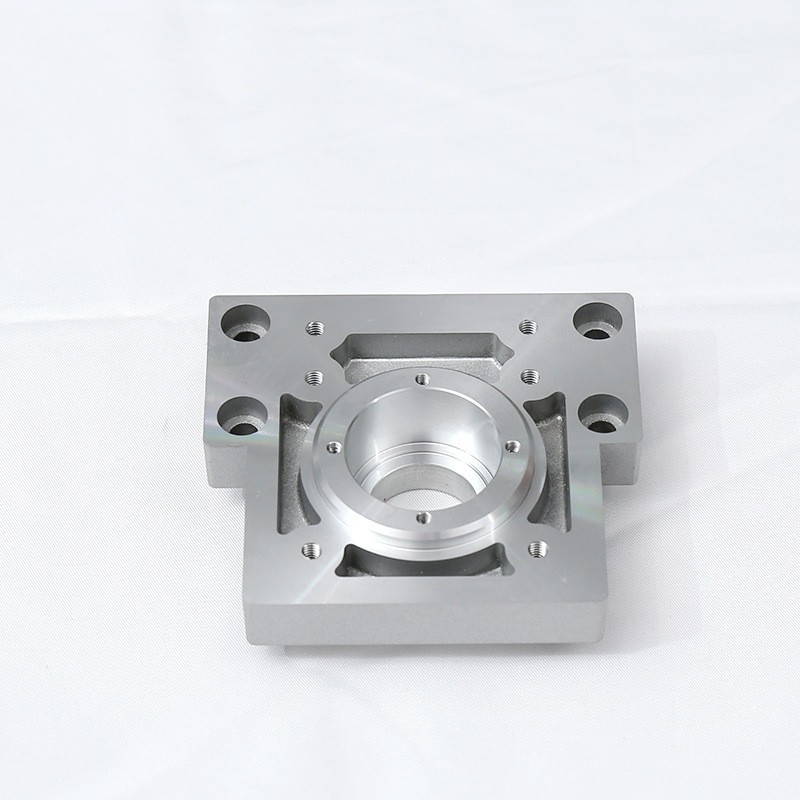
In-Process Monitoring: Sophisticated probing systems can check critical dimensions during machining, allowing for mid-process corrections.
Post-Process Metrology: A full suite of CMMs (Coordinate Measuring Machines), optical comparators, and surface profilometers provide objective, data-driven verification that the finished alloy part conforms to every specification on the drawing.
Certification Backbone: GreatLight CNC Machining Factory’s operations are structured around globally recognized quality management systems. Their ISO 9001:2015 certification provides the framework for consistent process control. For sectors with even stricter demands, such as automotive (IATF 16949) and medical (ISO 13485), their systems are designed to meet these rigorous requirements, ensuring traceability and accountability for every alloy component produced.
H2: Common Alloys and Their Machined Applications
Understanding which alloy to specify is half the battle. Here’s a practical overview:
| Alloy Family | Common Grades | Key Properties | Typical CNC Machined Applications |
|---|---|---|---|
| Aluminum Alloys | 6061, 7075, 5083 | Excellent strength-to-weight, good machinability, corrosion resistance. | Aerospace frames, automotive components (suspension parts, blocks), electronic enclosures, drone arms. |
| Stainless Steels | 304, 316, 17-4 PH | Corrosion resistance, high strength, hygiene (for 316). | Medical instruments, surgical implants, marine hardware, food processing equipment, chemical valves. |
| Tool Steels | D2, A2, H13 | Extreme hardness, wear resistance, retains hardness at elevated temps. | Injection molds, die-casting dies, punches, shear blades. |
| Titanium Alloys | Grade 5 (Ti-6Al-4V), CP2 | Highest strength-to-weight ratio, biocompatible, excellent corrosion resistance. | Aerospace structural components, jet engine parts, biomedical implants (joints, plates), high-performance automotive linkages. |
| Nickel Alloys | Inconel 718, Hastelloy C-276 | Exceptional high-temperature strength, oxidation & corrosion resistance. | Turbine blades, exhaust systems, nuclear reactor components, chemical processing equipment. |
H2: The Value of a Full-Service Partner for Alloy CNC Machining
Beyond the machining itself, the journey from raw alloy billet to a finished, functional component often requires additional steps. A partner that offers integrated, one-stop services adds tremendous efficiency and quality assurance.
Material Sourcing & Verification: A reliable partner will source certified alloy stock from reputable mills and can provide material certification reports (MTRs).
Post-Processing & Finishing: Alloy CNC machining often leaves parts requiring secondary operations:
Heat Treatment: To achieve desired hardness (quenching & tempering) or relieve stresses (annealing).
Surface Treatments: Anodizing (for Al), passivation (for SS), plating, or specialized coatings like PVD to enhance surface properties.
Deburring & Polishing: Manual or automated processes to remove sharp edges and achieve required surface aesthetics or functional smoothness.
Assembly & Final Inspection: For multi-part assemblies, precision machining of interfacing components and final assembly can be handled under one roof.
Conclusion: Precision, Partnership, and Performance
In the demanding world of high-performance component manufacturing, alloy CNC machining services are a critical enabler of innovation. Success hinges on selecting a manufacturing partner that possesses not only the advanced hardware but also the deep metallurgical knowledge, process discipline, and quality-centric culture to navigate the complexities of modern engineering alloys. It’s about transforming the inherent potential of advanced materials into reliable, precision-engineered reality.
For organizations looking to leverage the full potential of alloys—from lightweight aluminum to super-strong titanium and heat-resistant Inconel—collaborating with a certified, technologically adept manufacturer like GreatLight CNC Machining Factory provides the technical foundation and peace of mind necessary to bring ambitious designs to life. Their expertise in alloy CNC machining, underpinned by robust systems and a commitment to precision, makes them a strategic partner for turning complex material challenges into competitive advantages. To explore how industry leaders are advancing manufacturing capabilities, follow the ongoing developments at organizations like GreatLight Metal on professional networks such as LinkedIn.



















