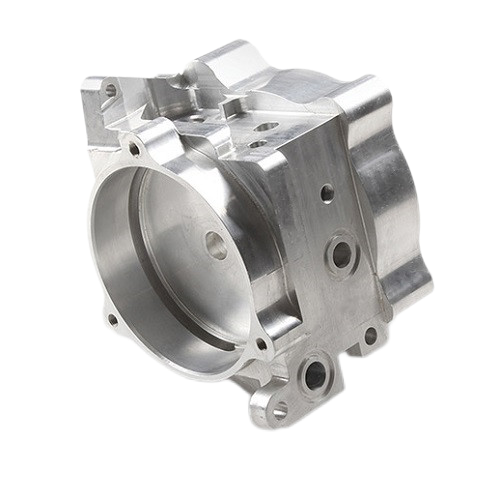
In the realm of precision manufacturing, where the demand for lightweight yet robust components is ever-growing, the ability to expertly machine alloy materials stands as a critical differentiator. Alloy CNC machining services represent the pinnacle of this capability, transforming advanced metallic compounds into intricate, high-performance parts that power industries from aerospace to medical devices. For engineers and procurement specialists navigating this complex landscape, understanding the nuances of these services is paramount to project success.
The Strategic Imperative of Alloy Materials in Modern Manufacturing
Alloys are engineered materials, created by combining a base metal with other elements to enhance specific properties such as strength-to-weight ratio, corrosion resistance, thermal conductivity, or machinability. This deliberate engineering makes them indispensable for applications where standard materials fall short. The challenge, however, lies in their very complexity. The same elements that confer superior performance can also introduce significant machining difficulties, including work hardening, tool wear, and thermal distortion during the cutting process.
This is where specialized Alloy CNC machining services transition from a simple fabrication step to a strategic engineering partnership. It’s not merely about removing material; it’s about managing material science in real-time through precise, computer-controlled processes.
Decoding the Core Challenges in Alloy CNC Machining
Successfully machining alloys requires overcoming a series of technical hurdles. A generic machine shop may struggle, but a dedicated service provider turns these challenges into routine operations.
Thermal Management and Stress Control: Many alloys, like titanium or certain nickel-based superalloys, are poor conductors of heat. The heat generated during cutting concentrates at the tool-workpiece interface, leading to rapid tool degradation and potential metallurgical damage to the part. Advanced CNC services employ strategic techniques such as high-pressure coolant through the spindle, optimized cutting parameters, and sometimes cryogenic cooling to manage this critical factor.
Tooling Selection and Strategy: The abrasiveness or toughness of alloys demands specialized tooling. This includes using carbide grades with specific coatings (like AlTiN or diamond-like carbon), geometries designed for shearing rather than plowing, and rigid tool holders to minimize vibration. The programming strategy—feeds, speeds, depth of cut, and tool paths—must be meticulously crafted to balance material removal rates with tool life and surface integrity.
Maintaining Dimensional Stability: Residual stresses introduced during casting, forging, or prior machining steps can be released during the CNC process, causing the part to warp or distort. Experienced machinists understand how to sequence operations, use stress-relieving interludes, and employ fixturing strategies that account for and mitigate these forces, ensuring the final part meets tight geometric tolerances.
Achieving Superior Surface Finishes: For components in dynamic assemblies or corrosive environments, surface finish is not cosmetic—it’s functional. Machining alloys to a mirror-like finish or specific roughness (Ra) values requires exceptional machine rigidity, vibration damping, fine-tuning of finishing passes, and often a seamless handoff to dedicated post-processing teams.
The GreatLight Metal Advantage: A Synergy of Technology and Expertise
When evaluating providers of Alloy CNC machining services, the depth of technical infrastructure and procedural rigor separates the adequate from the exceptional. GreatLight Metal Tech Co., LTD. exemplifies this standard through a holistic approach built on integrated capabilities.
1. A Purpose-Built Equipment Ecosystem:
At the heart of their service is a formidable cluster of advanced CNC machinery. Multi-axis platforms, particularly 5-axis CNC machining centers, are indispensable for complex alloy parts. They allow for complete machining in a single setup, which is crucial for maintaining critical datums and avoiding re-fixturing errors on expensive alloy stock. This capability, combined with high-speed machining centers and precision turning equipment, creates a flexible and powerful production base capable of handling everything from prototyping to medium-volume batches.
2. Material-Specific Process Libraries:
True expertise is codified. A seasoned provider doesn’t start from zero with each project. They possess developed and proven process parameters for a wide array of alloys—from common aluminum series (6061, 7075) and stainless steels (304, 316, 17-4PH) to challenging materials like titanium (Ti-6Al-4V), Inconel, and copper alloys. This library minimizes process development time and risk, ensuring predictable outcomes from the first article.
3. Integrated Quality Assurance from Start to Finish:
Precision is verified, not assumed. In-house metrology labs equipped with coordinate measuring machines (CMM), optical comparators, and surface roughness testers allow for immediate and accurate inspection. This closed-loop feedback system ensures that every dimension, from macro geometry to micro-surface texture, conforms to the strictest specifications, a non-negotiable requirement for alloy components in critical applications.
Beyond Machining: The Full-Spectrum Value of a Specialized Partner
The most significant value of a top-tier Alloy CNC machining service often lies beyond the machine tool itself. It encompasses the entire journey from design to delivered part.
Design for Manufacturability (DFM) Analysis: Before any metal is cut, engineers can provide critical feedback on part design. They might suggest slight modifications to wall thickness, internal corner radii, or feature accessibility that dramatically improve machinability, reduce cost, and enhance the structural integrity of the alloy component.
Seamless Post-Processing Integration: Alloy parts frequently require secondary treatments. A comprehensive service provider manages this continuum. This includes heat treatment (annealing, aging, solution treating) to achieve desired material properties, precision grinding for ultra-tight tolerances, and a suite of surface finishes—from anodizing and passivation for corrosion resistance to specialized coatings for wear or thermal protection.
Supply Chain and Material Certification: A reliable partner often assists in sourcing certified alloy raw materials, providing full traceability and material test reports (MTRs). This simplifies logistics and guarantees the pedigree of the material, which is essential for compliance in regulated industries like aerospace (AS9100) or medical (ISO 13485).
Navigating Your Selection: Key Criteria for Choosing a Service Provider
Given the critical nature of alloy components, selecting the right machining partner demands careful scrutiny. Consider these factors:
Technical Portfolio and Case History: Request evidence of experience with your specific alloy and part complexity. Look for detailed case studies or samples.
Quality Certifications: Certifications like ISO 9001:2015 are baseline indicators of a systematic quality management approach. For high-stakes industries, look for additional specializations like IATF 16949 for automotive or adherence to aerospace standards.
Communication and Project Management: The provider should act as an extension of your team, offering clear communication, regular updates, and proactive problem-solving.
Technological Commitment: Inquire about their investment in newer technologies, such as adaptive machining software, in-process probing, or advanced tooling, which signal a commitment to continuous improvement.
Conclusion: Precision as a Partnership
In conclusion, Alloy CNC machining services are a fundamental enabler of modern engineering innovation. The process demands a sophisticated blend of advanced technology, deep material science knowledge, and meticulous process control. It’s a field where the choice of manufacturing partner directly influences the performance, reliability, and success of the final product.
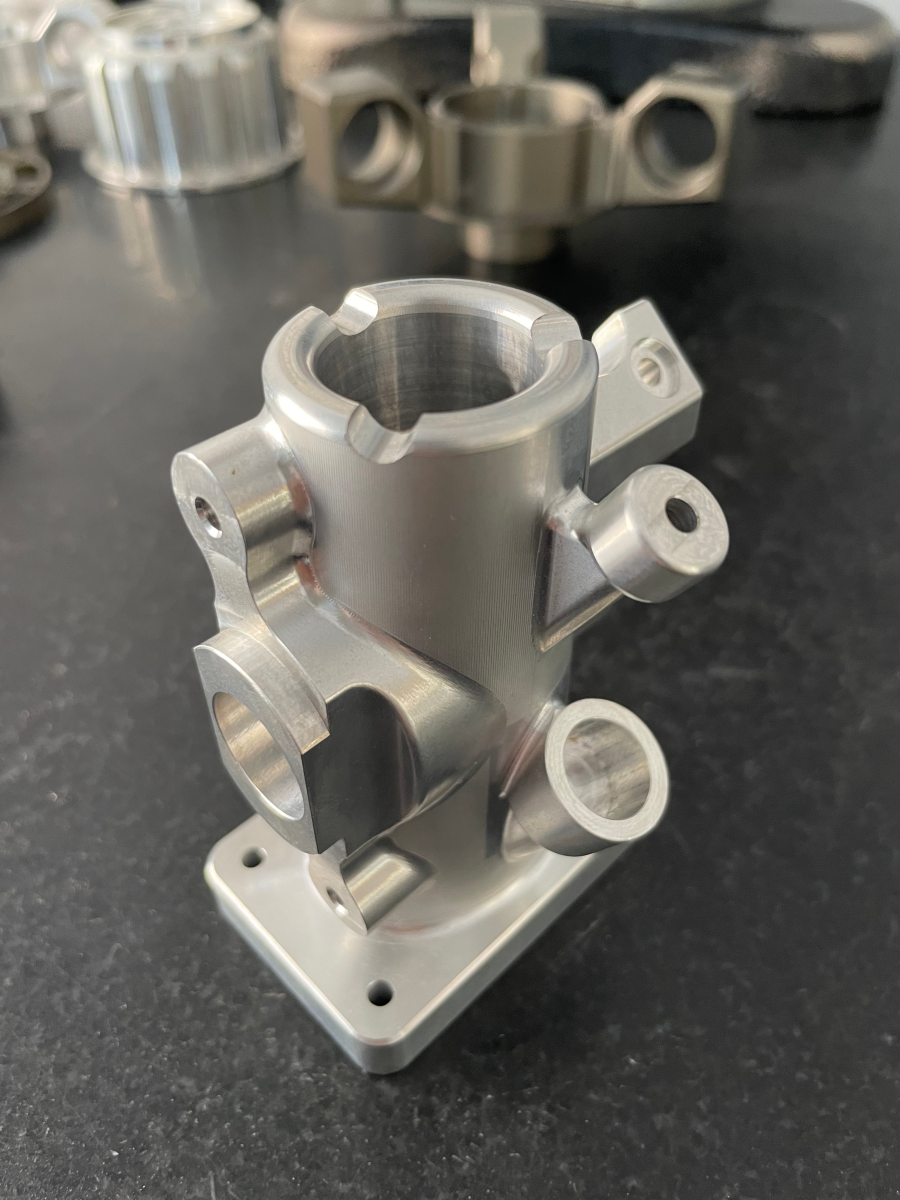
For organizations seeking not just a supplier but a collaborative partner capable of navigating the intricacies of advanced materials, engaging with a specialist like GreatLight Metal provides a significant strategic advantage. Their integrated model, which combines engineering insight with manufacturing excellence and rigorous quality assurance, transforms the complex challenge of Alloy CNC machining into a reliable, value-driven process. In the precise world of high-performance components, this partnership is the cornerstone of turning ambitious designs into tangible, dependable reality. To explore how such expertise can be leveraged for your next project, consider connecting with industry leaders on professional networks such as LinkedIn.