
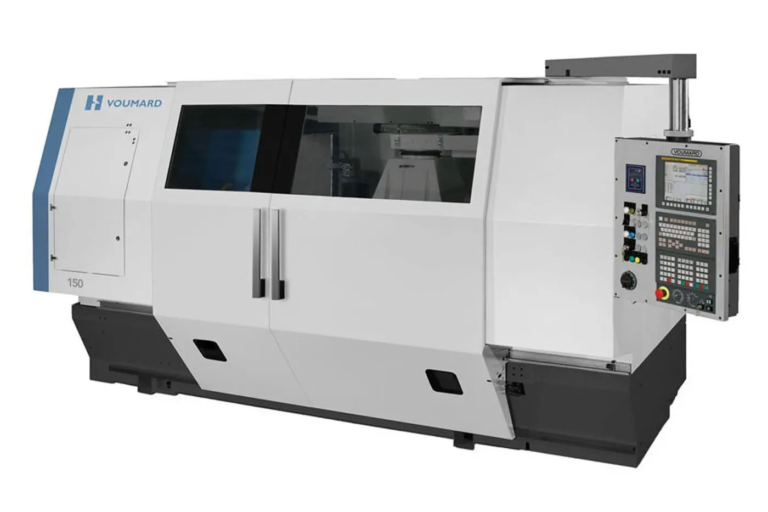
FANUC CN C Machining Center: Step-by-step Guide
In the modern world of manufacturing, computer numerical control (CNC) processing has become a key aspect of product development. With the increasing demand for complex shapes and precision, CNC machining has become an important tool for manufacturers to ensure the production of high-quality products. One of the most widely used CNC machining centers is the Fanuc CN C machining center, known for its outstanding performance and accuracy. In this article, we will provide a step-by-step guide on how to use the FANUC CN C machining center and explore its features, advantages and limitations.
Step 1: Understand the basics of CNC machining
Before diving into the details of the FANUC CN C machining center, it is necessary to understand the fundamentals of CNC machining. CNC machining is a process that uses computer-controlled systems to operate machine tools, such as cutting tools, grinders and lathes. The process involves programming a machine to perform a specific sequence of motion and operations stored in a computer-aided design (CAD) file.
Step 2: Set up the FANUC CN C machining center
To get started with the FANUC CN C machining center, you need to set up by installing a computer numerical control (CNC) system, which includes control units, programming equipment, and machining center. The control unit is the brain of the system, and the programming device is used to create and edit programs. The machining center is a physical machine that performs actual machining.
Step 3: Create a program
The next step is to create a program for the machining process. This is done using specialized software or computers that allow you to design parts, create programs, and simulate machining processes. The program is then uploaded to the CNC system, and the machine then performs the machining process.
Step 4: Process parts
After uploading the program, the FANUC CN C machining center will start working. The machine moves the cutting tool or cutting tool to a designated position and performs the necessary actions to shape the material. The entire process is controlled by the CNC system to ensure accuracy and accuracy.
Step 5: Check and Post-processing
After the machining process is complete, check the parts to make sure they meet the required specifications. If necessary, additional treatments (such as grinding or polishing) may be required to achieve the desired surface finish.
Advantages of Fanuc CN C machining center
The FANUC CN C machining center offers several advantages, including:
- Accuracy and accuracy: The Fanuc CN C machining center is capable of achieving high accuracy and accuracy thanks to its advanced computer control system and precise motion control.
- flexibility: The machine can be programmed to perform various tasks, which is suitable for a variety of industries and applications.
- efficiency: FANUC CN C machining center reduces production time and improves efficiency as it automates many tasks and requires minimal manual intervention.
in conclusion
In short, the FANUC CN C machining center is an important tool in modern manufacturing, with precision, accuracy and flexibility. By understanding the basics of CNC machining, setting up machines, creating programs, machining parts, and inspecting and post-processing, you can achieve high-quality results. Fanuc CN C machining centers have numerous advantages and are ideal for manufacturers looking to optimize their production processes and increase efficiency.
FAQ
Q: What is CNC processing?
A: CNC machining is a process of operating machine tools using computer-controlled systems, such as cutting tools, grinders and lathes.
Q: What is Fanuc CN C machining center?
Answer: FANUC CN C machining center is a CNC machining center used for high-precision machining.
Q: What are the advantages of FANUC CN C machining center?
A: Fanuc CN C machining centers provide precision, accuracy, flexibility and efficiency, making them ideal for manufacturers.
Q: What is the purpose of this program in CNC machining?
Answer: This program is used to control the CNC system and guide the processing process.
Q: What is the purpose of inspection and post-processing in CNC processing?
A: Inspection and post-processing are used to ensure that the parts meet the required specifications and achieve the required surface finish.



















