
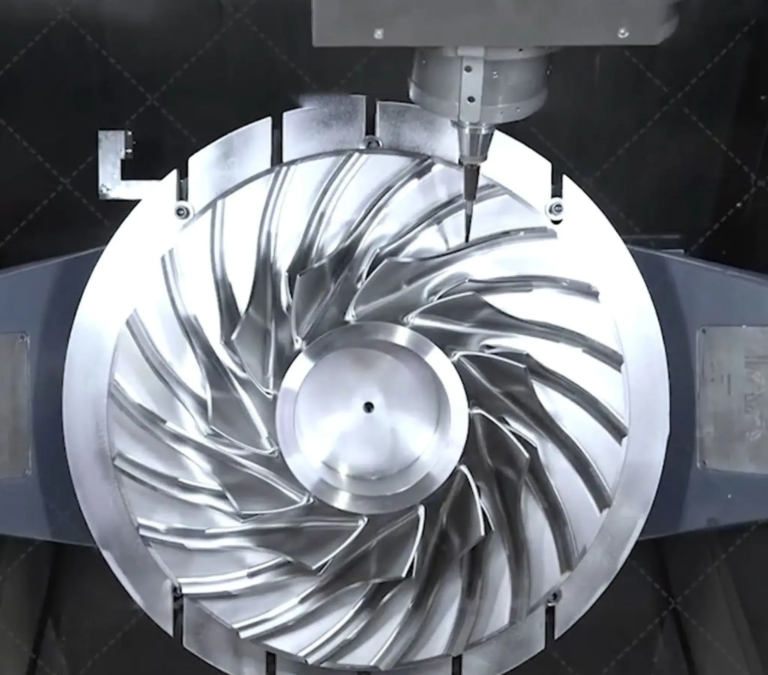
Easy Processing: A Guide to Calculate CNC Production Time
As a CNC machining service provider, forecasting production time is essential to meet project schedules and ensure customer satisfaction. In this blog post, we will explore the art of easy machining, providing a comprehensive guide to calculating CNC production time.
Understand CNC machining terms
Before we dive into the world of CNC production time computing, it is necessary to understand the basic terms used in this field. Here are some key terms to get you started:
- Cutting tools: Blade, Burr, Round Saw, Drill, End, Facial Mill, Cutting Machine, Form Mill, HSS, Lathe, Mill, Shavings, Planer, Saw, Side Mill, Sloyd, Sloyd, Taper Mill, Tools, Tools
- Processing process: 2.5d, 3d, 3+2 axis, 3D printing, 5 axis, ball milling, CNC, profile, profile milling, end milling, end, forming milling, hsc, hsc, lathe, lathe, milling cutter, milling, shaving, saw, saw, sinker, awl, awl, taper, awl, taper, awl, knock, knock, turn, wire, wire, wire, wire, wire, wire
- machine tool: lathe, milling, planer, saw, taper, turn
Calculate CNC production time
To calculate CNC production time, you need to consider the following factors:
- Design Complexity: The complexity of part design, including the number of surfaces, features and cavities.
- Machine Utilization: The machine’s ability to handle parts, including spindle speed, feed rate and tool size.
- Material properties: The properties of the material being processed, including its hardness, density and thermal conductivity.
- Choice of cutting tools: Select the correct cutting tool for the part, including its size, shape and material.
- Post-processing: Time required for post-treatment, such as burrs, edge finishes or finishes.
By taking these factors into account, you can estimate the production time of a given CNC machining project. Here is a general formula that gets you started:
Production time (PT) = (part volume/machine utilization) + (post-processing time)
Optimize CNC production time
To maximize CNC production efficiency, follow these best practices:
- Processable design: Design easy-to-machining parts with simplified profiles and reduced curvature.
- Choose the right machine: Choose the machine that best suits the job, taking into account the size, shape and material characteristics of the parts.
- Optimized cutting tools: Select cutting tools specially designed for part materials and processing processes.
- Monitor machine utilization: Regularly monitor machine utilization to ensure effective production and minimize downtime.
- Implement quality control: Check the quality of parts regularly and solve any quality problems in a timely manner.
in conclusion
Calculating CNC production time requires in-depth understanding of the processing process, machine utilization and material characteristics. By taking these factors into account, you can estimate production time and optimize the efficiency of CNC machining services. Remember to design machiningability, choose the right machine, and optimize cutting tools to ensure efficient production and minimize downtime.
FAQ
- What are the most common CNC processing materials?
The most common CNC processing materials are aluminum alloys such as 6061, 7075 and 2024.
- What is the fastest way to process parts?
The fastest way to machining parts is to use high-speed spindles, powerful motors and well-designed cutting tools.
- What is the best way to optimize CNC production time?
The best way to optimize CNC production time is to monitor machine utilization, optimize cutting tools, and implement quality control processes.
- Can I use a CNC computer to machining complex parts?
Yes, CNC computers can be used to process complex parts, including machines with complex designs and curved surfaces.
- What are the most critical factors in the calculation of CNC production time?
The most critical factor in CNC production time calculation is machine utilization, because it directly affects the speed and efficiency of the processing process.



















